
Metal Finishing Services
Metal finishing is the final manufacturing stage that alters the exterior of a metal part to improve corrosion resistance, wear performance, electrical conductivity, solderability, hardness, and aesthetic appearance. Our shop delivers metal surface treatment and metal surface finishing for oil & gas, aerospace, medical, automotive, semiconductor, and consumer-electronics customers, with controlled tolerances down to ±2 µm on plated thickness and Ra values as low as 0.05 µm on polished surfaces.
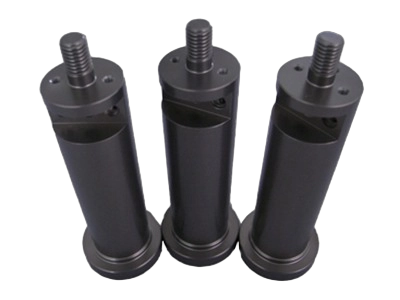
Metal Finishing Processes We Provide
Anodizing (Type I, II, III)
Electrochemical conversion of aluminum into a porous Al₂O₃ layer. Type III hardcoat reaches 50–70 HRC surface hardness with coating thickness 25–75 µm. Suitable for aerospace housings, optical mounts, and friction components.
Electroplating
Deposition of nickel, gold, silver, copper, tin, chrome, or zinc through electrolytic baths. Typical thickness range 2–50 µm. Electroless nickel plating (ENP) provides uniform coverage on complex geometries with phosphorus content tunable from 3% to 13% for hardness or corrosion priority.
Powder Coating
Electrostatically applied thermoset polymer (epoxy, polyester, hybrid) cured at 180–200 °C. Coating thickness 60–120 µm. Salt-spray endurance ≥1,000 hours per ASTM B117 on properly pretreated steel.
Passivation
Nitric or citric acid passivation of stainless steel per ASTM A967 / AMS 2700. Removes free iron, rebuilds chromium-rich oxide, extends service life by 3–5× in chloride environments.
Electropolishing
Reverse-electroplating method that removes 12–25 µm of surface material, lowering Ra by up to 50% and producing a passive, biocompatible finish for medical and semiconductor parts.
PVD Coating
Physical Vapor Deposition of TiN, TiAlN, CrN, DLC at 1–4 µm thickness. Surface hardness up to 3,000 HV, ideal for cutting tools, molds, and decorative wear surfaces.
Mechanical Finishing
Includes bead blasting, vibratory tumbling, brushing, mirror polishing, and laser texturing. Achievable roughness:
- Bead blast: Ra 1.6–3.2 µm
- Brushed (#4): Ra 0.4–0.8 µm
- Mirror polish (#8): Ra ≤ 0.05 µm
Black Oxide & Phosphating
Conversion coatings for steel that add minor dimensional change (<1 µm) while improving corrosion and oil retention. Common in firearms, fasteners, and automotive powertrain.
Heat Treatment
The process uses heating or chilling, usually under extreme temperatures, to make the metal achieve a certain state or change some characteristics; heat-treating techniques include annealing, tempering, hardening, precipitation strengthening, tempering, carburizing, normalizing, and quenching.
Engineering Case Data
This section presents real surface treatment case studies across key industries, detailing each project’s problem, targeted solution, and measurable performance gains—providing actionable reference for process specification.
Case 1: Aerospace Aluminum Bracket — Hardcoat Anodizing
Problem: A 7075-T6 actuator bracket was failing taper-wear test after 8,000 cycles. Solution: Type III hardcoat anodize at 50 µm with PTFE impregnation. Result: Wear life extended to 34,000 cycles (+325%); coefficient of friction reduced from 0.42 to 0.11.Case 2: Medical 316L Implant Component — Electropolishing
Problem: Surface Ra of 0.62 µm caused biofilm adhesion in 24-hour incubation tests. Solution: Two-stage electropolish removing 18 µm. Result: Final Ra 0.08 µm, bacterial adhesion reduced by 71%, cleared cytotoxicity test ISO 10993-5.Case 3: Automotive Steel Bracket — Zinc-Nickel Plating
Problem: Standard zinc plating showed red rust at 240 hours salt spray, below OEM 720-hour spec. Solution: Switched to alkaline Zn-Ni (12–15% Ni) at 8 µm with trivalent passivate and topcoat. Result: 1,080 hours to red rust, exceeding spec by 50%.Case 4: Semiconductor Aluminum Chamber — Sulfuric Anodize + Seal
Problem: Particle generation in plasma chamber exceeded 30 ppm contamination. Solution: 25 µm clear anodize with hot DI nickel-acetate seal, surface fluoride pre-treatment. Result: Particle count dropped to <3 ppm; chamber MTBF increased from 600 to 1,800 hours.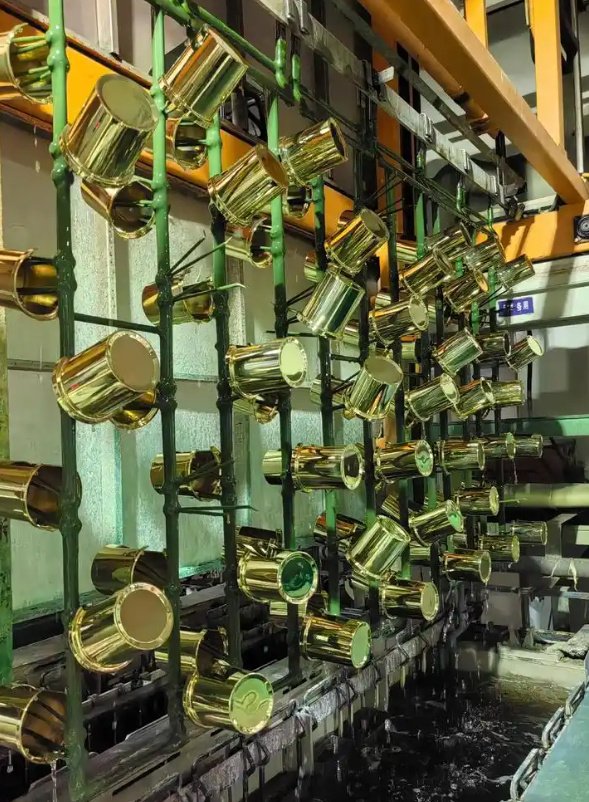
Metal Surface Treatment Functions
1
Corrosion Resistance
Protecting components from harsh environmental factors, extending service life in marine, chemical, and outdoor settings.
2
Wear Resistance
Applying robust coatings that minimize abrasion and erosion, crucial for moving parts and high-stress environments.
3
Hardness Enhancement
Increasing surface hardness to withstand impact and deformation, vital for tools and heavy machinery.
Compatible Materials & Recommended Finishes
The choice of metal surface treatment must match substrate metallurgy and CNC machining requirements. The table below summarizes our validated process-to-material matrix, aligned with metal machining specifications to ensure compatibility and optimal performance.
| Substrate | Recommended Finishes | Typical Thickness | Key Performance Benefit |
|---|---|---|---|
| Aluminum 6061 / 7075 | Type II Anodize, Type III Hardcoat, Chemical Conversion (Alodine) | 5–75 µm | Corrosion + wear, dielectric isolation |
| Stainless Steel 304 / 316 | Passivation, Electropolish, PVD | 0–4 µm | Pitting resistance, biocompatibility |
| Carbon Steel 1018 / 4140 | Zinc Plating, Black Oxide, Powder Coat, Phosphate | 5–120 µm | Rust prevention, paint adhesion |
| Brass / Copper | Nickel Plating, Gold Plating, Tin Plating, Lacquer | 2–25 µm | Conductivity, anti-tarnish |
| Titanium Gr.2 / Gr.5 | Color Anodizing, Passivation, PVD | 0.5–10 µm | Identification, biocompatibility |
| Magnesium AZ31 / AZ91 | Micro-Arc Oxidation, Chromate-Free Conversion | 10–40 µm | Galvanic protection |
| Zinc / Die-Cast Alloys | Chromate, Powder Coat, Electroplating | 5–80 µm | Decorative + corrosion barrier |
| Tool Steel D2 / H13 | Nitriding, DLC, TiAlN PVD | 1–200 µm | Hardness up to 3,000 HV |
How to Choose the Right Metal Surface Finishing Process
Selecting the optimal metal surface finishing involves balancing functional, regulatory, and cost factors. Use the decision criteria below:
chloride, acidic, alkaline, marine, or atmospheric exposure dictates barrier type (sacrificial vs. noble).
sliding wear favors hardcoat anodize, ENP, or PVD; impact favors powder coat over thin films.
anodize for insulation; silver, gold, or tin for conductivity and solderability.
Industry Standards, Tolerances & Quality Control
Every metal finishing batch is inspected against documented acceptance criteria. We routinely deliver to:
- MIL-A-8625 — Anodic coatings on aluminum
- ASTM B633 / ISO 4042 — Electrodeposited zinc
- AMS 2404 / AMS 2405 — Electroless nickel
- ASTM A967 / AMS 2700 — Stainless passivation
- ISO 9001:2015 & IATF 16949 — Quality management
- RoHS / REACH — Hazardous-substance compliance
Inline QC equipment includes CMM coordinate measuring machines for dimensional verification, Fischerscope XRF (thickness), Mitutoyo SJ-410 profilometers (roughness), salt-spray cabinets (ASTM B117), adhesion cross-hatch testers (ASTM D3359), and Vickers micro-hardness testers