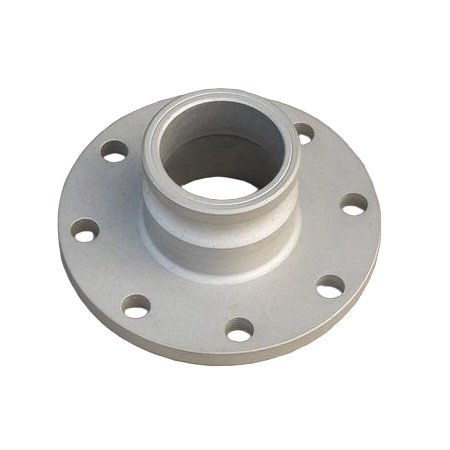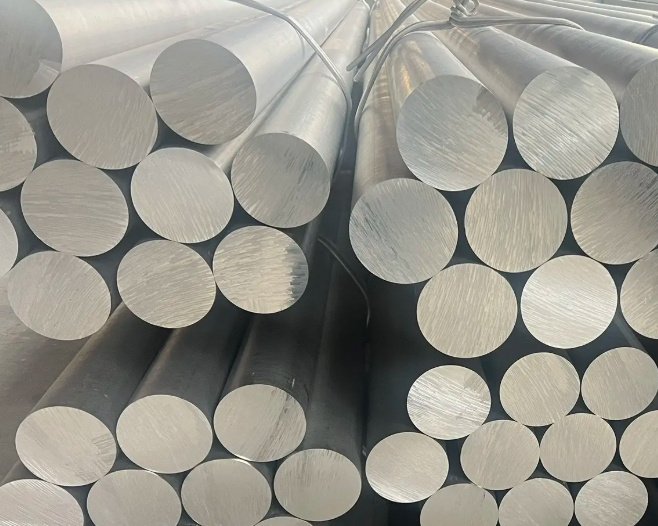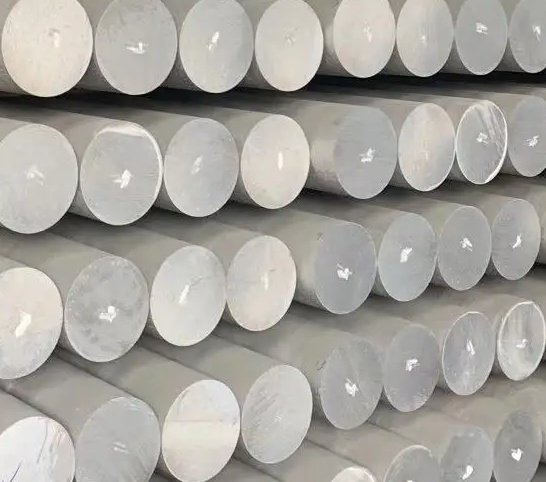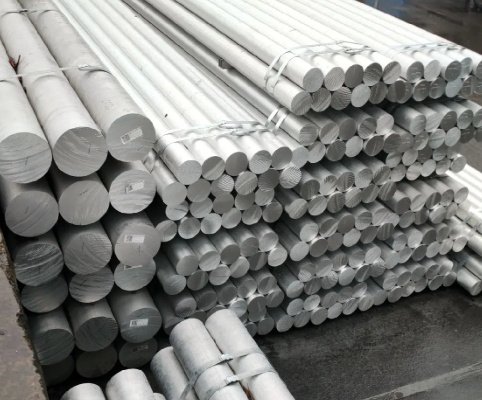
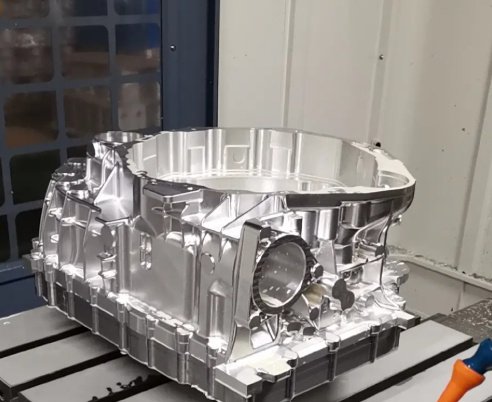
Aluminum CNC machining is one of the most widely used manufacturing methods for producing lightweight, accurate, and functional metal components. From aerospace brackets and robotics housings to medical device fixtures and heat sinks, aluminum cnc machining offers a strong balance of machinability, strength-to-weight ratio, corrosion resistance, and production flexibility.
This guide explains how engineers, buyers, and product developers evaluate an aluminum cnc machining service, choose alloys, define tolerances, reduce cost, and avoid common manufacturing risks. It also covers real engineering considerations for cnc machined aluminum parts, including flatness, thread strength, anodizing allowance, burr control, and inspection requirements.
What Is Aluminum CNC Machining?
Aluminum CNC machining is a subtractive manufacturing process in which computer-controlled equipment removes material from aluminum stock to create precise parts. The process may include CNC milling, CNC turning, drilling, boring, tapping, reaming, pocketing, contouring, engraving, and finishing operations.
A modern aluminum cnc machine can maintain repeatable dimensions across prototypes, bridge production, and full production runs. Depending on the geometry, parts may be produced on 3-axis mills, 4-axis machining centers, 5-axis CNC machines, CNC lathes, Swiss-type lathes, or mill-turn equipment.
Typical applications include:
- Electronics enclosures and RF housings
- Heat sinks and thermal management plates
- Aerospace brackets, frames, and structural fittings
- Automotive sensor mounts and lightweight fixtures
- Robotics arms, end-effectors, and actuator housings
- Medical and laboratory instrument components
- Optical mounts, camera bodies, and positioning stages
Why Aluminum Is Popular for CNC Machined Parts
Aluminum is often selected because it is relatively easy to cut compared with stainless steel, titanium, or hardened tool steel. Many grades are considered machinable aluminum, meaning they can be milled or turned at high spindle speeds with good surface finish and predictable chip formation.
For buyers comparing materials, cnc machining aluminum usually provides several commercial and engineering benefits:
- Low density: Aluminum is about one-third the weight of steel, which helps reduce assembly mass.
- Good machinability: Shorter cycle times can reduce unit cost, especially for medium-volume production.
- Résistance à la corrosion : Natural oxide formation and anodizing improve durability in many environments.
- Thermal conductivity: Aluminum is commonly used for heat sinks, cold plates, and electronics housings.
- Electrical conductivity: It can be suitable for grounding components, bus bars, and electrical housings.
- Surface finishing options: Aluminum accepts anodizing, bead blasting, polishing, chromate conversion, painting, and powder coating.
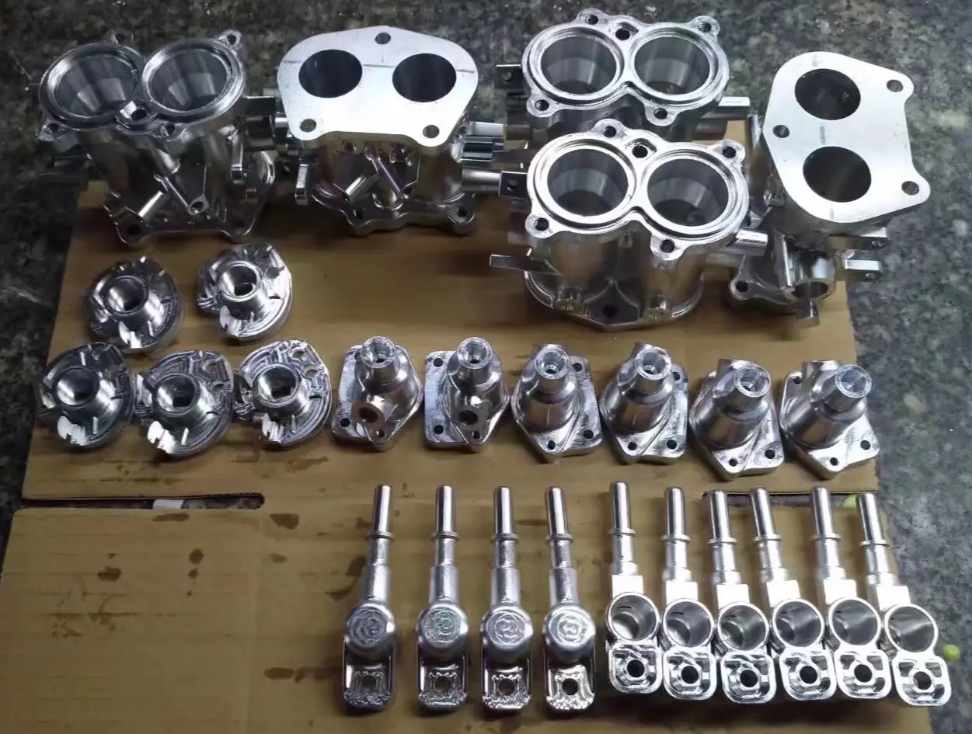
In many projects, aluminum machined parts replace castings, sheet metal assemblies, or plastic parts when tighter tolerances, improved rigidity, or better heat dissipation are required.
Common Aluminum Alloys for CNC Machining
Selecting the correct alloy is one of the most important decisions in custom aluminum machining. The best alloy depends on mechanical load, cosmetic requirements, corrosion environment, welding needs, anodizing color consistency, and budget.
| Alliage | Utilisation typique | Machining Notes | Considérations d'ordre technique |
|---|---|---|---|
| 6061-T6 | General brackets, housings, frames, fixtures | Excellent machinability and availability | Good strength, corrosion resistance, and anodizing response |
| 7075-T6 | Aerospace parts, high-strength structural components | Machines well but may require careful stress management | Higher strength than 6061, lower corrosion resistance |
| 2024-T3/T351 | Aerospace fittings and fatigue-loaded parts | Good machinability | Strong fatigue performance but poorer corrosion resistance |
| 5052 | Panels, marine components, formed parts | Softer and less ideal for heavy machining | Good corrosion resistance, commonly used in sheet form |
| 6082 | Structural components in Europe and industrial equipment | Good for milling and turning | Comparable to 6061 in many applications |
| MIC-6 Cast Plate | Tooling plates, base plates, precision fixtures | Stable and flat after machining | Useful when flatness and dimensional stability are critical |
For most general-purpose cnc machining aluminum parts, 6061-T6 is the default choice because it is widely stocked, economical, stable, and compatible with many surface finishes. For high-load components, 7075-T6 may be preferred, but it requires more attention to corrosion protection and stress concentration.
Material selection note for engineers
If a drawing calls for tight flatness on a broad plate, consider cast tooling plate instead of extruded bar. Extruded aluminum may contain residual stresses that release during heavy pocketing, causing bow or twist. For precision base plates, MIC-6 or stress-relieved 6061 plate can reduce rework and improve inspection yield.
Capabilities of an Aluminum Machine Shop
A qualified aluminum machine shop should be able to machine prototypes, functional test units, and production components while maintaining consistent dimensional control. The exact capabilities vary among aluminum machine shops, but core services usually include CNC milling, CNC turning, deburring, tapping, insert installation, surface finishing, and inspection.
When sourcing an aluminum machining service, buyers should evaluate whether the supplier has experience with the specific geometry and production requirements. For example, large aluminum machined parts require different equipment, fixturing, and inspection methods than small turned bushings or miniature electronic housings.
3-Axis CNC Milling
3-axis milling is efficient for plates, pockets, slots, counterbores, mounting surfaces, and simple prismatic parts. It is often used for brackets, adapter plates, covers, fixtures, and housings with features accessible from one or several setups.
4-Axis and 5-Axis CNC Machining
4-axis and 5-axis machining reduce the number of setups and improve accuracy between features on multiple faces. This is valuable for complex aluminum cnc machining parts with angled holes, compound surfaces, undercuts, or tight positional tolerances.
CNC Turning and Mill-Turn Machining
Round aluminum parts such as spacers, shafts, housings, valve bodies, sleeves, and threaded adapters are commonly produced on CNC lathes. Mill-turn centers can combine turning, milling, drilling, and tapping in one setup to improve concentricity and reduce handling time.
Large-Format Aluminum Machining
Large plates, structural frames, gantry components, and aerospace panels require machines with sufficient travel, spindle power, coolant delivery, and stable fixturing. Large aluminum machined parts may also require staged roughing, stress relief, and final finishing passes to control flatness.
Tolerances, Surface Finish, and Design Rules
Tolerance expectations should match the function of the part. Overly tight tolerances increase inspection time, scrap risk, and machining cost. For many cnc aluminum machining parts, a general tolerance of ±0.005 in or ±0.13 mm is achievable without special processing. Tighter tolerances such as ±0.001 in or ±0.025 mm may be possible on selected features, but they require stable geometry, controlled setups, appropriate inspection tools, and sometimes temperature control.
A realistic tolerance strategy is especially important for custom machining aluminum projects involving mating assemblies, bearing seats, O-ring grooves, dowel pin holes, or optical alignment surfaces.
| Feature Type | Typical Practical Tolerance | Notes |
|---|---|---|
| General milled dimensions | ±0.005 in / ±0.13 mm | Common for non-critical features |
| Precision bores | ±0.0005 to ±0.0015 in / ±0.013 to ±0.038 mm | May require boring, reaming, or interpolation validation |
| Flatness on broad plates | Depends on size, thickness, and material condition | Stress relief and balanced machining may be required |
| Threaded holes | Gauge controlled | Thread depth, insert type, and anodizing buildup should be specified |
| Cosmetic surfaces | Ra requirement or visual standard | Tool marks, bead blast, and anodizing class should be defined |
Surface finish is normally specified using roughness values such as Ra 3.2 µm, Ra 1.6 µm, or Ra 0.8 µm. For many aluminum cnc machined parts, Ra 1.6 µm is a practical machined finish when cutting parameters, tool condition, and part rigidity are controlled.
Design rules that reduce cost and lead time
- Use internal corner radii that match standard end mills instead of sharp inside corners.
- Avoid deep narrow pockets when possible; they require longer tools and slower feeds.
- Ne spécifiez des tolérances serrées que pour les caractéristiques fonctionnelles.
- Allow standard stock thickness where possible to reduce material removal.
- Use common thread sizes and avoid unnecessarily deep tapped holes.
- For anodized parts, identify masked areas, electrical contact surfaces, and critical dimensions after finishing.
Surface Finishing Options for Aluminum Machined Parts
Surface finishing improves appearance, corrosion resistance, wear resistance, and product performance. The correct finish should be defined early because finishing can change dimensions, edge conditions, color, and conductivity.
- As-machined: Fast and economical, with visible tool marks depending on the machining strategy.
- Bead blasted: Produces a uniform matte texture before anodizing or for cosmetic parts.
- Type II anodizing: Common for decorative and corrosion-resistant finishes in clear, black, red, blue, and other colors.
- Type III hardcoat anodizing: Used for improved wear resistance and durability.
- Chemical conversion coating: Maintains electrical conductivity better than anodizing and improves corrosion resistance.
- Revêtement en poudre : Provides durable colored surfaces but adds more thickness than anodizing.
- Polishing: Used for cosmetic or low-friction surfaces where reflective finish is desired.
Anodizing thickness is a common source of engineering issues. Type II anodizing may add approximately 0.0002 to 0.0010 in total thickness, while hardcoat anodizing may be thicker depending on specification. Critical bores, threaded holes, sliding surfaces, and grounding pads should be reviewed before release.
Cost Drivers in Aluminum CNC Machining Services
The cost of aluminum cnc machining services depends on programming time, material cost, machine time, setup complexity, tool wear, inspection requirements, finishing, and order quantity. Aluminum is usually faster to machine than steel, but part geometry can still make a simple-looking component expensive.
The largest cost drivers include:
- Number of setups: Each repositioning adds labor, alignment risk, and inspection time.
- Material removal volume: Deep pockets and thin walls may require multiple roughing and finishing passes.
- Tight tolerances: Precision features require slower cutting, stable fixturing, and more inspection.
- Thin walls: Thin aluminum can vibrate, deflect, or distort after unclamping.
- Surface finish requirements: Cosmetic machining, bead blasting, and anodizing add process steps.
- Part size: Large components require bigger machines, more expensive stock, and more complex handling.
- Documentation sur la qualité : First article inspection, CMM reports, material certificates, and process certifications add cost but may be essential.
In one representative engineering review, a housing originally required five setups because critical features were placed on all six sides. By modifying two non-functional pockets and allowing a larger internal radius, the process was reduced to three setups. The result was a measured cycle-time reduction of about 18 percent and a lower dimensional variation between datum-related features.
Buyer perspective: what to include in an RFQ
A complete RFQ should include 3D CAD files, 2D drawings, material grade and temper, quantity, surface finish, critical tolerances, inspection requirements, threaded insert specifications, packaging requirements, and target delivery date. If the part is an aluminum machining part used in a regulated product, include traceability and documentation requirements at the quotation stage.
Quality Control for CNC Machined Aluminum Parts
Quality control for cnc machined aluminum parts should be based on part function, drawing requirements, and production risk. A reliable supplier should define inspection methods before production, not after defects appear.
Common inspection methods include:
- Calipers and micrometers for general dimensions
- Height gauges for datum-based measurements
- Bore gauges and pin gauges for holes and slots
- Thread gauges for tapped holes and threaded features
- CMM inspection for geometric tolerances and complex profiles
- Surface roughness testers for Ra requirements
- Optical comparators or vision systems for small features
- Coating thickness gauges for anodized or coated parts
For production orders, first article inspection can verify that the machining process, setup, tooling, and measurement plan are capable of meeting requirements. For high-volume or safety-critical parts, statistical process control may be used on key characteristics.
Common Engineering Problems and Practical Solutions
Aluminum is easy to machine compared with many metals, but it still presents real manufacturing challenges. The following issues are common in aluminum cnc machining parts and can affect cost, lead time, or part performance.
Thin-Wall Deflection
Thin walls can move under tool pressure, causing oversize pockets, chatter marks, or uneven wall thickness. Solutions include leaving support ribs until final passes, using sharp tools, reducing radial engagement, machining symmetrically, and adjusting fixture support.
Burr Formation
Aluminum can form burrs around drilled holes, milled edges, intersecting features, and soft alloy cuts. Burr control may require toolpath optimization, climb milling, sharp carbide tools, chamfers, manual deburring, vibratory finishing, or edge-break specifications.
Distortion After Machining
Residual stress in plate, bar, or extrusion can release when material is removed. This is especially common in large pockets, thin plates, and asymmetrical parts. Stress-relieved material, roughing and resting, balanced stock removal, and final skim cuts can improve dimensional stability.
Anodizing Fit Problems
Anodizing can change hole sizes, thread fit, and sliding interfaces. If a shaft, bearing, dowel, or insert must fit after finishing, the drawing should specify whether dimensions apply before or after coating.
How to Choose an Aluminum CNC Machining Service
Choosing the right aluminum cnc machining service is not only about price. The best supplier depends on project stage, part complexity, documentation needs, finishing requirements, and delivery expectations. A prototype-focused shop may be excellent for quick design iterations, while a production-focused machine shop aluminum supplier may be better for repeat orders with process controls.
Buyers should assess an aluminum machine shop using the following criteria:
- Relevant part experience: Similar materials, tolerances, finishes, and applications.
- Machine capability: Appropriate travel, spindle speed, axis count, and workholding capacity.
- Engineering feedback: Ability to identify manufacturability risks before production.
- Inspection resources: CMM, gauges, surface roughness testing, and documented quality procedures.
- Finishing coordination: Experience with anodizing, masking, bead blasting, and coating tolerances.
- Scalability: Ability to move from prototype to production without redesigning the process.
- Communication: Clear review of drawings, deviations, lead time risks, and material substitutions.
For custom aluminum machining, the supplier should also understand how design changes affect cost. Small modifications such as increasing a corner radius, changing a pocket depth, or relaxing a non-critical tolerance can make a significant difference in manufacturability.
Prototype, Bridge, and Production Considerations
The requirements for one prototype are different from those for 5,000 production units. During prototyping, speed and design flexibility may matter more than cycle-time optimization. During production, repeatability, fixture design, tool life, inspection planning, and finishing consistency become more important.
A practical sourcing strategy may include:
- Prototype stage: Use rapid CNC machining to validate fit, function, and assembly.
- Engineering validation: Confirm material, heat treatment, surface finish, and tolerance stack-up.
- Bridge production: Improve fixtures and toolpaths before investing in full production controls.
- Production : Standardize workholding, inspection frequency, packaging, and lot traceability.
For an aluminum machine component that must be assembled with bearings, seals, optical elements, or electronics, early communication between design engineering and manufacturing can prevent expensive redesign. This is especially true for aluminum cnc machined parts with cosmetic surfaces or tight geometric tolerances.
Conclusion
Aluminum CNC machining is a high-value manufacturing process for lightweight, accurate, and durable components. By selecting the right alloy, applying realistic tolerances, designing for manufacturability, and choosing a capable aluminum machining service, buyers can improve quality while controlling cost and lead time.
Whether the project involves prototypes, custom aluminum machining, cnc machining aluminum parts, or production cnc aluminum machining parts, success depends on clear drawings, appropriate material selection, robust fixturing, controlled finishing, and measurable inspection. A knowledgeable aluminum machine shop can help convert a design into reliable aluminum machined parts that perform consistently in real-world applications.