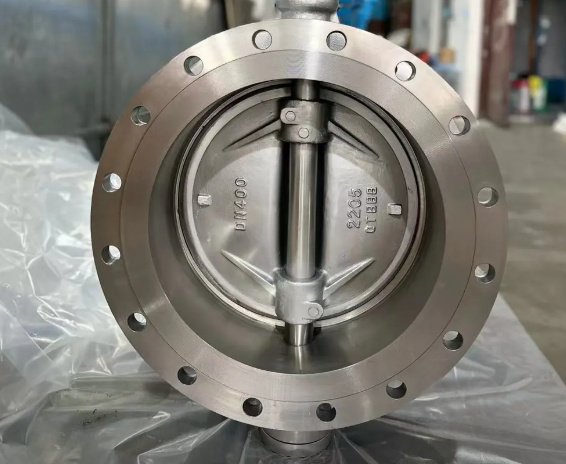
Stainless Steel Flanges are precision-machined pipe connection components used to join pipes, valves, pumps, pressure vessels and equipment nozzles in industrial piping systems. Compared with carbon steel flanges, stainless steel offers higher resistance to oxidation, moisture, chemicals and many corrosive process fluids, making it a preferred choice for water treatment, chemical processing, food equipment, marine systems, pharmaceuticals, oil and gas utilities, and high-cleanliness production lines.
Our stainless steel flange range covers standard and custom designs manufactured to ASME, ANSI, EN, DIN, JIS and project-specific drawings. Available materials include 304, 304L, 316, 316L, 321, 347, 904L, duplex and super duplex stainless steels. Each flange can be supplied with controlled dimensions, specified facing finish, pressure class marking, material traceability and inspection documents for procurement and engineering approval.
Product Overview
A stainless steel flange provides a bolted, gasketed joint that can be assembled, inspected and disassembled more easily than a permanent welded joint. This is important in systems where maintenance access, equipment replacement, cleaning or periodic inspection is required. The correct flange type, pressure rating, sealing face and alloy grade directly affect leakage control, service life and installation cost.
| Item | Available Options |
|---|---|
| Product name | Stainless steel flange, forged flange, plate flange, custom machined flange |
| Common standards | ASME B16.5, ASME B16.47 Series A/B, EN 1092-1, DIN, JIS B2220, MSS SP-44 |
| Nominal size | NPS 1/2 to NPS 60, DN15 to DN1500, custom OD and bore available |
| Pressure rating | Class 150, 300, 600, 900, 1500, 2500; PN6 to PN100 depending on standard |
| Material grades | ASTM A182 F304/F304L, F316/F316L, F321, F347, F51, F53, F55; ASTM A240 plate grades for plate flanges |
| Facing types | RF, FF, RTJ, tongue and groove, male and female, custom sealing face |
| Manufacturing route | Forging, solution treatment where applicable, CNC machining, drilling, facing, marking and inspection |
| Documentation | EN 10204 3.1 MTC, PMI report, dimensional report, visual inspection, hardness test, NDE if required |
Common Types of Stainless Steel Flanges
Different piping layouts require different flange designs. Selecting the right type helps control welding work, alignment risk, maintenance time and long-term sealing reliability.
Weld Neck Flanges
Weld neck flanges have a tapered hub and are butt-welded to the pipe. They are preferred for high-pressure, high-temperature, cyclic loading and critical services because stress is distributed more smoothly from flange to pipe. For process plants and pressure piping, weld neck stainless steel flanges are often selected when joint integrity is more important than initial installation speed.
Slip-On Flanges
Slip-on flanges slide over the pipe and are normally fillet welded on both the inside and outside. They are easier to align than weld neck flanges and are widely used in low to medium pressure water, utility, air, steam and general process lines.
Socket Weld Flanges
Socket weld flanges are used mainly for small-bore piping. The pipe is inserted into the socket and welded around the outside. They provide good fatigue strength but require careful gap control to avoid weld stress concentration and crevice corrosion in corrosive service.
Threaded Flanges
Threaded flanges connect to externally threaded pipe without welding. They are useful where hot work is restricted, but they are generally not preferred for severe vibration, high-cycle thermal service or corrosive crevice-prone environments.
Blind Flanges
Blind flanges close the end of a piping system, valve outlet or pressure vessel nozzle. They are commonly used for testing, inspection ports and future expansion connections. Correct thickness and pressure class selection are essential because blind flanges carry full line pressure without a center bore.
Lap Joint Flanges
Lap joint flanges are used with stub ends and can rotate around the pipe, simplifying bolt-hole alignment. They are often chosen for expensive alloy piping systems because the wetted stub end can be stainless steel while the backing flange may be optimized for cost where the specification allows.
Material Grades and Alloy Selection
The stainless steel grade should be selected according to fluid chemistry, temperature, chloride exposure, cleaning method, pressure design and welding requirements. Using a lower-cost alloy in the wrong service can lead to pitting, crevice corrosion, stress corrosion cracking or premature leakage at the gasket area.
| Grade | Typical Standard | Main Advantages | Common Applications |
|---|---|---|---|
| 304 / 304L | ASTM A182 F304/F304L | General corrosion resistance, good formability, economical stainless option | Clean water, food equipment, indoor utilities, low-chloride service |
| 316 / 316L | ASTM A182 F316/F316L | Molybdenum-bearing grade with improved chloride and chemical resistance | Marine atmosphere, chemical lines, wastewater, coastal facilities |
| 321 | ASTM A182 F321 | Titanium stabilized for improved resistance to sensitization | Elevated-temperature piping, heat exchangers, thermal cycling systems |
| 347 | ASTM A182 F347 | Niobium stabilized, suitable for high-temperature welded assemblies | Refinery units, high-temperature process lines, pressure equipment |
| 904L | ASTM B649 / project specification | High nickel and molybdenum content for aggressive acidic environments | Sulfuric acid, phosphoric acid, chemical processing |
| Duplex 2205 | ASTM A182 F51 | High strength with excellent resistance to chloride stress corrosion cracking | Desalination, offshore, brine, pulp and paper systems |
| Super Duplex 2507 | ASTM A182 F53/F55 | Very high pitting resistance and strength for severe chloride service | Seawater injection, offshore topsides, high-chloride chemical systems |
For chloride-containing environments, 316L is often a minimum practical upgrade from 304, while duplex or super duplex grades may be required for seawater, brine and high-temperature chloride media. For welded systems, low-carbon “L” grades help reduce sensitization risk in the heat-affected zone.
Standards, Dimensions and Pressure Classes
Most industrial stainless flanges are purchased by standard, nominal pipe size, pressure class, material grade and facing. The same nominal size can have different outside diameter, bolt circle, thickness and bore depending on whether the flange follows ASME, EN, DIN or JIS standards. Mixing standards without engineering review can cause bolt-hole mismatch, gasket seating problems and non-compliant pressure ratings.
- ASME B16.5: Covers pipe flanges and flanged fittings from NPS 1/2 through NPS 24.
- ASME B16.47: Covers large diameter steel flanges, typically NPS 26 through NPS 60, Series A and Series B.
- EN 1092-1: Common European standard using PN pressure designations such as PN10, PN16, PN25 and PN40.
- JIS B2220: Frequently used in Japanese and Asian industrial projects.
- MSS SP-44: Often referenced for steel pipeline flanges in transmission and process applications.
When ordering Stainless Steel Flanges, engineers should verify pipe schedule, bore type, gasket standard, bolt material, design temperature and corrosion allowance. For example, an ASME Class 150 flange is not a fixed pressure limit across all temperatures; allowable pressure decreases as temperature rises and must be checked against the applicable pressure-temperature rating table.
Engineering note: RF, FF and RTJ sealing faces
Raised face flanges are common in process piping because gasket compression is concentrated on a smaller sealing area. Flat face flanges are often used with cast iron, FRP or low-pressure equipment where bending stress must be reduced. Ring type joint flanges use a metal ring gasket and are preferred for high-pressure or severe service, especially in oil, gas and petrochemical systems.
Manufacturing and Machining Process
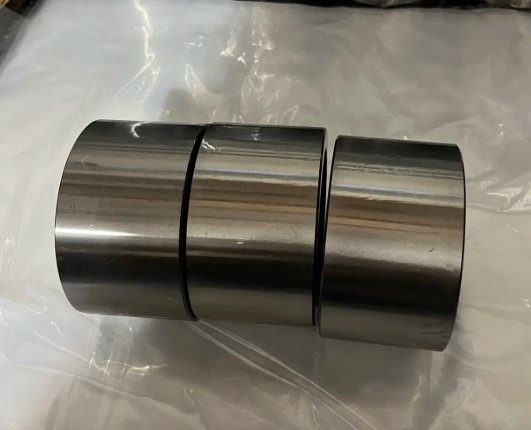
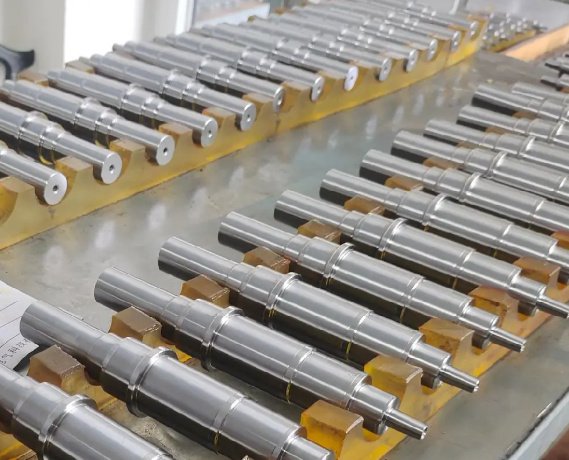
High-quality stainless steel flanges depend on controlled raw material, forging or plate preparation, heat treatment, machining accuracy and surface protection. For pressure-bearing applications, forged flanges are commonly preferred because the forging process refines grain flow and improves mechanical consistency compared with non-pressure-grade cast components.
- Raw material verification: Stainless steel billets, bars or plates are checked against purchase specification, heat number and chemical composition.
- Forging or cutting: Forged blanks are shaped under controlled temperature; plate flanges are cut from certified stainless plate for suitable low-pressure or specified applications.
- Heat treatment: Solution annealing or stabilization treatment is applied where required by grade and standard.
- Rough machining: Outside diameter, bore, hub profile and flange thickness are machined close to final dimensions.
- CNC finishing: Bolt holes, gasket face, chamfers, bevels and sealing surfaces are finished to drawing requirements.
- Surface finishing: Pickling, passivation, polishing or protective wrapping may be applied to improve cleanliness and corrosion resistance.
- Inspection and marking: Flanges are checked for dimensions, material identity, facing finish, marking content and documentation consistency.
For raised face ASME flanges, a common gasket contact finish is a serrated concentric or spiral finish within the typical 125 to 250 AARH range, unless another gasket supplier requirement is specified. Excessively smooth faces can reduce gasket grip, while overly rough faces can damage soft gaskets and increase leakage risk.
Quality Control and Traceability
Procurement teams and project engineers usually require more than a dimensional match. Reliable flange supply must include material traceability, controlled machining and inspection records that support site acceptance, third-party inspection and pressure equipment documentation.
| Inspection Item | Purpose | Typical Method |
|---|---|---|
| Chemical composition | Confirms stainless grade and alloy content | Mill certificate review, spectrometer, PMI |
| Mechanical properties | Verifies tensile strength, yield strength and elongation | Material test certificate, laboratory testing if required |
| Dimensions | Ensures fit with pipe, valve, gasket and bolts | Caliper, micrometer, height gauge, coordinate measurement where needed |
| Sealing face | Controls gasket compression and leakage performance | Visual inspection, roughness gauge, facing profile check |
| Surface defects | Detects cracks, laminations, dents and machining damage | Visual test, liquid penetrant test, ultrasonic test where specified |
| Marking | Supports field identification and traceability | Standard marking check, heat number verification |
A well-controlled flange package should keep the heat number traceable from raw material to final product. For critical service, PMI testing helps prevent grade mix-ups between similar-looking alloys such as 304L and 316L, which can have significantly different corrosion performance in chloride-containing environments.
Documents commonly requested by buyers
- EN 10204 3.1 material test certificate
- Positive material identification report
- Dimensional inspection report
- Surface roughness report for gasket face if specified
- Heat treatment record when applicable
- NDE report such as PT, UT or MT according to project requirement
- Certificate of conformity
- Packing list with heat number and item traceability
Engineering Problems Solved by Correct Flange Selection
Many flange failures are not caused by the stainless steel itself, but by incorrect combination of alloy, gasket, bolt load, facing finish or installation practice. A flange that fits dimensionally may still fail if it is not suitable for the fluid, temperature, pressure cycle or maintenance environment.
Problem 1: Leakage After Hydrotest or Start-Up
A common cause is uneven gasket compression from misalignment, incorrect bolt tightening sequence or mismatched facing finish. In bolted joints, applying a cross-pattern tightening sequence with calibrated torque can reduce flange rotation and gasket stress variation. In many maintenance audits, retightening after initial compression loss is necessary for soft gaskets in thermal cycling service.
Problem 2: Pitting Around the Gasket Area
Crevice conditions near the gasket can concentrate chlorides and reduce oxygen access. In coastal cooling water or seawater-adjacent systems, changing from 304 to 316L, duplex 2205 or super duplex may significantly improve service life. Where pitting is localized at the gasket seat, alloy upgrade should be evaluated together with gasket material and cleaning procedure.
Problem 3: Bolt-Hole Mismatch on Site
This often occurs when ASME, EN, DIN and JIS flange designations are treated as interchangeable. Before shipment, bolt circle diameter, number of holes, hole diameter and flange thickness should be checked against the mating valve or equipment nozzle drawing. This simple verification can prevent costly field rework, especially for prefabricated skids and modular plants.
Problem 4: Contamination in Hygienic or High-Purity Systems
Food, beverage and pharmaceutical projects may require smoother surface finishes, controlled cleaning, oil-free packaging and passivation. Stainless flanges for these systems should be protected from carbon steel contact during fabrication and transport to avoid iron contamination and surface rust staining.
Buyer and Engineer Selection Guide
The fastest way to specify a stainless steel flange correctly is to define the complete service condition and interface requirements. Buyers should not rely only on nominal pipe size and material grade; pressure class, face type, bore, standard and documentation requirements are equally important.
- Confirm the applicable design code or project standard before comparing prices.
- Select the alloy according to fluid, chloride level, cleaning chemicals and temperature.
- Match flange standard and pressure class with the mating valve, pipe spool or equipment nozzle.
- Specify facing type and surface finish based on gasket material and service pressure.
- Check pipe schedule to avoid bore mismatch and internal turbulence at the weld joint.
- Define inspection level early, especially for offshore, chemical, pressure vessel and export projects.
- Require heat number traceability for stainless grades used in corrosive or regulated systems.
- Consider lifecycle cost: a higher alloy grade may reduce shutdowns, leakage events and replacement labor.
For project procurement, custom machined flanges can be produced from drawings when standard dimensions do not match existing equipment, imported machinery, replacement nozzles or retrofit installations. Custom work may include non-standard bolt patterns, special facing grooves, extended hubs, reduced bores, instrument ports and tighter flatness requirements.
Information to prepare before requesting a quotation
- Flange type: weld neck, slip-on, blind, socket weld, threaded, lap joint or custom
- Standard: ASME B16.5, ASME B16.47, EN 1092-1, DIN, JIS or drawing
- Size: NPS/DN and pipe schedule or exact bore
- Pressure rating: Class or PN rating
- Material grade: 304L, 316L, 321, 904L, duplex, super duplex or other alloy
- Facing: RF, FF, RTJ, tongue and groove, male and female
- Quantity and required delivery schedule
- Inspection documents and third-party inspection requirements
Applications
Stainless steel flanges are used where corrosion resistance, cleanliness, durability and reliable maintenance access are required. Their value is especially clear in systems exposed to moisture, cleaning chemicals, salt spray, acidic media or product contamination risk.
| Industry | Typical Use | Common Grade Choice |
|---|---|---|
| Chemical processing | Process pipelines, reactor connections, acid and solvent transfer | 316L, 904L, duplex, super duplex |
| Water and wastewater | Pump stations, filtration units, sludge lines, desalination pre-treatment | 304L, 316L, duplex |
| Food and beverage | Clean process lines, CIP systems, utility piping | 304L, 316L |
| Marine and offshore | Seawater systems, deck piping, firewater, cooling water | 316L, duplex 2205, super duplex 2507 |
| Oil and gas | Utility piping, chemical injection, high-pressure process connections | 316L, 347, duplex, super duplex |
| Pharmaceutical | High-cleanliness piping, purified water, equipment nozzles | 316L with controlled finish |
| Power and energy | Steam auxiliaries, cooling water, heat exchanger connections | 304L, 316L, 321, 347 |
Why Stainless Steel Flanges Are a Long-Term Cost Choice
Although stainless steel flanges usually cost more than carbon steel flanges at initial purchase, they can reduce lifecycle cost in corrosive or hygiene-sensitive environments. The benefits include lower coating maintenance, better resistance to rust contamination, longer replacement intervals and improved appearance in exposed installations.
In one common coastal utility scenario, carbon steel flanges in splash-zone or humid pump rooms may require regular repainting and frequent gasket-area inspection. Upgrading to 316L stainless steel flanges can reduce corrosion-related maintenance work, especially where coating damage around bolts and flange edges is difficult to prevent. For severe chloride exposure, duplex or super duplex grades should be evaluated using project corrosion data rather than price alone.
A technically correct flange specification protects more than the joint. It supports safer commissioning, easier maintenance, better compatibility with valves and equipment, and more predictable performance throughout the piping system lifecycle.