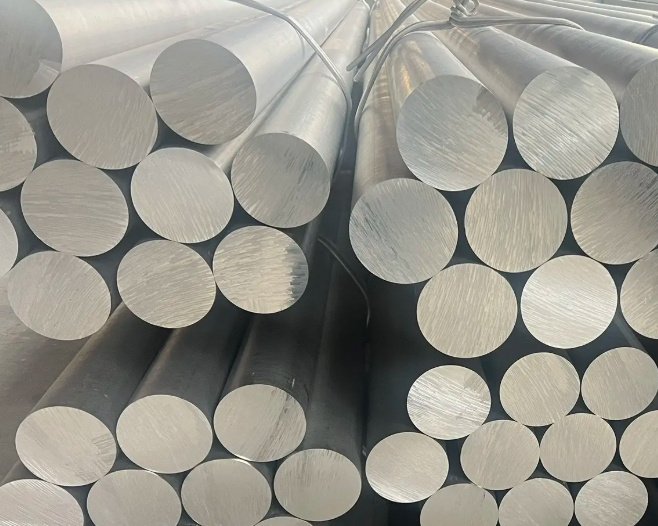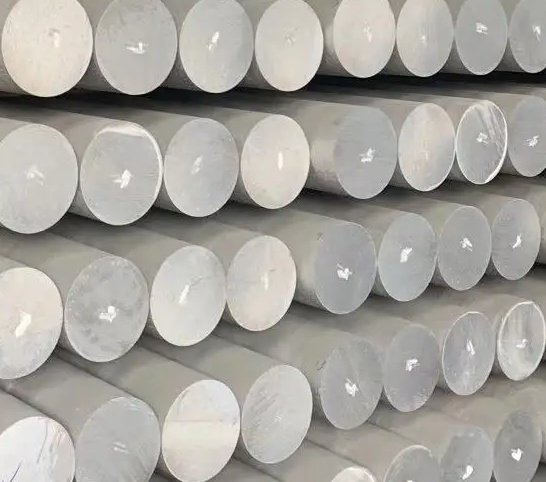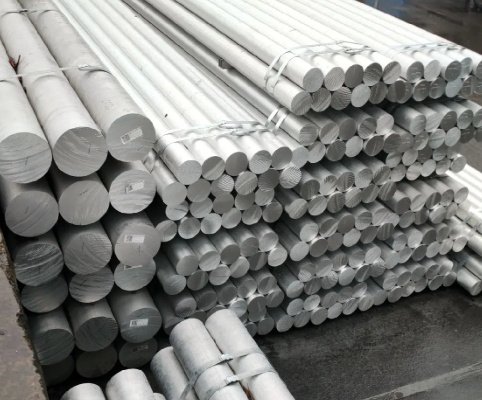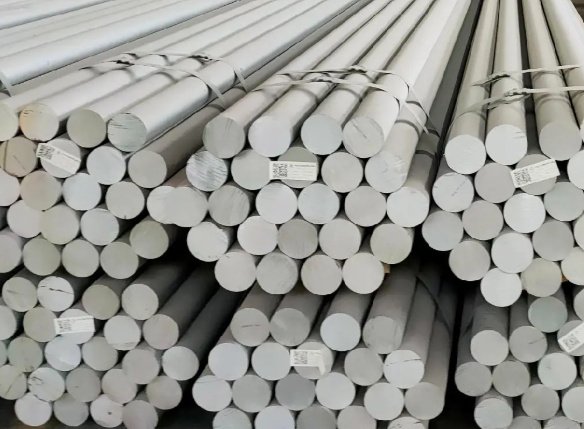
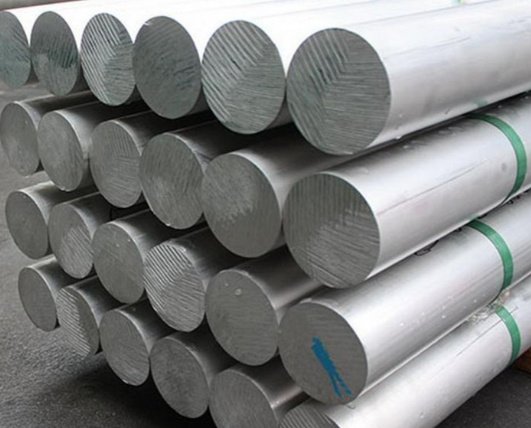
Selecting the right metal for CNC machining is not only a material engineering decision. It affects cutting speed, tool life, tolerance capability, surface finish, lead time, scrap risk and final part cost. This machining metal materials guide explains how common engineering metals behave during milling, turning, drilling, tapping, reaming, grinding and finishing, with practical notes for engineers, buyers and manufacturers.
In CNC machining, the “best” metal is rarely the strongest material on paper. The best choice is the material that meets mechanical, thermal, corrosion, weight and regulatory requirements while remaining stable and economical to machine. Factors such as hardness, tensile strength, ductility, thermal conductivity, work hardening, chip formation and heat treatment condition all influence manufacturability.
What Makes a Metal Good or Difficult to Machine?
Machinability describes how easily a material can be cut into a specified shape while achieving acceptable tool life, dimensional accuracy and surface quality. It is commonly evaluated through cutting force, chip control, built-up edge tendency, tool wear, achievable surface roughness and cycle time.
A metal with high machinability usually produces predictable chips, requires lower cutting forces, dissipates heat effectively and allows higher feed rates or cutting speeds. A difficult-to-machine metal may work harden, generate heat at the tool tip, abrade carbide inserts or create long stringy chips that interfere with automation.
| Propriété | Machining impact | Typical engineering consideration |
|---|---|---|
| Dureté | Higher hardness increases tool wear and cutting force | Pre-hardened steels may need coated carbide, CBN or reduced speeds |
| Résistance à la traction | Higher strength generally increases power demand | Machine rigidity and fixture strength become more important |
| Conductivité thermique | Low conductivity concentrates heat near the cutting edge | Titanium and nickel alloys often require conservative parameters |
| Ductilité | Very ductile metals can form long chips and built-up edge | Chip breakers, sharp tools and coolant strategy are critical |
| Work hardening | Surface hardens during cutting if tools rub instead of cut | Use positive feed, sharp inserts and avoid dwell |
| Microstructure | Grain structure, inclusions and heat treatment affect consistency | Specify material grade, temper and certification when required |
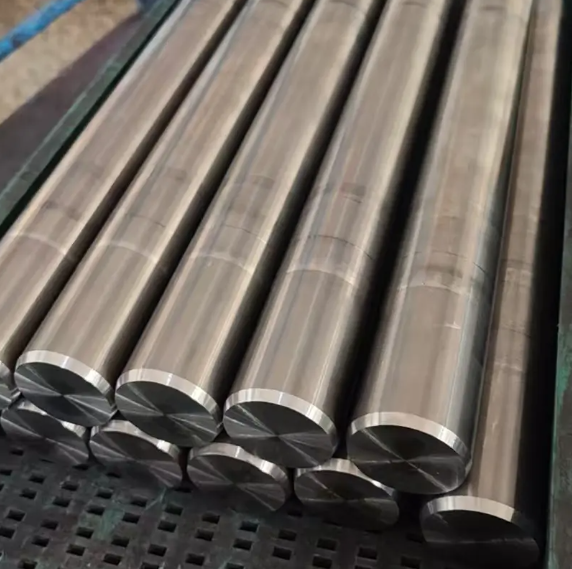
Quick Comparison of Common Machined Metals
The table below provides a practical comparison for common CNC machined metals. Values are generalized because actual cutting performance depends on alloy, condition, machine rigidity, tool geometry, coolant, setup and tolerance requirements.
| Material family | Usinabilité | Strength-to-weight | Résistance à la corrosion | Typical applications | Cost tendency |
|---|---|---|---|---|---|
| Aluminum alloys | Excellent | Haut | Good, especially when anodized | Housings, brackets, aerospace components, heat sinks | Low to medium |
| Acier au carbone | Good to moderate | Moyen | Low without coating | Shafts, plates, fixtures, structural parts | Faible |
| Acier allié | Modéré | Haut | Faible à modéré | Gears, tooling, high-strength mechanical parts | Moyen |
| Acier inoxydable | Moderate to difficult | Medium to high | Haut | Medical, food equipment, marine, chemical processing | Medium to high |
| Brass and bronze | Excellent to good | Moyen | Bon | Bushings, fittings, valves, electrical components | Medium to high |
| Cuivre | Modéré | Moyen | Bon | Bus bars, electrodes, thermal components | Haut |
| Titanium alloys | Difficult | Very high | Excellent | Aérospatiale, implants médicaux, pièces de haute performance | Haut |
| Cast iron | Good, but abrasive | Moyen | Faible à modéré | Machine bases, housings, brake components | Low to medium |
| Alliages de nickel | Very difficult | High at temperature | Excellent | Turbine, oil and gas, chemical processing | Very high |
Aluminum Alloys for CNC Machining
Aluminum is one of the most widely machined metals because it offers low density, excellent strength-to-weight ratio, good thermal conductivity and high cutting speeds. It is commonly used for CNC milled housings, aircraft brackets, robotics components, consumer electronics parts, heat sinks and prototype parts.
Aluminium 6061
6061-T6 is a general-purpose aluminum alloy with good strength, corrosion resistance and anodizing response. It machines cleanly, holds tolerances well and is widely available as plate, bar and extrusion. For many CNC projects, 6061 is the default choice when no special requirement exists.
7075 Aluminum
7075-T6 offers much higher strength than 6061 and is common in aerospace, defense, motorsport and high-load mechanical components. It machines well but material cost is higher, corrosion resistance is lower than 6061, and stress relief may be important for thin or highly pocketed parts.
2024, 5052 and MIC-6 Aluminum
2024 is strong and fatigue resistant but less corrosion resistant. 5052 is commonly used for sheet metal and formed parts but is not usually the first choice for precision CNC machining. MIC-6 cast tooling plate is valued for dimensional stability, flatness and low internal stress, making it suitable for fixtures, vacuum plates and inspection tooling.
Engineering note: aluminum part distortion after machining
Thin-walled aluminum parts can move after roughing because internal stress is released. A practical production method is to rough both sides, leave stock of about 0.2 mm to 0.8 mm depending on part size, allow stress relaxation if necessary, and then finish critical datums in a balanced setup. For aerospace-style pocketed components, symmetrical material removal can reduce flatness variation significantly.
Steel Materials for Machined Parts
Steel is selected when a component requires strength, stiffness, wear resistance, impact resistance or low raw material cost. Machining behavior varies greatly between low-carbon steel, medium-carbon steel, free-machining steel, alloy steel, tool steel and hardened steel.
Low-Carbon and Medium-Carbon Steel
Mild steels such as AISI 1018 are inexpensive and weldable but may produce gummy chips and built-up edge if tooling is not optimized. Medium-carbon steels such as 1045 offer higher strength and better wear resistance. They machine well in normalized or annealed condition and are common for shafts, pins, spacers and mechanical components.
Free-Machining Steel
12L14 and similar free-machining steels include additives that improve chip breaking and tool life. They are excellent for high-volume turned parts, bushings, fasteners and fittings. However, leaded grades may be restricted in certain industries due to environmental or regulatory requirements.
Alloy Steel and Pre-Hardened Steel
4140, 4340 and related alloy steels provide high strength and toughness. In annealed condition they machine reasonably well. In pre-hardened conditions such as 28 to 35 HRC, cutting forces increase and tool wear becomes more important, but machining is still practical with rigid setups and appropriate coated carbide tools.
For precision parts, specify the heat treatment stage clearly. Machining before heat treatment can reduce cutting cost, but heat treatment may cause distortion. Machining after heat treatment improves final dimensional control but increases cycle time and tooling cost.
Stainless Steel Machining Guide
Stainless steels are selected for corrosion resistance, cleanability and strength. They are common in medical devices, food processing equipment, marine hardware, pharmaceutical machinery and chemical systems. The main usinage des métaux challenge is work hardening, especially in austenitic grades.
304 Stainless Steel
304 stainless steel is widely available and corrosion resistant, but it work hardens readily. Tools must cut continuously rather than rub. Sharp carbide tools, positive rake geometry, adequate feed per tooth and stable coolant flow help prevent rapid tool wear.
316 Stainless Steel
316 stainless contains molybdenum for improved corrosion resistance, especially in chloride environments. It is often used in marine, medical and chemical applications. Compared with 304, 316 may be slightly more difficult to machine and more expensive.
303, 17-4 PH and 416 Stainless Steel
303 stainless is more machinable than 304 due to sulfur additions, but corrosion resistance and weldability are reduced. 17-4 PH stainless provides high strength after precipitation hardening and is common in aerospace and medical components. 416 stainless is a free-machining martensitic grade used for shafts, fittings and valve components where corrosion resistance requirements are moderate.
When specifying stainless steel, balance corrosion resistance, machinability and post-processing. A buyer requesting 304 for every stainless component may pay more than necessary if 303 or 416 would meet the actual service condition.
Practical problem: stainless steel tapping failures
A common shop-floor issue is tap breakage in 304 or 316 stainless steel. Causes include undersized drill holes, poor lubrication, excessive spindle speed, chip packing and work-hardened holes from dull drills. Using forming taps where appropriate, thread mills for high-value parts, correct tap drill size and high-pressure coolant can reduce scrap risk. For expensive stainless components, thread milling is often preferred because a broken thread mill is easier to recover than a broken tap.
Titanium, Nickel Alloys and Other Difficult-to-Machine Metals
Titanium and nickel-based superalloys are used where performance matters more than machining cost. They offer excellent strength, temperature resistance, fatigue performance or corrosion resistance, but they require careful process planning.
Alliages de titane
Ti-6Al-4V, also known as Grade 5 titanium, is widely used in aerospace and medical applications. Titanium has low thermal conductivity, so heat stays near the cutting edge. It also has a tendency to gall and can react with tool materials at high temperatures. Successful machining usually requires rigid workholding, sharp tools, high-pressure coolant, moderate cutting speed and consistent chip load.
Nickel-Based Superalloys
Inconel, Hastelloy and similar nickel alloys retain strength at high temperature and resist corrosion, making them suitable for turbine, oil and gas and chemical processing components. They are difficult to machine because they work harden, generate high cutting temperatures and can notch inserts. Ceramic, coated carbide or CBN tooling may be used depending on the operation and hardness.
Magnesium and Zinc Alloys
Magnesium is lightweight and easy to cut, but chip fire risk and dust control require strict safety practices. Zinc alloys can be machined for prototypes, dies and small mechanical parts, but dimensional stability and long-term service temperature should be checked carefully.
For titanium and nickel alloys, the lowest quote is not always the lowest total cost. Scrap from tool failure, chatter, heat damage or incorrect coolant strategy can exceed the material savings from an inexperienced supplier.
Copper, Brass, Bronze and Cast Iron
Non-ferrous metals and cast irons are widely used in electrical, thermal, bearing and structural applications. Their machining behavior differs strongly from aluminum and steel.
Cuivre
Copper is chosen for electrical conductivity and thermal conductivity. Pure copper can be gummy, forming built-up edge and long chips. Sharp tools, polished flutes and suitable coolant help improve finish. Copper alloys such as C110 are common for bus bars, electrodes, heat spreaders and RF components.
Laiton
Brass, especially free-machining brass such as C360, is one of the easiest metals to machine. It produces small chips, excellent surface finish and tight dimensional consistency. It is commonly used for fittings, valve bodies, electrical connectors, threaded inserts and precision turned components.
Bronze
Bronze alloys are used for bushings, bearings, wear plates and marine parts. Some bronze grades machine well, while others can be abrasive or produce challenging chips. Material specification matters because bearing bronze, phosphor bronze and aluminum bronze behave differently.
Fonte
Gray cast iron machines well because graphite in the microstructure provides lubricity and chip breakage. However, it is abrasive and produces fine dust, so machine protection and dust management are important. Ductile iron offers higher strength and toughness but may be more demanding to machine.
Tooling, Cutting Parameters and Coolant Strategy
CNC machining results depend on the interaction between matériel, tool, machine, holder, fixture and programming. Even a highly machinable metal can produce poor parts if the wrong tool geometry or cutting parameters are used.
Tool Materials
High-speed steel is useful for some drilling, tapping and low-volume work, but carbide is the standard for most production CNC machining. Coated carbide tools improve wear resistance and heat resistance. Common coatings include TiN, TiCN, TiAlN, AlTiN and DLC. PCD tools are often used for high-volume aluminum and abrasive non-ferrous materials, while CBN can be used for hardened steels.
Feeds and Speeds
Cutting speed, spindle speed, feed per tooth, axial depth of cut and radial engagement must match the material and tool. Aluminum may allow high surface speeds and aggressive material removal. Stainless steel and titanium require controlled engagement and sufficient feed to avoid rubbing. Hardened steel often benefits from rigid setups, appropriate coatings and smaller stepovers.
Coolant and Lubrication
Flood coolant, mist, minimum quantity lubrication, through-spindle coolant and high-pressure coolant each have advantages. Aluminum often benefits from lubrication to avoid built-up edge. Stainless steel and titanium benefit from heat control and chip evacuation. Cast iron is often machined dry or with careful coolant management because dust and sludge can be problematic.
Stable machining requires chip evacuation and heat control. Many failures blamed on material quality are actually caused by recutting chips, insufficient coolant access, poor tool runout or unstable fixturing.
Data point: why cutting speed cannot be copied between metals
A carbide end mill that runs efficiently at very high surface speed in 6061 aluminum may fail quickly at a fraction of that speed in Ti-6Al-4V. Aluminum transfers heat into the chip and workpiece relatively well, while titanium concentrates heat near the cutting edge. The correct parameter window can differ by several multiples even when the part geometry is identical.
Tolerance, Surface Finish and Dimensional Stability by Material
Material selection affects achievable tolerances and inspection strategy. CNC machines can hold tight tolerances, but metals respond differently to heat, residual stress, clamping force and tool pressure.
| Exigence | Material effect | Recommended action |
|---|---|---|
| Tight flatness | Thin aluminum and stainless parts may warp after roughing | Use stress-relieved stock, balanced roughing and final skim cuts |
| Fine surface finish | Gummy metals may build up on the tool edge | Use sharp tools, correct coating and finishing passes |
| Thread quality | Stainless and titanium increase tap breakage risk | Consider thread milling, forming taps or controlled lubrication |
| Bore accuracy | Thermal expansion and tool deflection affect roundness | Use boring, reaming, honing or grinding where required |
| Cosmetic finish | Some alloys show tool marks or discoloration more readily | Define Ra value, grain direction, bead blasting or anodizing requirements |
For typical CNC machined metal parts, general tolerances such as ±0.1 mm are usually more economical than ±0.01 mm. Ultra-tight tolerances may require secondary grinding, lapping, honing, wire EDM or controlled temperature inspection. Buyers should avoid applying tight tolerances to every dimension unless functionally necessary.
Post-Processing and Finishing Options for Machined Metals
Finishing can improve corrosion resistance, wear resistance, appearance, conductivity or cleanliness. However, finishing can also alter dimensions, edges and surface texture, so it should be included early in the design and purchasing process.
| Finition | Suitable metals | Objectif | Design note |
|---|---|---|---|
| Anodisation | Aluminium | Corrosion resistance, wear resistance, color | Type II adds modest thickness; Type III hardcoat adds more and may affect fits |
| Passivation | Acier inoxydable | Removes free iron and improves corrosion performance | Common for medical, food and corrosion-sensitive parts |
| Black oxide | Steel, stainless steel | Mild corrosion protection and dark appearance | Usually requires oil or sealant for better protection |
| Zinc plating | Acier au carbone | Corrosion protection | Consider hydrogen embrittlement relief for high-strength steels |
| Electroless nickel plating | Steel, aluminum, copper alloys | Uniform corrosion and wear resistance | Good for complex geometries when uniform thickness is needed |
| Bead blasting | Aluminum, stainless steel, titanium | Uniform matte appearance | Can soften sharp edges and change cosmetic texture |
| Heat treatment | Steels, stainless steels, titanium alloys | Strength, hardness or stress relief | Plan for distortion and final machining allowance |
Critical fits, threaded holes, bearing seats and sealing surfaces should be reviewed before finishing. If coating buildup is ignored, a part that passed machining inspection may fail final assembly.
Cost Drivers When Machining Metal Materials
Machined metal part cost is influenced by raw material price, stock availability, material removal rate, tool wear, setup time, tolerance, inspection, finishing and scrap risk. A difficult material with a simple shape may cost less than an easy material with deep pockets, thin walls and multiple precision datums.
Material Price and Availability
Aluminum 6061 and common carbon steels are usually cost-effective and easy to source. Aerospace aluminum, titanium, nickel alloys and certified stainless steels cost more and may have longer lead times. Mill test reports, country-of-origin requirements and aerospace or medical traceability can also affect procurement.
Cycle Time and Tool Wear
Machining time often dominates cost. A metal that allows faster cutting speeds, deeper cuts and reliable unattended operation will usually reduce price. Titanium and nickel alloys increase cost because they require slower parameters and more frequent tool changes.
Design Complexity
Deep cavities, long small-diameter holes, thin ribs, sharp internal corners, undercuts and tight true position tolerances add machining time. Designers can reduce cost by increasing internal radii, allowing standard tool sizes, reducing unnecessary surface finish requirements and using accessible datums.
From a procurement perspective, the most useful RFQ package includes material grade, temper, finish, drawing tolerances, quantity, inspection requirements and application constraints. Missing specifications lead to supplier assumptions, inconsistent quotes and potential rework.
Buyer example: why two quotes for the same drawing can differ
If a drawing states “stainless steel” without grade, one supplier may quote 303 for machinability while another quotes 316 for corrosion resistance. If the part is used in a chloride environment, 303 may fail in service. If corrosion is not critical, 316 may be unnecessary cost. Clear material selection prevents both overengineering and underperformance.
Material Selection Checklist for CNC Machined Metal Parts
Use this checklist before releasing a drawing, ordering prototypes or comparing supplier quotes:
- Define the functional requirement: strength, stiffness, weight, corrosion resistance, conductivity, wear resistance or temperature resistance.
- Specify exact alloy and condition, such as 6061-T6, 7075-T6, 304, 316, 17-4 H900, 4140 pre-hard or Ti-6Al-4V.
- Confirm whether heat treatment is required before machining, after rough machining or after final machining.
- Review whether the part has thin walls, large pockets or high residual-stress risk.
- Apply tight tolerances only to functional features.
- Choose finishing processes early and account for coating thickness.
- Check regulatory requirements such as RoHS, REACH, DFARS, medical traceability or food contact compatibility.
- Consider manufacturability: tool access, internal corner radii, standard hole sizes and fixturing datums.
- For production volumes, ask whether a more machinable alloy can reduce cycle time without compromising performance.
- For prototypes, consider material availability and whether the prototype material must match production material.
A good machining material decision connects product performance with manufacturing reality. Aluminum may be ideal for lightweight housings, stainless steel for corrosion resistance, carbon steel for economical strength, brass for precision fittings, titanium for high-performance applications and nickel alloys for extreme environments. The correct choice depends on service conditions, machining process capability and total cost of ownership.
Conclusion
Metal material selection is one of the most important decisions in CNC machining. Machinability affects cutting speed, tool life, dimensional accuracy, surface finish, lead time and unit cost. Engineers should evaluate mechanical requirements together with manufacturing behavior, while buyers should provide complete specifications to receive accurate and comparable quotes.
For most general pièces métalliques usinées, aluminum 6061, carbon steel, 303 stainless and brass offer economical manufacturability. For demanding applications, 7075 aluminum, 316 stainless, 17-4 PH, 4140 alloy steel, titanium and nickel alloys provide higher performance but require more careful process planning. The strongest material is not always the best material; the best material is the one that meets performance requirements with reliable, repeatable and cost-effective machining.