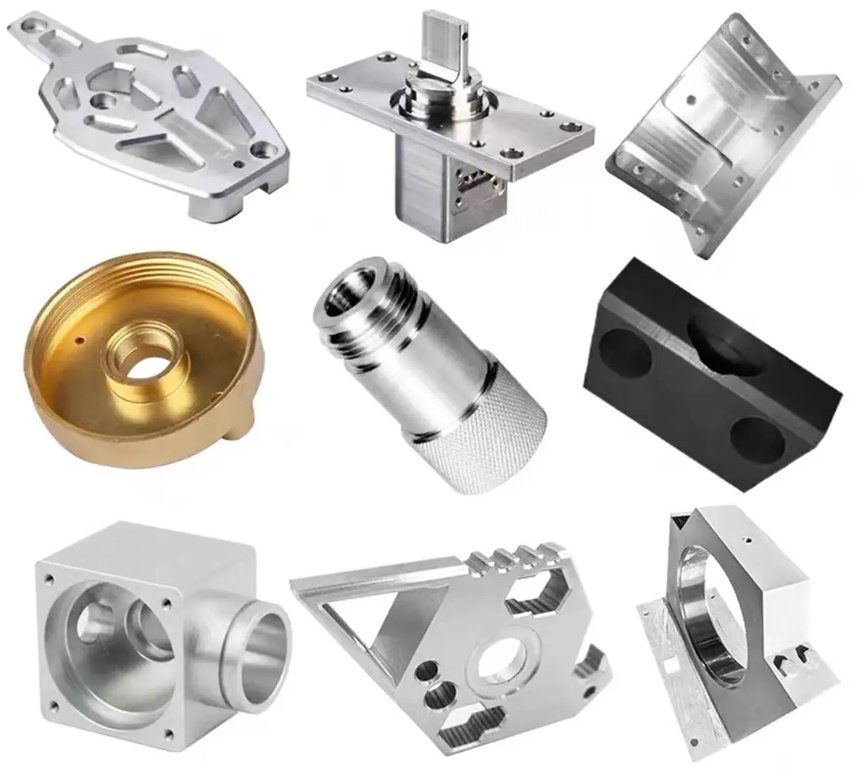
This metal processing guide explains how metals are transformed into usable parts, how processing differs from machining, and how engineers, buyers and manufacturers can select the right route for strength, accuracy, lead time and cost.
Metal processing covers a wide range of operations, including casting, forging, rolling, extrusion, stamping, welding, heat treatment, surface finishing and near-net-shape manufacturing. Metal machining, such as CNC milling, turning, drilling, grinding and EDM, is often used after primary processing to achieve tighter dimensions or better surface finish.
What Is Metal Processing?
Metal processing is the industrial conversion of raw metal into intermediate forms, finished components or assemblies. It may change the metal’s shape, microstructure, mechanical properties, surface condition or dimensional accuracy. Common input forms include ingots, billets, slabs, sheet, plate, bar, tube, wire, castings and forgings.
In engineering practice, metal processing is not a single operation. A typical production route may include melting, forming, heat treatment, machining, coating and inspection. For example, an automotive control arm may begin as aluminum alloy, be forged to improve grain flow, heat treated to reach target strength, CNC machined at mounting surfaces, then anodized or coated for corrosion resistance.
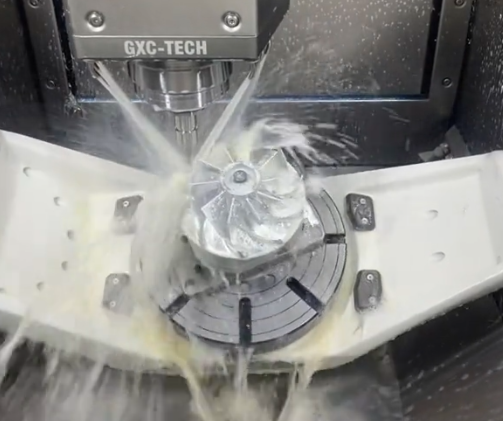
Metal Processing vs Metal Machining
The difference between metal processing and metal machining is important for cost estimation, design for manufacturability and supplier selection. Metal processing changes a workpiece by forming, shaping, joining, treating or finishing it, while metal machining is a subtractive operation that removes material to create the final geometry.
In simple terms, metal processing is the broader manufacturing category; metal machining removes material with controlled cutting, abrasion or electrical discharge. Machining can be part of a metal processing workflow, but not all metal processing is machining.
| Comparison Point | Metal Processing | Metal Machining |
|---|---|---|
| Primary purpose | Shape, form, join, heat treat or finish metal | Remove material to achieve precise geometry |
| Typical methods | Casting, forging, rolling, extrusion, stamping, welding, heat treatment, coating | CNC milling, turning, drilling, boring, grinding, EDM, broaching |
| Material efficiency | Often high when near-net-shape methods are used | Can generate significant chips, especially from billet or plate |
| Dimensional precision | Varies by method; often moderate before secondary operations | High; common tolerances range from ±0.005 mm to ±0.1 mm depending on process and part size |
| Best use case | High-volume blanks, structural parts, improved grain flow or material properties | Precision features, tight fits, threaded holes, sealing surfaces and final finishing |
| Cost driver | Tooling, dies, molds, furnace cycles, material yield and batch size | Machine time, setup time, tool wear, programming, fixture complexity and scrap rate |
When metal processing is the better primary route
Use casting, forging, extrusion, stamping or powder metallurgy when the part can be produced close to final shape, when grain structure matters, or when volume justifies tooling. For example, a forged steel connecting rod may have better fatigue strength than a fully machined part because the grain flow follows the load path.
When machining should dominate the route
Use machining when annual volume is low, geometry changes frequently, tolerances are tight, or tooling investment is not justified. CNC machining is often preferred for prototypes, aerospace brackets, precision housings, medical instruments and replacement parts.
Major Types of Metal Processing
The right metal manufacturing method depends on material grade, part geometry, mechanical requirements, production volume and inspection criteria. In most real projects, the best result comes from combining multiple methods instead of relying on only one process.
Casting
Casting melts metal and pours it into a mold. It is suitable for complex shapes, internal cavities and medium-to-high-volume production. Common casting processes include sand casting, die casting, investment casting, permanent mold casting and centrifugal casting.
Aluminum die casting is widely used for housings, covers, heat sinks and automotive components. Investment casting is common for stainless steel, superalloy and aerospace parts where fine detail and better surface quality are required.
Forging
Forging compresses metal under high force to improve shape and internal grain structure. It is used for shafts, gears, crankshafts, hooks, valves, connecting rods and high-strength structural components.
Compared with casting, forging usually improves fatigue resistance and impact strength, but it requires dies and may need machining after forging to achieve final dimensions.
Rolling
Rolling reduces metal thickness or changes cross-section by passing it through rollers. Hot rolling is efficient for structural steel, plate and bars, while cold rolling improves dimensional control, surface finish and mechanical properties.
Extrusion
Extrusion forces metal through a die to create continuous profiles. Aluminum extrusion is common for frames, rails, heat sinks, enclosures and architectural components. The method is efficient when a consistent cross-section is required over long lengths.
Sheet Metal Processing
Sheet metal processing includes laser cutting, punching, bending, stamping, deep drawing, hemming, riveting and welding. It is widely used for brackets, panels, cabinets, enclosures, battery trays and appliance parts.
Welding and Joining
Welding joins metal by heat, pressure or both. Common methods include MIG welding, TIG welding, resistance spot welding, laser welding, friction stir welding and electron beam welding. Mechanical joining methods include riveting, clinching, bolting and press fitting.
Heat Treatment
Heat treatment changes microstructure and mechanical properties. Common processes include annealing, normalizing, quenching, tempering, solution treatment, aging, carburizing, nitriding and stress relieving. Heat treatment can improve hardness, ductility, fatigue strength, wear resistance or dimensional stability.
Surface Treatment and Finishing
Surface finishing improves corrosion resistance, appearance, wear behavior or friction. Common options include anodizing, passivation, electroplating, electroless nickel plating, powder coating, black oxide, phosphating, polishing, bead blasting, shot peening and thermal spray coating.
Common Metal Machining Methods Used After Processing
Machining is often the final step that turns a processed blank into a functional precision part. For procurement teams, the key question is not whether processing or machining is “better,” but how much machining is needed after primary processing.
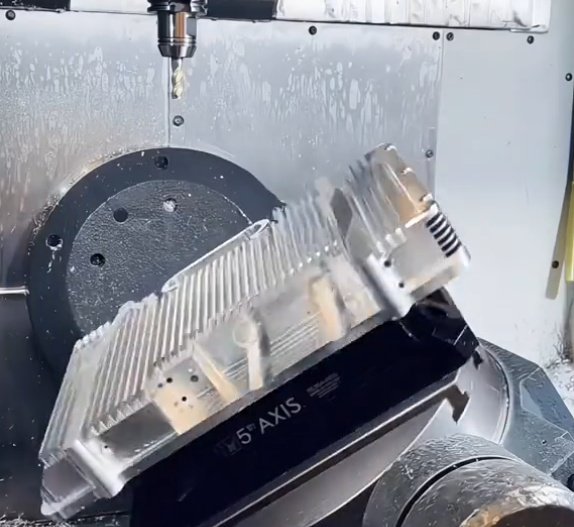
- CNC milling: Produces slots, pockets, faces, contours and 3-axis to 5-axis surfaces.
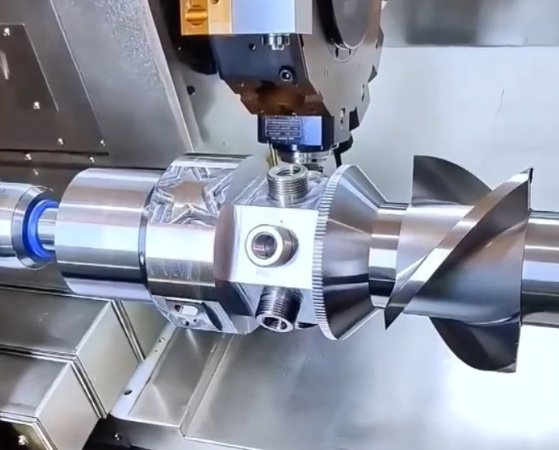
- CNC turning: Produces cylindrical parts such as shafts, pins, bushings, fittings and threaded components.
- Drilling and tapping: Creates holes, threads and fastening features.
- Grinding: Achieves tight tolerances, flatness, roundness and fine surface roughness.
- EDM: Cuts hard metals, sharp internal corners, dies and complex profiles using electrical discharge.
- Broaching: Produces keyways, splines and high-volume internal profiles.
- Honing and lapping: Improves bore geometry, sealing surfaces and ultra-fine finish.
How to Choose the Right Metal Processing Route
A reliable selection process begins with the final part requirements, not with the manufacturing equipment. Engineers should define load case, operating temperature, corrosion environment, dimensional tolerance, surface roughness, annual volume and target unit cost before selecting casting, forging, extrusion, stamping or machining.
As a practical rule, start with the process that creates the nearest net shape, then add machining only where accuracy, sealing, assembly or surface finish requires it.
| Design Requirement | Likely Preferred Process | Reason |
|---|---|---|
| Complex internal cavity | Casting or additive manufacturing | Creates shapes that are difficult or expensive to machine from solid stock |
| High fatigue strength | Forging plus machining | Improved grain flow and reduced internal defects |
| Long constant profile | Extrusion | Efficient continuous production with good material yield |
| Thin enclosure or bracket | Sheet metal cutting and bending | Fast production and low material waste |
| Very tight tolerance | CNC machining or grinding | Better dimensional control than most primary forming methods |
| High-volume small part | Stamping, cold heading or powder metallurgy | Low cycle time after tooling is built |
Engineering example: reducing cost by changing the process route
A machined aluminum housing originally made from 6061-T6 billet required 48 minutes of CNC time and removed approximately 62% of the starting material as chips. By redesigning the blank as an aluminum die casting with machining only on sealing faces, threaded holes and bearing seats, CNC time dropped to 14 minutes. Even with die tooling included, the break-even point occurred at about 3,800 units, and unit cost decreased by 28% at 10,000 units per year.
Material Selection for Metal Processing
Material selection affects forming load, tool wear, heat treatment response, corrosion resistance, weldability, machinability and finished part cost. A technically correct process can still fail if the alloy is poorly matched to manufacturing conditions.
Carbon Steel and Alloy Steel
Carbon steel is cost-effective and widely available. Low-carbon steels are easier to form and weld, while medium-carbon and alloy steels can be heat treated for strength and wear resistance. Common applications include shafts, gears, brackets, frames, fasteners and machine components.
Stainless Steel
Stainless steel provides corrosion resistance and strength. Austenitic grades such as 304 and 316 are common for food, medical, marine and chemical environments. Martensitic and precipitation-hardening stainless steels are used when higher hardness or strength is required.
Aluminum Alloys
Aluminum offers low density, good corrosion resistance and excellent machinability. 6061 is common for CNC machining and structural parts, 7075 is used for high-strength applications, and ADC12 or A380 are common die casting alloys.
Titanium Alloys
Titanium provides high strength-to-weight ratio and corrosion resistance, but it is expensive and difficult to machine due to low thermal conductivity and work hardening. It is common in aerospace, medical implants, marine and high-performance applications.
Copper, Brass and Bronze
Copper alloys are selected for electrical conductivity, thermal conductivity, corrosion resistance and bearing behavior. Brass machines well and is used for fittings, valves, connectors and decorative components. Bronze is common in bushings, bearings and wear plates.
Tolerances, Surface Roughness and Dimensional Control
Tolerance planning is one of the most common sources of cost escalation in metal parts. Overly tight tolerances increase inspection time, machining time, tool wear and rejection risk. For most assemblies, not every surface needs precision machining.
The best engineering drawings separate critical-to-function features from non-critical features. Tolerance stack-up should be checked across mating parts, fixtures, fasteners and thermal expansion conditions.
| Process | Typical Tolerance Range | Typical Surface Roughness | Notes |
|---|---|---|---|
| Sand casting | Approximately ±0.5 mm to ±3.0 mm | Rough to moderate | Good for large parts; machining often required on functional faces |
| Die casting | Approximately ±0.05 mm to ±0.25 mm for selected features | Moderate to good | Excellent for high-volume aluminum or zinc parts |
| Sheet metal bending | Approximately ±0.1 mm to ±0.5 mm depending on thickness and tooling | Depends on sheet finish | Bend radius, grain direction and springback must be controlled |
| CNC milling | Approximately ±0.01 mm to ±0.1 mm | Ra 0.8 to 3.2 µm commonly achievable | Depends on machine, fixture, cutter, material and feature geometry |
| Grinding | Approximately ±0.002 mm to ±0.02 mm | Ra 0.1 to 0.8 µm commonly achievable | Used for precision flatness, roundness and finish |
Engineering note: distortion after heat treatment
Distortion is common when parts have uneven wall thickness, sharp transitions or unbalanced machining stock. A steel gear blank may grow, shrink or warp after carburizing and quenching. A common control strategy is to leave grinding allowance before heat treatment, stress-relieve after rough machining, then finish grind bores, faces and gear teeth after hardening.
Cost Drivers in Metal Processing
Metal part cost is not only the price per kilogram of raw material. Buyers should evaluate total landed part cost, including material yield, tooling, setup, cycle time, machining, scrap, heat treatment, coating, inspection, packaging, logistics and supplier risk.
- Material utilization: Forging, casting and extrusion may reduce waste compared with machining from solid billet.
- Tooling investment: Dies and molds increase upfront cost but reduce unit cost at volume.
- Cycle time: High-speed stamping may produce parts in seconds, while complex 5-axis machining may require hours.
- Secondary operations: Heat treatment, deburring, polishing, coating and inspection can exceed the cost of primary forming.
- Scrap and rework: Tight tolerances, difficult alloys and unstable processes increase hidden costs.
- Quality documentation: PPAP, AS9102 first article inspection, material certificates and traceability add cost but reduce supply chain risk.
Quality Control and Inspection
Quality control for metal processing must verify both geometry and material integrity. A part can meet dimensions but fail due to porosity, cracks, incorrect hardness, poor weld penetration or coating defects.
The inspection strategy should match the risk. Aerospace, automotive, energy and medical applications often require tighter process control than general industrial parts.
Common Inspection Methods
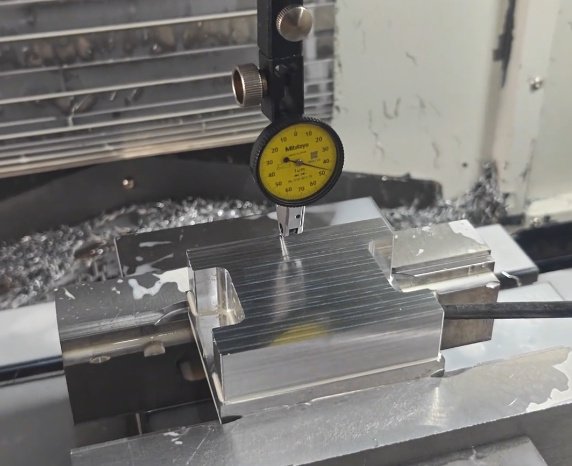
- Dimensional inspection: Calipers, micrometers, height gauges, CMM, optical measurement and laser scanning.
- Material verification: Mill test certificates, PMI testing, chemical analysis and hardness testing.
- Non-destructive testing: Dye penetrant, magnetic particle, ultrasonic testing, radiographic testing and eddy current testing.
- Surface inspection: Roughness measurement, coating thickness, salt spray testing, adhesion testing and visual standards.
- Process capability: Cp, Cpk, control charts and first article inspection for repeat production.
Buyer and Engineer Checklist Before Ordering Metal Parts
Clear requirements reduce quotation errors, production delays and quality disputes. Before sending a request for quotation, prepare a complete technical package.
- 3D CAD file in STEP, Parasolid or native format.
- 2D drawing with tolerances, datums, material grade and surface finish.
- Annual volume, batch size and target delivery schedule.
- Required process route if already specified, such as casting plus machining or forging plus heat treatment.
- Critical-to-quality dimensions and inspection requirements.
- Heat treatment specification, hardness range and case depth if applicable.
- Surface treatment requirements such as anodizing, passivation, powder coating or plating.
- Industry standards, such as ASTM, ISO, SAE, AMS, ASME, AWS or customer-specific requirements.
- Packaging, labeling, traceability and documentation requirements.
Practical Design Guidelines for Better Metal Processing
Design for manufacturability can reduce cost without weakening the part. The following guidelines are useful across casting, forging, sheet metal fabrication and CNC machining.
- Use generous internal radii to reduce stress concentration and improve material flow.
- Avoid unnecessary deep pockets, thin walls and long unsupported features.
- Keep wall thickness as uniform as possible in castings to reduce shrinkage and porosity.
- Use standard material sizes, fasteners, threads and tool access directions where possible.
- Specify tight tolerances only on functional features.
- Design inspection datums that match assembly and manufacturing references.
- Allow realistic machining stock on castings, forgings and welded structures.
- Consider corrosion, galvanic compatibility and operating environment early in the design stage.
Conclusion: Build the Process Around the Part Requirement
Metal processing is the complete set of manufacturing operations used to transform metal into functional parts, while metal machining is a precision subtractive method within that broader category. The most efficient production plan often combines a near-net-shape process such as casting, forging, extrusion or stamping with targeted CNC machining and controlled finishing.
For engineers and buyers, the best results come from aligning material, geometry, tolerance, volume and quality requirements before production starts. A well-selected metal processing route can reduce material waste, shorten machining time, improve mechanical performance and create a more stable supply chain.