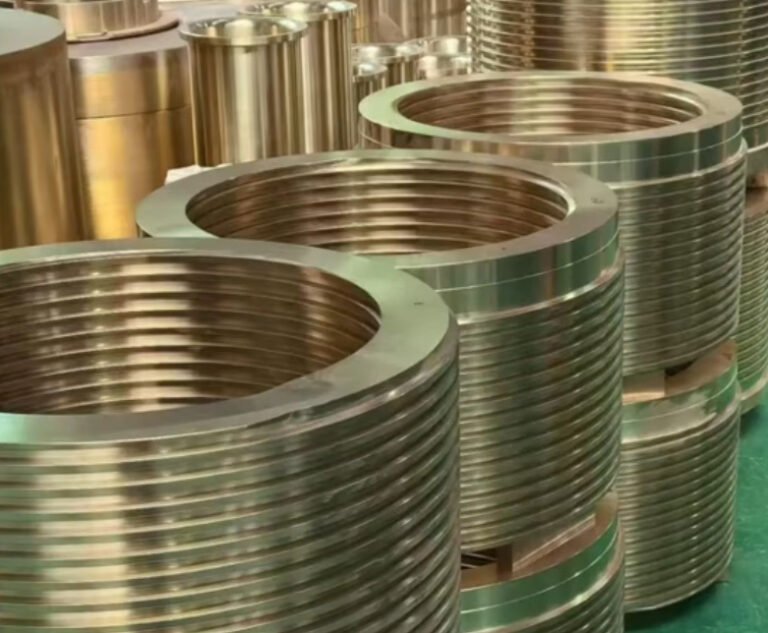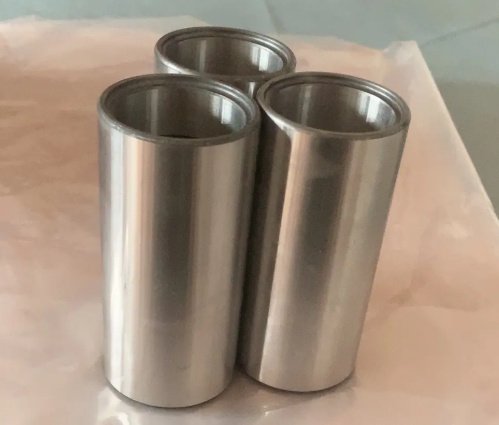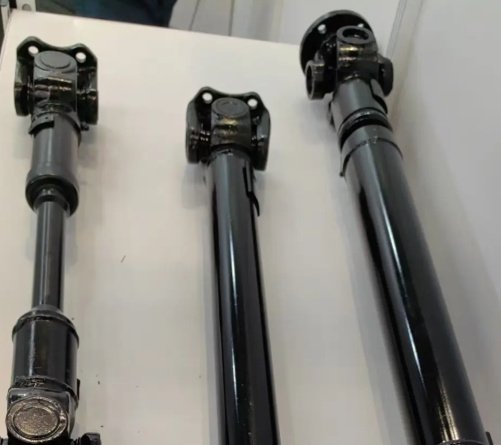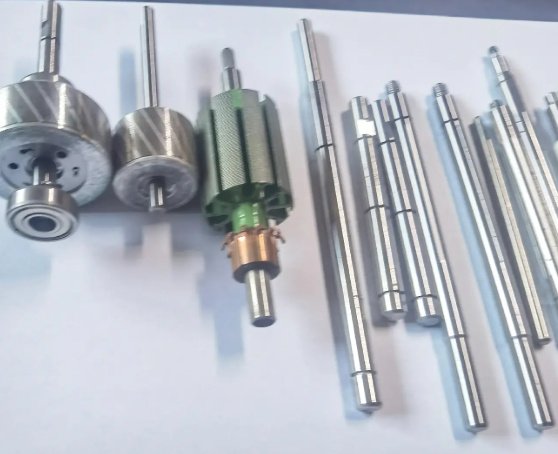
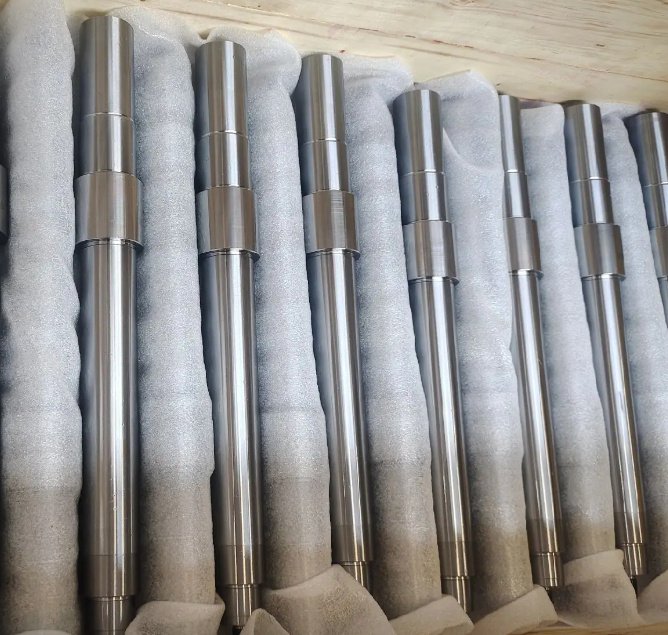
A steel shaft is a rotating or stationary machine element used to transmit torque, support radial loads, locate bearings, carry gears, connect couplings, or guide linear motion. For engineers and buyers, the key challenge is not simply finding a round bar; it is specifying the right material, dimensional tolerance, surface finish, hardness, straightness, and machining process for the duty cycle. This page explains how steel Shafts are selected, compared, manufactured, inspected, and purchased for industrial machinery.
Steel shafts are widely used in gearboxes, electric motors, pumps, conveyors, agricultural equipment, robotics, packaging machines, automotive systems, mining equipment, and general power transmission assemblies. Their popularity comes from a practical balance of strength, machinability, wear resistance, fatigue performance, availability, and cost.
- Primary functions: torque transmission, bearing support, alignment, rotary motion, linear guidance, and load transfer.
- Common forms: precision ground shafts, keyed shafts, stepped shafts, splined shafts, hollow shafts, threaded shafts, and induction hardened shafts.
- Important specifications: steel grade, diameter tolerance, runout, straightness, surface roughness, heat treatment, hardness depth, coating, and inspection method.
- Buyer focus: total installed cost, lead time, repeatability, material traceability, and compatibility with bearings, seals, gears, and couplings.
What Is a Steel Shaft?
A steel shaft is typically a cylindrical component made from carbon steel, alloy steel, bearing steel, tool steel, or stainless steel. It may be supplied as a simple cut-to-length bar or as a fully machined part with shoulders, threads, grooves, keyways, splines, holes, flats, bearing journals, and surface treatment.
In rotating machinery, the shaft must handle torque transfer and bending loads while maintaining alignment. In linear motion systems, a shaft may act as a guide rail where hardness, straightness, and surface finish are critical for bearing life. In high-cycle applications, fatigue resistance and stress concentration control are often more important than static tensile strength alone.
Common Types of Steel Shafts
Steel shafts can be classified by geometry, function, manufacturing route, and surface condition. The correct type depends on how the shaft interfaces with bearings, hubs, sprockets, gears, seals, and drive components.
| Type | Description | Typical Use | Key Buying Criteria |
|---|---|---|---|
| Precision Ground Shaft | Diameter ground to tight tolerance with controlled surface roughness. | Linear bearings, rollers, guide shafts, automation equipment. | Diameter tolerance, straightness, hardness, Ra value. |
| Keyed Shaft | Includes one or more keyways for torque transmission through hubs or pulleys. | Conveyors, pumps, gear drives, agricultural machinery. | Keyway standard, depth, corner radius, runout after milling. |
| Stepped Shaft | Multiple diameters for bearings, gears, spacers, seals, and retaining features. | Gearboxes, motor rotors, reducers, spindle assemblies. | Shoulder squareness, concentricity, fillet radius, bearing fits. |
| Splined Shaft | External or internal spline teeth transmit high torque with axial sliding capability. | Automotive drivetrains, hydraulic motors, PTO systems. | Spline profile, tooth hardness, fit class, flank wear resistance. |
| Hollow Shaft | Bored or tubular shaft that reduces weight or allows fluid, cable, or another shaft to pass through. | Robotics, spindles, servo systems, hollow-bore gearboxes. | Wall thickness, balance, torsional stiffness, bore concentricity. |
| Induction Hardened Shaft | Surface hardened while maintaining a tougher core. | Linear motion rails, wear-prone rotating shafts, sliding contact systems. | Case depth, surface hardness, straightness after hardening. |
Steel Shaft Materials and Grade Selection
Material selection should be based on strength, fatigue life, wear resistance, corrosion exposure, weldability, machinability, heat treatment response, and cost. For many industrial steel Shafts, medium carbon steel such as AISI 1045 or C45 is a practical starting point. Higher-load or impact applications may require alloy steels such as 4140, 4340, or 42CrMo4.
| Material | Common Equivalents | Typical Strength and Features | Best-Fit Applications |
|---|---|---|---|
| Low Carbon Steel | AISI 1018, C15, EN1A variants | Good machinability and weldability; moderate strength. | Light-duty shafts, spacers, simple pins, low-load rotating parts. |
| Medium Carbon Steel | AISI 1045, C45, S45C | Good balance of strength, machinability, and cost; can be induction hardened. | General machinery shafts, rollers, keyed transmission shafts. |
| Chromium-Molybdenum Alloy Steel | AISI 4140, 42CrMo4, SCM440 | High tensile strength and toughness after quench and temper. | High-torque shafts, gear shafts, hydraulic shafts, impact-loaded parts. |
| Nickel-Chromium-Molybdenum Steel | AISI 4340, 34CrNiMo6 | Excellent toughness and fatigue resistance for demanding duty. | Aerospace tooling, heavy equipment, critical rotating shafts. |
| Bearing Steel | AISI 52100, 100Cr6 | High hardness and wear resistance; requires controlled heat treatment. | Precision guide shafts, bearing-contact components. |
| Stainless Steel | 304, 316, 17-4PH, 420 | Corrosion resistance varies by grade; 17-4PH offers high strength. | Food equipment, marine systems, washdown environments, medical machinery. |
For shafts exposed to repeated bending, alternating torque, shock loading, or keyway stress concentration, fatigue strength should be evaluated along with yield strength. A higher tensile grade may not solve a fatigue problem if the shaft has sharp shoulders, poor surface finish, misalignment, residual stress, or inadequate fillet radii.
Material selection note for buyers and engineers
If the shaft is used with rolling bearings, confirm the bearing journal tolerance and hardness requirement before choosing the material. If the shaft is welded, avoid specifying high-carbon or high-alloy heat-treated steel without a welding procedure. If corrosion is the main failure mode, stainless steel or coated carbon steel may be more economical than frequent replacement.
Steel Shafts Compared with Alternative Materials
Steel is not always the only option. Aluminum, stainless steel, cast iron, and composites can be valid in specific designs. However, for many industrial power transmission applications, steel remains the default because it provides high modulus of elasticity, predictable machining behavior, broad grade availability, and good compatibility with heat treatment.
| Material | Advantages | Limitations | When It Is Preferred |
|---|---|---|---|
| Carbon or Alloy Steel | High strength, high stiffness, good fatigue performance, wide machining options, cost-effective. | Needs coating or alloy selection for corrosion resistance. | Most torque, bearing, gearbox, conveyor, and mechanical drive shafts. |
| Stainless Steel | Corrosion resistance, hygienic surface, suitable for washdown. | Higher cost; some grades have lower machinability or galling risk. | Food processing, marine, chemical, medical, outdoor equipment. |
| Aluminum | Low weight, good corrosion resistance, easy machining. | Lower stiffness and wear resistance than steel; larger diameter may be needed. | Lightweight equipment, low-torque rotating assemblies, prototypes. |
| Cast Iron | Good damping and compressive strength. | Brittle compared with forged or rolled steel; less suitable for high shock loading. | Some machine tool or low-speed support applications. |
| Composite | Very low weight, corrosion resistance, tailored stiffness. | Higher design complexity; joining and bearing interfaces require care. | Specialized aerospace, racing, or high-speed lightweight systems. |
A common comparison is steel versus aluminum. Aluminum has roughly one-third the density of steel, but its elastic modulus is also about one-third of steel. For a shaft with the same diameter, aluminum will deflect more under the same load. If stiffness and alignment are critical, a steel shaft can deliver lower total installed cost even when weight reduction seems attractive.
Machining Processes for Steel Shafts
Shaft quality is strongly influenced by the shaft machining route. A high-grade material can still fail prematurely if the part has poor concentricity, grinding burn, sharp keyway corners, excessive runout, or residual stress from aggressive cutting.
Typical manufacturing sequence
- Material preparation: select hot-rolled, cold-drawn, peeled, turned, ground, or forged bar stock based on tolerance and mechanical requirements.
- Cutting and blanking: saw to length with allowance for facing, center drilling, heat treatment distortion, and grinding stock.
- Rough turning: remove excess material and form main diameters, shoulders, relief grooves, and preliminary features.
- Stress relieving: reduce distortion risk for long, slender, or heavily machined shafts.
- Heat treatment: normalize, quench and temper, induction harden, carburize, nitride, or through harden depending on service conditions.
- Finish machining: precision turning, cylindrical grinding, centerless grinding, thread cutting, keyway milling, spline cutting, broaching, drilling, or tapping.
- Surface finishing: black oxide, phosphate, zinc plating, chrome plating, nickel plating, nitriding, passivation, polishing, or anti-rust oil.
- Inspection: verify dimensions, runout, straightness, hardness, surface roughness, case depth, and material certificates.
In bearing locations, ground bearing journals are often specified to control fit, noise, vibration, seal performance, and bearing service life. For keyways and splines, the machining process should minimize sharp transitions because stress concentration can become the initiating point for fatigue cracks.
Heat treatment and surface hardening
Heat treatment changes the mechanical properties of steel shafts. Quench and temper improves strength and toughness. Induction hardening creates a hard wear surface with a tough core. Nitriding improves wear and fatigue resistance with limited distortion. Carburizing is used where a deep hardened case and tough core are required.
For wear-prone shafts, case hardening depth should be specified with test method and location, not only surface hardness. For example, an induction hardened guide shaft may require 58 to 62 HRC at the surface with an effective case depth verified at a defined hardness threshold.
Machining risk: long and slender shafts
Long steel shafts with a high length-to-diameter ratio are prone to deflection during turning and grinding. Steady rests, follow rests, center support, balanced stock removal, stress relieving, and controlled grinding passes help reduce taper, chatter, and runout. For precision shafts, straightness should be checked after heat treatment and after final grinding.
Tolerances, Fits, Runout and Inspection
Shaft tolerance should be chosen according to the mating component. Bearings, bushings, couplings, seals, gears, timing pulleys, and sprockets all require different fits. Overly loose fits can cause fretting, vibration, and misalignment. Overly tight fits can damage bearings or make assembly difficult.
| Inspection Item | Why It Matters | Typical Method |
|---|---|---|
| Diameter | Controls bearing fit, coupling fit, and interchangeability. | Micrometer, air gauge, coordinate measuring machine. |
| Straightness | Reduces vibration, binding, and uneven bearing load. | V-block and dial indicator, optical measurement, CMM. |
| Runout | Controls concentricity between journals, gears, and shoulders. | Between-centers measurement with dial indicator. |
| Surface Roughness | Affects bearing life, seal wear, lubrication film, and fatigue strength. | Surface roughness tester, profilometer. |
| Hardness | Confirms heat treatment and wear resistance. | Rockwell, Vickers, Brinell, microhardness traverse. |
| Material Verification | Prevents grade mix-up and supports traceability. | Mill certificate, PMI testing, chemical analysis. |
For production parts, GD&T and inspection reports help remove ambiguity between buyer and manufacturer. Critical features may include total indicated runout, cylindricity, perpendicularity of shoulders, true position of cross holes, and profile of splines.
Typical tolerance references
Common references include ISO 286 for limits and fits, ANSI B4.1 for preferred limits and fits, DIN 6885 for parallel keys and keyways, ISO 14 and ANSI B92.1 for splines, ASTM A108 for cold-finished carbon steel bars, ASTM A322 for alloy steel bars, and SAE J404 for chemical composition of SAE alloy steels. The final drawing should always define the required standard, revision, and acceptance criteria.
Engineering Example: Reducing Shaft Deflection in a Conveyor Drive
Consider a conveyor roller shaft made from normalized AISI 1045 steel. The shaft span between bearing centers is 850 mm, and the estimated central radial load is 2.2 kN. Using a simplified simply supported beam model with a central load, elastic modulus of steel near 200 GPa, and a solid circular shaft:
- 40 mm diameter shaft: calculated mid-span deflection is approximately 1.12 mm.
- 45 mm diameter shaft: calculated mid-span deflection is approximately 0.70 mm.
- Result: increasing diameter from 40 mm to 45 mm reduces calculated deflection by about 38%.
The result occurs because bending stiffness for a solid round shaft is proportional to diameter to the fourth power. A modest diameter increase can deliver a large stiffness improvement. However, this may also require larger bearings, seals, hubs, and housings. Therefore, the best engineering choice considers shaft stiffness, bearing size, assembly envelope, weight, cost, and available machining capacity.
In the same example, calculated bending stress also decreases significantly when diameter increases. This can improve fatigue margin, especially if the shaft includes keyways, snap-ring grooves, shoulders, or surface damage from handling. Real designs should also consider dynamic loading, belt tension variation, shock factor, misalignment, bearing spacing, corrosion, and start-stop frequency.
Procurement Criteria for Industrial Steel Shafts
Buyers often compare suppliers by unit price, but the lowest shaft price does not always produce the lowest machine cost. Delayed assembly, inconsistent fits, undocumented material, uncontrolled straightness, and poor packaging can increase rework and downtime. For repeat orders, stable process capability is often more valuable than a one-time low quotation.
Information to include in a shaft drawing or purchase specification
- Material grade, equivalent standard, and required certificate type.
- Heat treatment condition, hardness range, case depth, and test location.
- Overall length, diameter tolerances, shoulder locations, chamfers, radii, grooves, and thread standards.
- Keyway, spline, flat, cross-hole, or internal bore dimensions.
- Bearing fit class and seal-contact surface finish.
- Runout, straightness, concentricity, perpendicularity, and balance requirements.
- Surface finish, coating, corrosion protection, and packaging method.
- Required inspection report, material traceability, and lot identification.
For purchasing teams, traceability and repeatability are especially important when shafts are safety-related, used in high-speed machinery, exported to regulated markets, or installed in equipment with expensive downtime.
Cost drivers
| Cost Driver | Effect on Price and Lead Time | Engineering Consideration |
|---|---|---|
| Material Grade | Alloy and stainless steels usually cost more than carbon steel. | Use higher grades only where strength, toughness, or corrosion resistance justifies them. |
| Tolerance | Tighter tolerance increases grinding, inspection, and scrap risk. | Apply tight tolerance only to functional surfaces. |
| Heat Treatment | Adds process time and may require straightening or finish grinding. | Specify hardness and case depth according to actual load and wear conditions. |
| Length-to-Diameter Ratio | Long slender shafts are harder to machine straight. | Review support points, deflection, packaging, and handling requirements. |
| Keyways and Splines | Increase machining operations and inspection complexity. | Control stress concentration and fit standard. |
| Surface Finish | Fine Ra values may require grinding, polishing, or superfinishing. | Match finish to bearing, seal, and fatigue requirements. |
Design Considerations That Improve Shaft Life
A durable shaft design depends on geometry as much as material. Many failures start at stress risers such as sharp shoulders, snap-ring grooves, keyway ends, thread roots, drilled holes, or corrosion pits. Good engineering practice reduces peak stress and improves surface integrity.
- Use generous fillet radii: larger radii reduce stress concentration, but must still clear bearings and mating parts.
- Avoid abrupt diameter changes: step transitions should be designed with relief grooves or radii where possible.
- Control keyway geometry: rounded keyway ends and proper cutter selection reduce crack initiation risk.
- Protect seal surfaces: hard, smooth, corrosion-resistant seal lands prevent leakage and rapid seal wear.
- Balance rotating shafts: dynamic balancing may be needed for high-speed or long rotating assemblies.
- Prevent fretting: proper interference fits, surface finish, and anti-fretting measures reduce red oxide debris and looseness.
- Specify packaging: precision ground shafts should be protected from corrosion, bending, nicks, and abrasive contamination during transport.
Relevant Standards and Terminology
Referencing recognized standards improves communication between engineering, purchasing, quality control, and manufacturing. The exact standard depends on region, material, and application.
- ASTM A108: cold-finished carbon and alloy steel bars.
- ASTM A322: alloy steel bars for general industrial use.
- ISO 286: system of limits and fits for linear sizes.
- DIN 6885: parallel keys and keyways.
- ANSI B92.1: involute splines and inspection practices.
- ISO 1940 / ISO 21940: balance quality requirements for rotors.
- ASTM E18: Rockwell hardness testing.
- ISO 4287 and ISO 4288: surface texture parameters and measurement rules.
Semantic terms often associated with steel shaft specification include shafting, turned shaft, ground shaft, motor shaft, drive shaft, transmission shaft, gear shaft, bearing journal, keyseat, spline, shoulder, fillet radius, runout, straightness, cylindricity, surface roughness, case depth, induction hardening, quench and temper, nitriding, corrosion protection, and material certificate.
Summary
Steel shafts are essential components in power transmission, motion control, and industrial machinery. The best-performing shaft is the result of coordinated decisions about material grade, diameter, geometry, tolerance, machining process, heat treatment, surface finish, and inspection. When comparing suppliers or design options for steel Shafts, evaluate not only the part price but also fit reliability, fatigue performance, documentation, lead time, and long-term machine uptime.