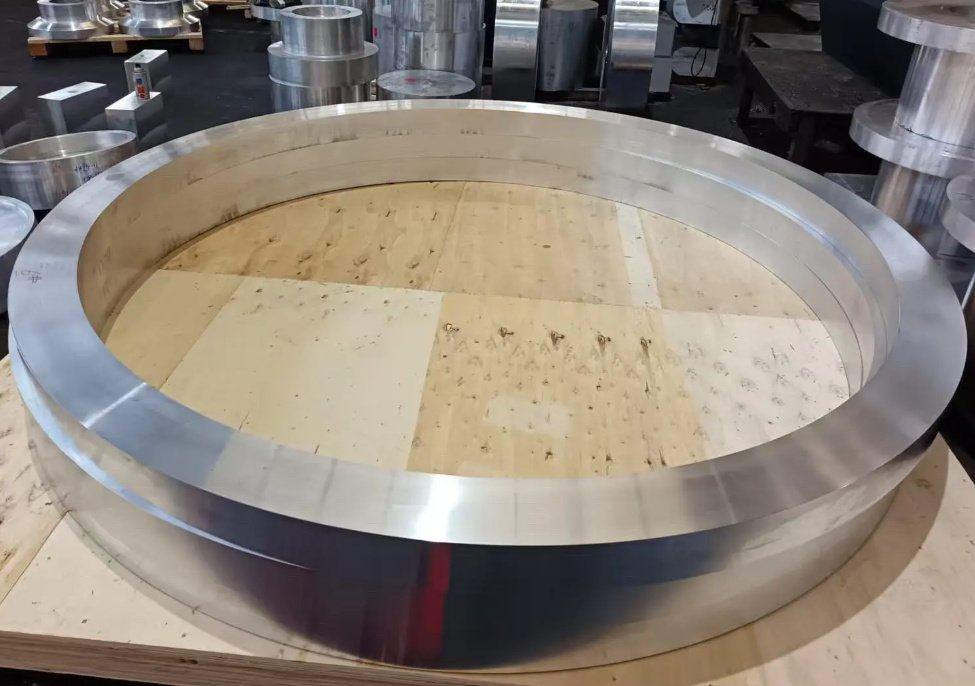
2024 aluminum is a high-strength, heat-treatable aluminum-copper alloy widely used in aerospace structures, precision machined components, high-load fittings and transportation parts. In specifications and purchase documents, it may appear as 2024 aluminum, Aluminum 2024, Al 2024, AA2024, UNS A92024 or al alloy 2024.
The alloy is selected when designers need high strength-to-weight ratio, good fatigue resistance and predictable mechanical performance after heat treatment. Its main limitation is corrosion resistance, which is lower than that of 5xxx and 6xxx aluminum alloys unless the material is clad, anodized, painted or otherwise protected.
What Is 2024 Aluminum?
2024 aluminum belongs to the 2xxx aluminum alloy series, where copper is the principal alloying element. Copper increases strength through precipitation hardening, especially in T3, T351, T4, T6 and T851 conditions. Because of this strengthening mechanism, 2024 is common in aircraft skins, fuselage structures, wing tension members, shear webs, fastener components and machined brackets.
Compared with general-purpose 6061 aluminum, Aluminum 2024 provides higher tensile and fatigue strength. Compared with 7075 aluminum, it usually offers lower peak strength but often better fracture toughness and fatigue behavior in selected forms and tempers. The correct choice depends on load case, corrosion exposure, thickness, certification requirements and machining method.
2024 Aluminum Chemical Composition
The typical composition below is consistent with common industry references such as Aluminum Association designations and product standards. Exact limits depend on the standard, mill source and product form.
| Element | Typical Range by Weight | Function in Al 2024 |
|---|---|---|
| Aluminum | Balance | Base metal, lightweight matrix |
| Copper | 3.8% - 4.9% | Main strengthening element |
| Magnesium | 1.2% - 1.8% | Improves age-hardening response and strength |
| Manganese | 0.3% - 0.9% | Supports grain structure and toughness |
| Iron | Up to about 0.5% | Controlled impurity |
| Silicon | Up to about 0.5% | Controlled impurity |
| Zinc | Up to about 0.25% | Controlled residual element |
| Titanium | Up to about 0.15% | Grain refinement in some products |
The high copper content explains both the excellent strength and the corrosion sensitivity of the alloy. For outdoor, marine or chemically aggressive environments, engineers should treat 2024 as not a general-purpose corrosion-resistant aluminum.
Mechanical and Physical Properties of Aluminum 2024
The following values are typical engineering ranges, not guaranteed certification values. For design release, always use mill test reports, governing standards and allowables approved for the application.
| Property | 2024-O | 2024-T3 / T351 | 2024-T4 | 2024-T851 Plate |
|---|---|---|---|---|
| Ultimate tensile strength | About 185 - 210 MPa | About 430 - 485 MPa | About 425 - 470 MPa | About 455 - 500 MPa |
| Yield strength | About 75 - 85 MPa | About 290 - 345 MPa | About 275 - 325 MPa | About 380 - 430 MPa |
| Elongation | About 15% - 20% | About 10% - 18% | About 10% - 20% | About 5% - 10% |
| Density | About 2.78 g/cm³ | |||
| Elastic modulus | About 73 GPa | |||
| Thermal conductivity | Typically about 120 - 150 W/m·K, depending on temper | |||
| Melting range | About 500 - 638°C | |||
For fatigue-loaded parts, 2024-T3 sheet and 2024-T351 plate are frequently considered because they combine strength with useful damage tolerance. For thick plate, stress-relieved tempers such as T351 and T851 help reduce machining distortion.
Common 2024 Aluminum Tempers
Temper selection has a major effect on strength, formability, residual stress, machinability and dimensional stability. The best temper is not always the strongest one; it is the one that fits the forming, machining and service requirements.
| Temper | Description | Typical Use |
|---|---|---|
| 2024-O | Annealed, soft condition with best formability | Formed parts that will be heat treated later |
| 2024-T3 | Solution heat treated, cold worked and naturally aged | Aircraft sheet, skins, riveted structures |
| 2024-T351 | Solution heat treated, stress relieved by stretching and naturally aged | Plate, machined aerospace components, structural brackets |
| 2024-T4 | Solution heat treated and naturally aged | Moderate forming and structural use |
| 2024-T6 | Solution heat treated and artificially aged | Higher strength applications where toughness and corrosion trade-offs are acceptable |
| 2024-T851 | Solution heat treated, stress relieved and artificially aged | Thicker plate, precision machining, high-strength parts |
Engineer note: choosing between 2024-T3 and 2024-T351
Use 2024-T3 when the design is based on sheet performance, riveted structures or formed aircraft skin behavior. Use 2024-T351 when machining plate into brackets, frames, ribs or fittings where reduced residual stress matters. If a 25 mm thick plate is pocket-milled to remove 60% to 80% of the material, T351 is usually safer than non-stress-relieved plate because it reduces the risk of post-machining bow and twist.
2024 Aluminum vs 6061, 7075 and 2014
The search intent behind “2024 aluminum” is often comparative: users want to know whether 2024 is better than 6061, 7075 or another aircraft alloy. The answer depends on strength, corrosion, fatigue, cost, availability and fabrication method.
| Alloy | Strength | Corrosion Resistance | Machinability | Weldability | Typical Reason to Choose |
|---|---|---|---|---|---|
| 2024 | High | Fair to poor unless protected or clad | Good to very good | Poor by fusion welding | Fatigue strength, aerospace history, high loaded sheet and plate |
| 6061 | Medium | Good | Good | Good | General structural parts, frames, fixtures, welded assemblies |
| 7075 | Very high | Moderate, improved in overaged tempers | Good | Poor | Maximum strength aircraft fittings and highly loaded parts |
| 2014 | High | Fair to poor unless protected | Good | Poor to limited | Forgings, heavy-duty structures, aerospace and defense components |
If the part will be welded, 6061 is usually a more practical alloy. If peak static strength is the main driver, 7075 may be considered. If the part needs strong fatigue performance in sheet or plate with a proven aerospace track record, Aluminum 2024 is often the reference alloy.
Machining 2024 Aluminum
2024 aluminum machines well because it is harder and less gummy than many softer aluminum alloys. It supports milling, drilling, turning, reaming, boring, tapping and pocketing operations. Compared with 6061, 2024 can provide cleaner chips and better edge definition, but it requires attention to residual stress, burr control and corrosion protection after aluminum machining.
Machining behavior
- Chip formation: Usually short and manageable with sharp carbide tools and proper chip evacuation.
- Surface finish: Good finishes are achievable with rigid setups, balanced tools and suitable coolant.
- Tooling: Polished carbide end mills, high-helix geometry and aluminum-specific coatings can improve productivity.
- Distortion risk: Stress-relieved plate such as 2024-T351 or T851 is preferred for heavily milled parts.
- Coolant: Flood coolant or minimum quantity lubrication can reduce built-up edge and improve hole quality.
Practical machining recommendations
For CNC milling, use sharp tools, strong workholding and a balanced roughing strategy. Removing equal material from both sides of plate, roughing before stress-relief pauses and leaving finish stock can reduce movement. For thin-walled aerospace brackets, a typical workflow is rough machine, allow relaxation, semi-finish, inspect, then finish critical datums.
| Operation | Common Engineering Concern | Recommended Control |
|---|---|---|
| Deep pocket milling | Warping after material removal | Use T351/T851 plate, rough symmetrically, leave finishing allowance |
| Drilling and reaming | Hole size drift and burrs | Use sharp drills, stable feed, proper backing and deburring plan |
| Threading | Thread wear in repeated assembly | Consider inserts, rolled threads where appropriate or hard anodizing |
| Finishing | Corrosion at exposed copper-rich alloy surface | Apply anodize, conversion coating, primer, paint or plating system |
Real engineering example: reducing distortion in a machined 2024-T351 bracket
A 2024-T351 plate bracket measuring 320 mm x 180 mm x 32 mm was rough milled to remove about 68% of the starting material. When all pockets were machined from one side in a single cycle, final flatness error exceeded 0.45 mm. After switching to balanced roughing on both faces, leaving 1.0 mm finish stock, resting the part for thermal and stress relaxation, and finishing from stable datums, final flatness was reduced to about 0.12 mm. Results vary by geometry and equipment, but the case illustrates why process planning matters as much as alloy choice.
Forming, Heat Treatment, Welding and Joining
2024-O is the most formable condition and is often chosen when significant bending or forming is required before final heat treatment. T3 and T4 forms can be bent within recommended radii, but they are less forgiving than annealed material. Small bend radii, sharp tooling and poor grain-direction planning can cause cracking.
Heat treatment typically involves solution heat treatment, quenching and natural or artificial aging. However, heat treatment should be controlled by approved procedures because temperature, quench delay, thickness and aging condition can change mechanical properties.
Fusion welding of 2024 is generally not recommended for critical structural parts because hot cracking and loss of mechanical properties can occur. Mechanical fastening, riveting, adhesive bonding and selected solid-state joining methods are more common. In aircraft structures, riveted assemblies are historically important because they preserve predictable material properties and allow inspection.
When joining 2024 to stainless steel, carbon steel, titanium or dissimilar aluminum alloys, galvanic corrosion should be evaluated. Insulating washers, sealants, primers and compatible fastener selection can be necessary in humid or salt-containing environments.
Corrosion Resistance and Surface Finishing
Because of its copper content, 2024 aluminum is more susceptible to corrosion than 5052, 5083, 6061 and many 7xxx overaged tempers. The risk is higher in marine atmosphere, deicing salt, trapped moisture, acidic contaminants and crevice conditions.
For sheet applications, 2024 may be supplied as Alclad material, where a thin high-purity aluminum layer is metallurgically bonded to the surface. This improves corrosion protection while preserving much of the core strength. For machined plate and bar, common protection methods include chemical conversion coating, anodizing, primer, paint, sealing and corrosion-inhibiting compounds.
Designers should remember that machining can remove clad layers and expose the copper-bearing core. Therefore, finish requirements should be defined after final machining, not only at raw material purchase.
Applications of Al Alloy 2024
Al alloy 2024 is used where high mechanical performance is more important than simple weldability or bare corrosion resistance. Common applications include:
- Aircraft fuselage skins, wing skins and structural sheet components
- Aerospace ribs, frames, brackets, fittings and shear webs
- Precision CNC machined plates, housings and load-bearing blocks
- Truck, rail and high-performance transportation parts
- Defense and space hardware where traceability and controlled properties are required
- Jigs, fixtures and tooling plates where higher strength than 6061 is needed
- Fasteners, rivets and specialty cold-headed parts in suitable tempers
For aircraft-grade procurement, buyers often specify not only alloy and temper but also product form, thickness tolerance, grain direction, ultrasonic inspection, surface condition, applicable standard and full material traceability.
Standards, Product Forms and Availability
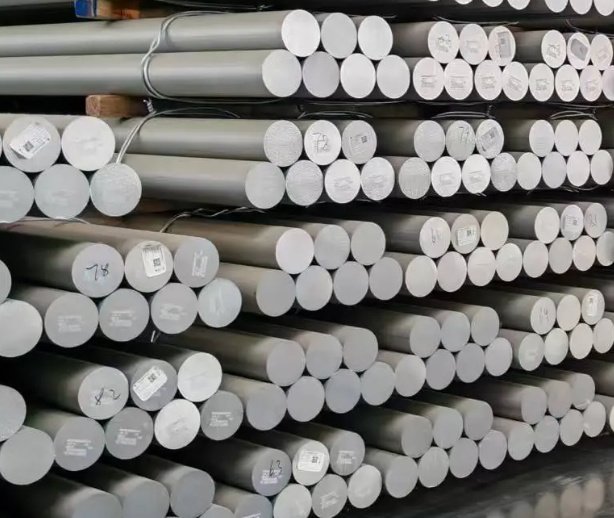
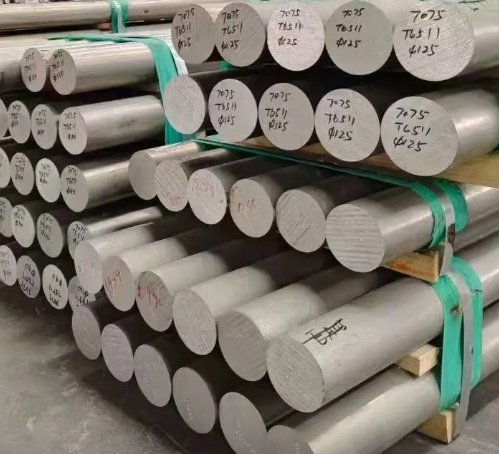
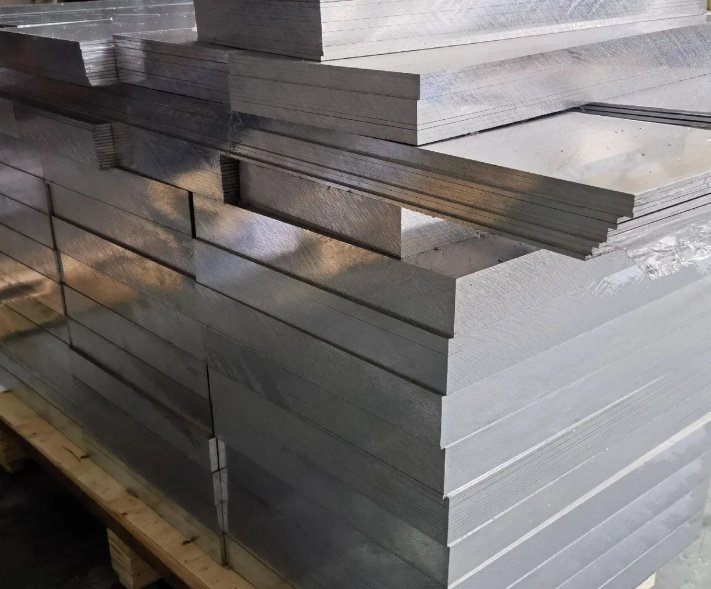
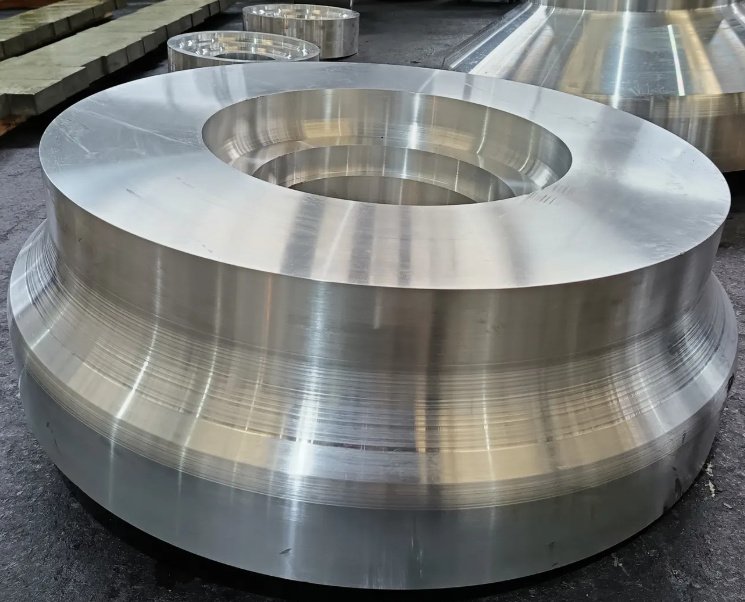
2024 aluminum is commonly available as sheet, plate, bar, rod, extrusions, drawn tube, forgings and clad sheet. Availability depends on thickness, temper, country of origin, aerospace certification and minimum order quantity.
| Product Form | Common Tempers | Relevant Standards or Specifications |
|---|---|---|
| Sheet and plate | O, T3, T351, T4, T851 | ASTM B209, AMS-QQ-A-250/4, AMS 4037, AMS 4041, EN 485 depending on region |
| Bar and rod | T4, T351, T851 | ASTM B211, AMS 4120 and related aerospace specifications |
| Extrusions | T3511, T8511 | ASTM B221 and applicable aerospace standards |
| Forgings | T4, T6, T852 | AMS 4132, AMS 4339 and project-specific requirements |
| Clad sheet | T3 and related tempers | Aircraft sheet specifications requiring Alclad corrosion protection |
Buyer note: what to confirm before ordering 2024 aluminum
Confirm alloy designation, temper, product form, thickness or diameter, tolerance, required standard, country-of-origin restrictions, mill test certificate, heat lot traceability, ultrasonic testing if needed, surface finish, protective film, grain direction, cut-to-size allowance and whether clad or bare material is required. For CNC parts, also confirm whether the stock must be stress-relieved plate such as 2024-T351 or 2024-T851.
Advantages and Limitations
| Advantages | Limitations |
|---|---|
| High tensile and yield strength compared with many commercial aluminum alloys | Lower corrosion resistance when bare or unprotected |
| Good fatigue performance in many aerospace sheet and plate applications | Poor fusion weldability for critical structures |
| Good machinability and sharp feature definition | Residual stress can cause distortion if the wrong temper or process is used |
| Established aerospace material history and broad standards coverage | Usually more expensive than 6061 and may require certified sourcing |
The main purchasing mistake is treating 2024 as a direct upgrade from 6061 in every situation. It is stronger, but it is not automatically better. If the part is welded, exposed outdoors without coating or designed mainly for low-cost fabrication, 6061 may be more appropriate. If the part is fatigue-loaded, highly machined or aerospace-controlled, 2024 may justify its higher cost.
How to Specify 2024 Aluminum Correctly
A clear specification reduces procurement risk, machining delays and rejected parts. A complete line item may include alloy, temper, form, dimensions, tolerance, specification, surface condition and certificate requirements.
Example specification: 2024-T351 aluminum plate, 25.4 mm thick x 500 mm x 800 mm, ASTM B209 or AMS-QQ-A-250/4, mill finish, full mill test report, heat lot traceability, cut edges acceptable, material suitable for CNC machining.
Example aircraft sheet specification: Alclad 2024-T3 aluminum sheet, 1.6 mm thick, AMS 4037 or applicable drawing standard, protective film one side, certificate of conformity and mill test certificate required.
For safety-critical or regulated applications, the engineering drawing should override generic catalog descriptions. Include the acceptable standard revision, inspection level and substitution rules. Do not substitute 6061, 7075 or 2014 unless engineering approval confirms equivalent performance for the load case.
Summary: When 2024 Aluminum Is the Right Choice
2024 aluminum is best suited for high-strength, fatigue-sensitive and aerospace-influenced components where machinability and proven structural performance are important. It is commonly used as 2024-T3 sheet for aircraft structures and 2024-T351 or T851 plate for machined parts.
Choose Aluminum 2024 when strength, fatigue performance and aerospace familiarity matter more than weldability and bare corrosion resistance. Choose another alloy when corrosion resistance, welding, lowest cost or maximum static strength is the primary design driver. With the correct temper, finish and machining plan, Al 2024 remains one of the most useful high-strength aluminum alloys for demanding engineering applications.