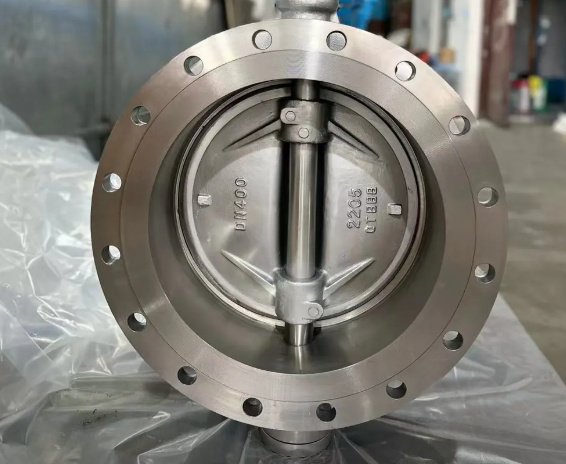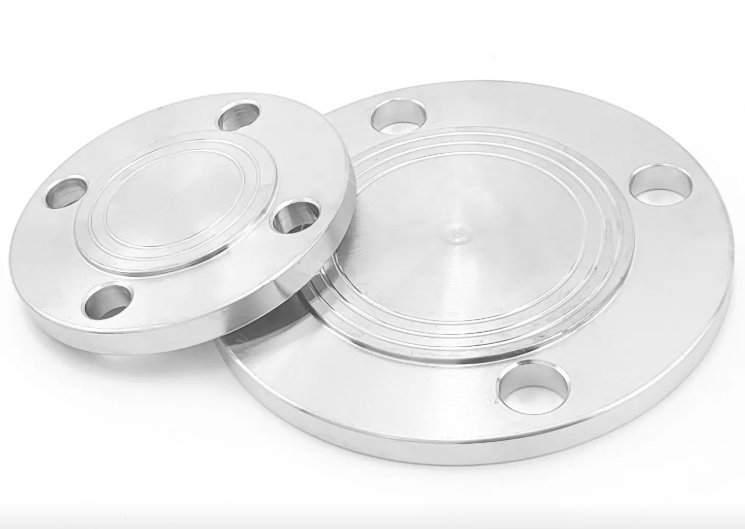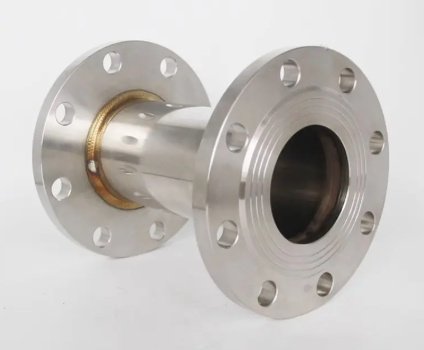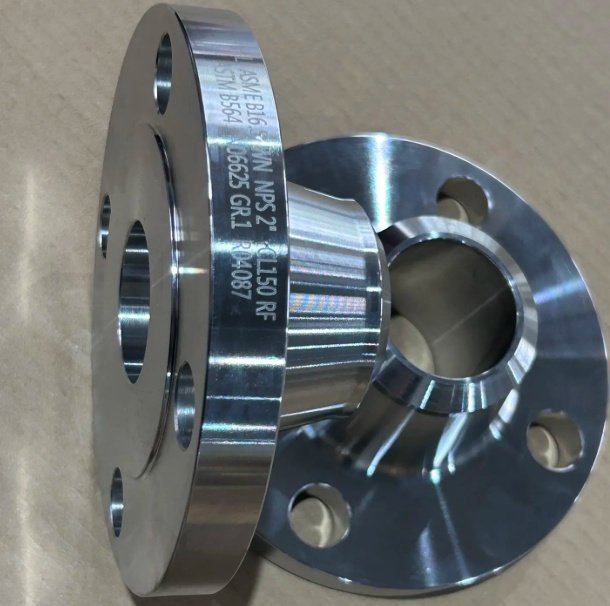
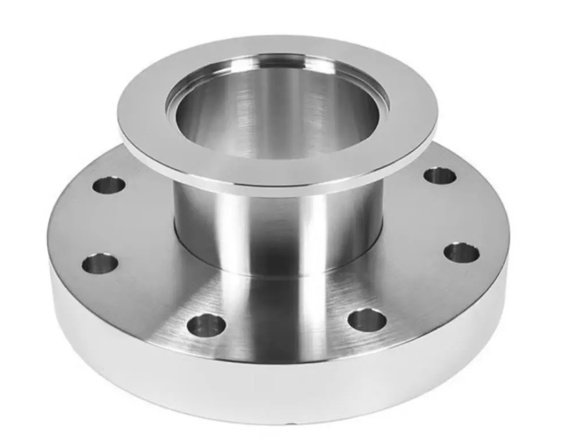
Selecting the right flange material is not only a purchasing decision. It directly affects pressure integrity, corrosion resistance, bolting reliability, gasket sealing, maintenance cost, and service life. A flange that performs well in chilled water may fail quickly in seawater, sour gas, high-temperature steam, or acidic chemical service.
This guide explains how engineers, buyers, and project teams can compare common flange materials such as carbon steel, stainless steel, duplex stainless steel, alloy steel, nickel alloys, titanium, and aluminum. It also covers standards, machining considerations, procurement checks, and practical application examples.
What Determines the Best Flange Material?
A suitable flange material must match the actual service conditions, not just the pipe size or pressure class. The most important selection factors include:
- Design pressure and temperature
- Fluid type, including water, steam, gas, oil, chemicals, slurry, or seawater
- Corrosion mechanism, such as uniform corrosion, pitting, crevice corrosion, stress corrosion cracking, or sulfide stress cracking
- Applicable standards, including ASME, ASTM, EN, MSS, API, NACE, and ISO requirements
- Compatibility with pipe material, bolting, gasket, welding procedures, and surface treatment
- Manufacturing method, such as forged flange, cast flange, plate flange, or machined special flange
- Total cost of ownership, not only initial purchase price
For critical systems, flange material selection should be based on pressure-temperature rating, corrosion data, and code compliance, rather than simply choosing the lowest-cost option.
Quick Comparison of Common Flange Materials
The table below compares common flange materials used in industrial piping systems. Actual suitability depends on the design code, material grade, heat treatment, pressure class, and service environment.
| Material Group | Common Grades | Main Advantages | Limitations | Typical Applications | Relative Cost |
|---|---|---|---|---|---|
| Carbon Steel | ASTM A105, A350 LF2, A694 F52/F60/F65 | Good strength, wide availability, economical, easy to machine and weld | Requires coating or corrosion allowance in corrosive environments | Oil and gas, water, steam, general industrial piping | Low |
| Low-Temperature Carbon Steel | ASTM A350 LF2, LF3 | Improved impact toughness at low temperature | Still vulnerable to corrosion without protection | LPG, LNG auxiliary systems, cold climate piping, low-temperature process lines | Low to Medium |
| Austenitic Stainless Steel | ASTM A182 F304/F304L, F316/F316L, F321, F347 | Good corrosion resistance, hygienic surface, good toughness | Can suffer chloride pitting and stress corrosion cracking | Chemical, food, pharmaceutical, wastewater, marine non-critical systems | Medium |
| Duplex Stainless Steel | ASTM A182 F51/2205, F53/2507, F55 | High strength, excellent chloride resistance, better stress corrosion cracking resistance | Requires controlled welding and heat input; less forgiving than 316L | Seawater, desalination, offshore, sour service, chloride-rich processes | Medium to High |
| Alloy Steel | ASTM A182 F11, F22, F5, F9, F91 | Good high-temperature strength and creep resistance | Requires proper heat treatment and welding procedure control | Power plants, refineries, high-temperature steam, thermal oil systems | Medium |
| Nickel Alloy | Inconel 625, Incoloy 825, Hastelloy C276, Monel 400 | Excellent resistance to severe corrosion, acids, seawater, and high temperature | High material and machining cost | Acid service, offshore, subsea, chemical processing, flue gas desulfurization | High |
| Titanium | Grade 2, Grade 5 | Excellent seawater and oxidizing chloride resistance, light weight | High cost, special fabrication controls, risk in some reducing acids | Seawater cooling, desalination, chemical exchangers, marine systems | High |
| Aluminum | 6061, 5083, 5086 | Lightweight, good machinability, good atmospheric corrosion resistance | Lower strength and temperature capability than steel | Low-pressure piping, marine lightweight structures, HVAC, instrumentation | Low to Medium |
| Cast Iron / Ductile Iron | Gray iron, ductile iron | Economical for low-pressure water systems | Brittle compared with forged steel; limited industrial pressure use | Municipal water, drainage, fire protection, utility systems | Low |
Carbon Steel Flanges: Best for General Service and Cost Control
Carbon steel flanges are widely used because they provide a strong balance of mechanical strength, availability, machinability, and price. Common forged carbon steel flange grades include ASTM A105 for normal-temperature service and ASTM A350 LF2 for low-temperature applications requiring impact toughness.
When to Choose Carbon Steel
- Non-corrosive or mildly corrosive fluids
- Steam, air, oil, gas, and treated water systems
- Applications where coating, painting, galvanizing, or corrosion allowance is acceptable
- Projects requiring economical supply for large quantities
Engineering Notes
Carbon steel is often the default material for ASME B16.5 and ASME B16.47 flanges in general process piping. However, it is not inherently corrosion resistant. In outdoor, buried, marine, or chemical environments, the flange may require epoxy coating, hot-dip galvanizing, cathodic protection, or a higher alloy material.
In low-temperature service, ASTM A105 may not be acceptable if impact testing is required. ASTM A350 LF2 is commonly selected for low-temperature carbon steel flanges because it offers better notch toughness.
Stainless Steel Flanges: Best for Corrosion Resistance and Clean Service
Stainless steel flanges are selected when corrosion resistance, cleanliness, and long-term appearance are important. The most common grades are 304/304L and 316/316L. The “L” grades have lower carbon content, which helps reduce sensitization and intergranular corrosion after welding.
304 vs 316 Stainless Steel Flanges
| Item | 304 / 304L | 316 / 316L |
|---|---|---|
| Main Alloy Difference | Chromium-nickel stainless steel | Contains molybdenum for improved chloride resistance |
| Corrosion Resistance | Good in atmosphere, water, food, and mild chemicals | Better in marine, chloride, and chemical environments |
| Typical Use | Food processing, indoor water, mild process fluids | Marine atmosphere, wastewater, chemical piping, coastal plants |
| Cost | Lower | Higher due to molybdenum and nickel content |
For many industrial buyers, 316L is considered a safer corrosion-resistant choice than 304L. However, 316L stainless steel is not automatically suitable for all chloride or seawater applications. In warm chloride-containing water, pitting and crevice corrosion may occur, especially under gaskets, deposits, and stagnant conditions.
When is 316L enough, and when should duplex be considered?
316L may be suitable for mildly corrosive chloride environments, clean water, low-temperature service, and systems with controlled chemistry. Duplex stainless steel should be considered when chloride concentration, operating temperature, stagnant conditions, or stress corrosion cracking risk is high. As a practical reference, 316L often has a critical pitting temperature in the range of about 20–25°C in aggressive chloride testing, while 2205 duplex can commonly perform at higher temperatures, depending on test method and environment.
Duplex and Super Duplex Flanges: Best for Seawater, Offshore, and Chloride Service
Duplex stainless steel combines austenitic and ferritic microstructures. This gives it higher strength than standard austenitic stainless steel and much better resistance to chloride stress corrosion cracking. Common grades include ASTM A182 F51, F53, and F55.
Duplex vs Super Duplex
| Material | Common Grade | Typical PREN Range | Best Use |
|---|---|---|---|
| Lean Duplex | 2101, 2304 | Approximately 25–30 | Moderate chloride service, structural and utility systems |
| Standard Duplex | 2205 / ASTM A182 F51 | Approximately 30–38 | Seawater, offshore topside, desalination, chemical piping |
| Super Duplex | 2507 / ASTM A182 F53, F55 | Above 40 | Highly aggressive seawater, subsea, high-chloride and high-pressure service |
PREN, or pitting resistance equivalent number, is commonly calculated using chromium, molybdenum, and nitrogen content. A higher PREN generally indicates better resistance to chloride pitting. It should not replace project-specific corrosion evaluation, but it is useful for comparing stainless and duplex grades.
Real Engineering Example: Seawater Cooling Loop
A coastal plant originally specified 316L flanges for a seawater cooling line operating at approximately 32°C with intermittent low-flow conditions. After less than two years, several flanges showed crevice corrosion near the gasket seating area. The replacement design used 2205 duplex flanges, non-asbestos gaskets compatible with seawater, and improved flushing procedures.
The result was a major reduction in flange face damage during inspection. Although the duplex flange purchase price was higher, the project reduced unplanned shutdown risk and gasket sealing failures. In this type of service, the lowest initial material cost was not the lowest lifecycle cost.
Alloy Steel Flanges: Best for High Temperature, Steam, and Refinery Service
Alloy steel flanges are used when carbon steel cannot provide sufficient high-temperature strength, oxidation resistance, or creep resistance. Common ASTM A182 alloy flange grades include F11, F22, F5, F9, and F91.
Typical Alloy Steel Flange Applications
- High-temperature steam lines
- Boiler and power plant piping
- Refinery process units
- Thermal oil systems
- Hydrogen and high-temperature hydrocarbon service
Alloy steel flanges require careful control of heat treatment, welding procedure qualification, preheat, post-weld heat treatment, hardness, and positive material identification. For high-temperature systems, creep strength and long-term metallurgical stability are as important as room-temperature tensile strength.
Nickel Alloy, Titanium, and Specialty Flanges for Severe Corrosion
When stainless steel and duplex materials are not enough, specialty alloys may be required. These flanges are selected for severe acids, high chloride concentration, seawater immersion, high temperature, sour service, or highly oxidizing and reducing environments.
Nickel Alloy Flanges
Nickel alloy flanges such as Inconel 625, Incoloy 825, Hastelloy C276, and Monel 400 offer excellent resistance to many aggressive media. They are common in chemical processing, offshore platforms, subsea systems, acid production, flue gas desulfurization, and high-temperature corrosion environments.
Titanium Flanges
Titanium Grade 2 flanges provide excellent resistance to seawater and many oxidizing chloride environments. They are lightweight and highly corrosion resistant, but they require careful fabrication control and are not suitable for every chemical environment.
Aluminum Flanges
Aluminum flanges are used where low weight is important and pressure or temperature demands are moderate. They are easy to machine and useful in HVAC, low-pressure process systems, marine lightweight structures, and certain instrumentation assemblies.
Can different flange and pipe materials be connected?
Dissimilar materials can be connected, but galvanic corrosion, thermal expansion mismatch, welding compatibility, and flange rating must be evaluated. For example, stainless steel flanges connected to carbon steel piping may require insulating gasket kits, proper coating, or corrosion management in wet or marine environments.
Application-Based Flange Material Selection
The following application table helps narrow the material choice. Final selection should always be verified against project specifications, design codes, and corrosion data.
| Application | Common Material Choice | Alternative for More Severe Conditions | Key Selection Concern |
|---|---|---|---|
| General water service | Carbon steel, ductile iron, 304 stainless steel | 316L stainless steel | Corrosion allowance, coating, water chemistry |
| Steam piping | ASTM A105 carbon steel | F11, F22, F91 alloy steel | Temperature rating, creep strength, gasket class |
| Low-temperature LPG or gas | ASTM A350 LF2 | Stainless steel for cryogenic service | Impact toughness and MDMT |
| Food and beverage | 304L stainless steel | 316L stainless steel | Cleanability, surface finish, hygienic compatibility |
| Wastewater treatment | 316L stainless steel, coated carbon steel | Duplex stainless steel | Chlorides, H2S, biological deposits |
| Seawater | Duplex 2205 | Super duplex, titanium, nickel alloy | Pitting, crevice corrosion, stagnant water |
| Sour oil and gas | NACE-compliant carbon steel or low alloy steel | Duplex, nickel alloy | H2S cracking, hardness, NACE MR0175 / ISO 15156 |
| Acid chemical service | 316L or alloy depending on acid type | Hastelloy C276, Incoloy 825, titanium | Acid concentration, temperature, oxidizing or reducing conditions |
| High-pressure oil and gas | A105, A694, low alloy steel | Duplex or nickel alloy | Pressure class, toughness, sour service, weldability |
Standards and Specifications to Check Before Ordering
A technically correct flange purchase order should specify the flange standard, material standard, pressure class, face type, dimensions, testing, marking, and documentation. Incomplete specifications often lead to wrong materials, delays, or non-conforming products.
Common Flange Standards
- ASME B16.5: Pipe flanges and flanged fittings, typically NPS 1/2 to NPS 24
- ASME B16.47: Large diameter steel flanges, typically NPS 26 to NPS 60
- EN 1092-1: European steel flange standard
- MSS SP-44: Steel pipeline flanges
- API 6A: Wellhead and Christmas tree equipment flanges
Common Material Standards
- ASTM A105: Forged carbon steel flanges for ambient and higher-temperature service
- ASTM A350: Carbon and low-alloy steel forgings requiring notch toughness
- ASTM A182: Forged stainless steel, alloy steel, and nickel alloy flanges
- ASTM A694: Carbon and alloy steel forgings for high-pressure transmission service
- ASTM A351: Cast austenitic steel for pressure-containing parts
- NACE MR0175 / ISO 15156: Materials for H2S-containing oil and gas environments
For regulated projects, material traceability through mill test reports, heat numbers, and positive material identification is essential. This is especially important for stainless steel, duplex, alloy steel, and nickel alloy flanges.
What documents should buyers request from a flange supplier?
Buyers should request mill test certificates according to EN 10204 3.1 or project requirements, heat number traceability, chemical composition, mechanical test results, heat treatment records, hardness test records when required, dimensional inspection reports, PMI reports for alloy materials, NDE reports if specified, and coating or packaging records.
Machining and Manufacturing Considerations
Flange performance depends not only on material grade but also on manufacturing quality. Forging quality, heat treatment, machining accuracy, bolt hole alignment, gasket surface finish, and dimensional tolerances all affect installation and sealing reliability.
Forged vs Cast vs Plate Flanges
| Manufacturing Type | Advantages | Limitations | Typical Use |
|---|---|---|---|
| Forged Flange | Dense structure, good mechanical properties, widely accepted for pressure service | Higher tooling and forging cost than simple plate cutting | ASME pressure piping, oil and gas, chemical plants, power plants |
| Cast Flange | Suitable for complex shapes, economical in some large-volume production | Potential casting defects; requires strict quality control | Waterworks, pumps, valves, lower-risk applications depending on code |
| Plate Flange | Economical for some non-critical or low-pressure designs | May not meet pressure piping requirements unless allowed by standard | Ventilation, light-duty piping, custom low-pressure systems |
Machining Factors That Affect Sealing
- Raised face height and flatness
- Gasket seating surface roughness
- Bolt hole diameter, pitch circle diameter, and alignment
- Flange thickness and hub dimensions
- Concentricity of bore and bolt circle
- Surface defects such as dents, tool marks, laps, and corrosion pits
For spiral wound gaskets, ring joint gaskets, and high-pressure service, gasket seating surfaces must be carefully machined. A flange with the correct alloy but poor face finish can still leak during hydrotest or operation.
Procurement Checklist for Engineers and Buyers
Before sending an RFQ or purchase order, confirm the following information. This reduces rework, wrong material delivery, and project delays.
- Flange type: weld neck, slip-on, blind, socket weld, threaded, lap joint, long weld neck, or special flange
- Standard: ASME B16.5, ASME B16.47, EN 1092-1, API 6A, or project drawing
- Size, pressure class, schedule, bore, and facing type
- Material grade and ASTM or EN specification
- Service fluid, design temperature, design pressure, and corrosion allowance
- Heat treatment, impact testing, hardness limits, or NACE requirements
- Required certificates, PMI, NDE, hydrotest, or third-party inspection
- Coating, marking, packaging, and export requirements
From a purchasing perspective, the best flange material is not always the cheapest material per piece. It is the material that meets the code, avoids premature failure, reduces maintenance, and arrives with complete documentation.
Final Recommendations: How to Choose the Right Flange Material
For general industrial service, carbon steel flanges such as ASTM A105 offer reliable performance and economical pricing. For low-temperature service, ASTM A350 LF2 is often preferred. For clean and mildly corrosive environments, 304L or 316L stainless steel flanges are common. For seawater, offshore, and chloride-rich applications, duplex or super duplex stainless steel is usually a stronger choice. For high-temperature steam and refinery systems, alloy steel flanges such as F11, F22, and F91 should be evaluated. For severe corrosion, nickel alloy or titanium flanges may be necessary.
The safest selection method is to match the flange material to the actual service environment, verify the pressure-temperature rating, check corrosion mechanisms, confirm standards compliance, and review manufacturing quality. A properly selected flange improves sealing reliability, extends service life, and reduces the risk of shutdowns, leaks, and replacement costs.