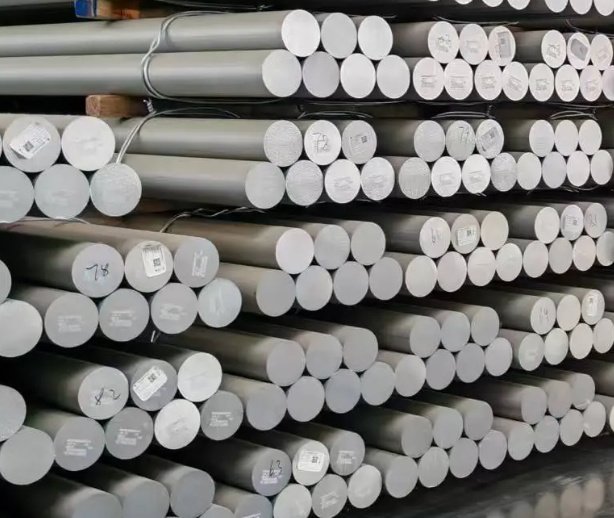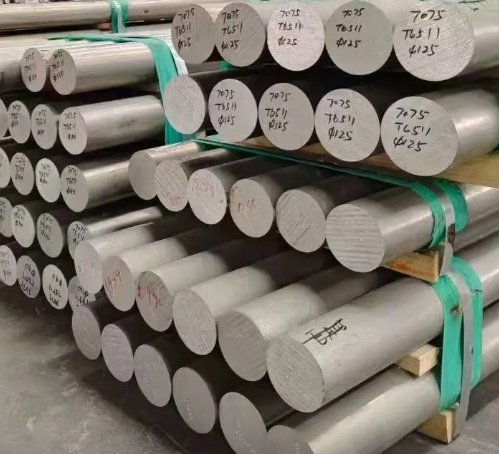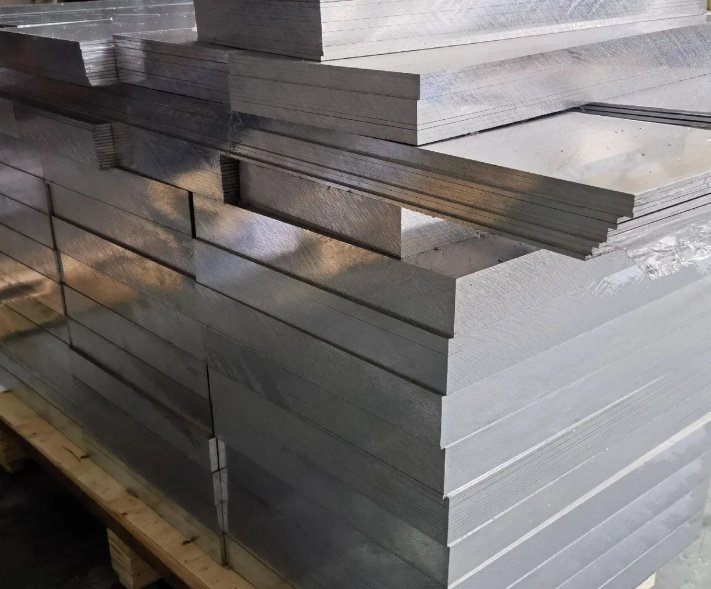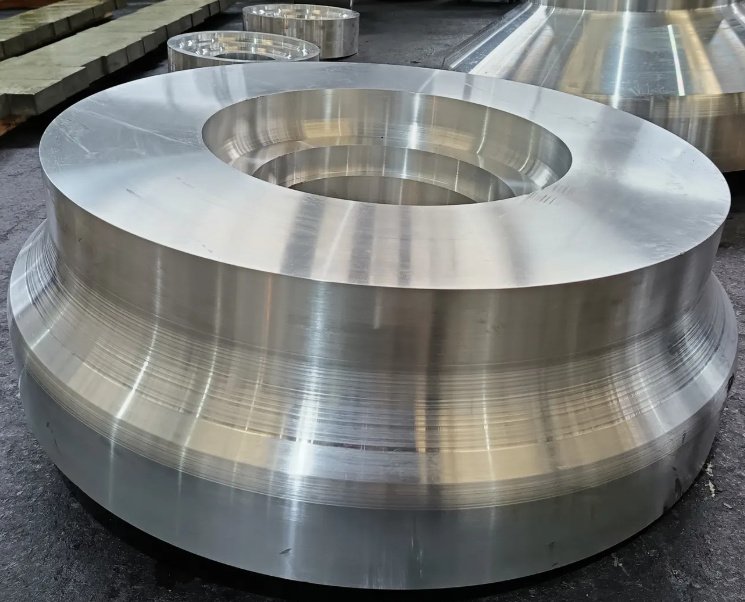
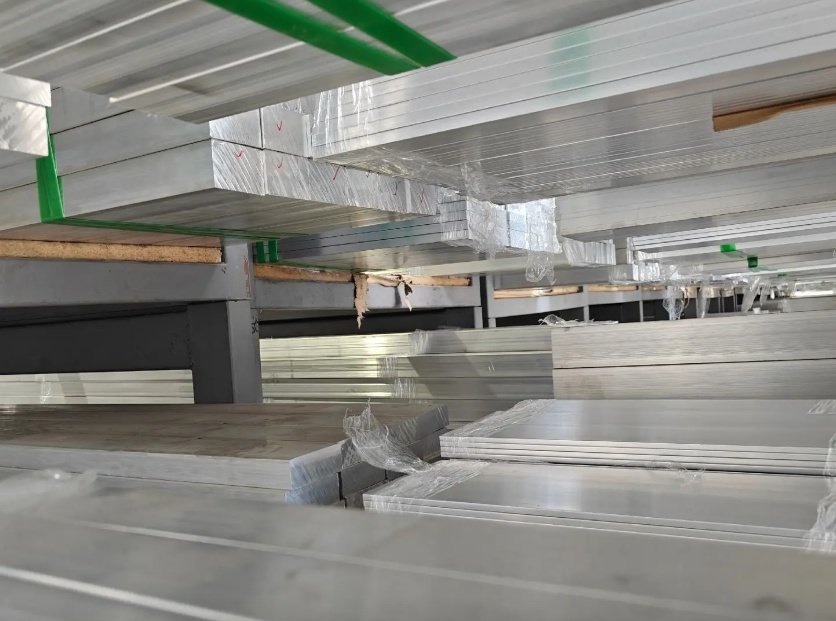
6111 Aluminum is a heat-treatable 6000-series aluminum alloy designed for applications that need a strong balance of formability, dent resistance, corrosion resistance, and paint-bake hardening response. In engineering and procurement documents it may appear as Al 6111, AA 6111, UNS A96111, al alloy 6111, or Aluminum 6111.
The alloy is best known for automotive body sheet, especially outer closure panels such as hoods, deck lids, doors, and fenders. Compared with general-purpose 6061, 6111 is more tailored for sheet forming and paint-line strengthening. Compared with 5xxx non-heat-treatable alloys, it can gain additional strength during artificial aging or automotive paint-bake cycles.
What Is 6111 Aluminum?
6111 Aluminum is an aluminum-magnesium-silicon-copper alloy in the AA 6000 series. Its strengthening mechanism is precipitation hardening, primarily through Mg-Si and Cu-containing precipitates formed during solution heat treatment, quenching, natural aging, and artificial aging.
In automotive production, 6111 is commonly supplied in a formable temper such as T4 or a proprietary pre-aged condition. After stamping and assembly, the sheet can harden during a paint-bake cycle, improving panel stiffness and dent resistance without requiring a separate full heat-treatment step.
| Category | Typical Description |
|---|---|
| Alloy family | 6000-series Al-Mg-Si-Cu wrought aluminum alloy |
| Main product form | Sheet and coil for stamped panels |
| Key advantage | Formable before bake; stronger after bake or aging |
| Typical market | Automotive body sheet, closures, lightweight transport panels |
| Common competing alloys | 6016, 6022, 6014, 6061, 5754, 5182 |
6111 Aluminum Chemical Composition
The exact composition limits depend on the governing standard and mill specification. The following values are typical published ranges for 6111-type aluminum sheet and should be confirmed against the purchase standard, certificate of analysis, and customer engineering specification.
| Element | Typical Range, wt.% | Metallurgical Role |
|---|---|---|
| Aluminum | Balance | Base metal, low density, corrosion resistance |
| Magnesium | About 0.50–1.00 | Forms Mg-Si precipitates; improves strength |
| Silicon | About 0.70–1.10 | Combines with Mg for age hardening |
| Copper | About 0.50–0.90 | Improves bake-hardening and peak strength |
| Manganese | About 0.15–0.45 | Controls grain structure and recrystallization behavior |
| Iron | Usually limited to about 0.40 max. | Impurity control; affects particles and surface quality |
| Zinc, Chromium, Titanium, Others | Usually controlled at low levels | May affect corrosion, grain refinement, and processing stability |
The combination of magnesium, silicon, and copper is why Aluminum 6111 can deliver higher post-bake strength than many standard 6xxx automotive sheet alloys, while still retaining useful stamping formability in the supplied condition.
Mechanical Properties and Tempers
Mechanical properties of 6111 Aluminum vary with gauge, rolling practice, temper, natural aging time, bake cycle, testing direction, and surface treatment. For safety-critical designs, use certified test data from the actual coil or sheet lot.
| Condition | 0.2% Yield Strength | Ultimate Tensile Strength | Elongation | Typical Use Meaning |
|---|---|---|---|---|
| T4 / formable sheet condition | About 120–170 MPa | About 240–300 MPa | About 18–28% | Good stamping formability before paint bake |
| Paint-baked condition, typical 170–185°C for 20–30 min | Often increases by about 50–100 MPa | Often increases moderately | Reduced versus T4 | Improved dent resistance after vehicle paint line |
| T6 / artificially aged condition | About 270–320 MPa | About 310–370 MPa | About 8–15% | Higher strength, lower formability |
A practical reason engineers specify al alloy 6111 is its bake-hardening behavior. A stamped outer panel can be formed in a lower-yield condition and then gain strength after the e-coat or paint-bake cycle, improving in-service dent resistance.
6111 Aluminum vs 6016, 6022, 6061 and 5754
Search intent for 6111 Aluminum often includes alloy selection. The right comparison depends on whether the priority is surface quality, hemming, bake response, availability, corrosion behavior, or fabrication cost.
| Alloy | Type | Strength Potential | Formability | Best-Fit Applications |
|---|---|---|---|---|
| 6111 Aluminum | Heat-treatable Al-Mg-Si-Cu | High for automotive 6xxx sheet, strong bake response | Good in T4, more limited in peak-aged conditions | Outer panels, closures, dent-resistant automotive sheet |
| 6016 Aluminum | Heat-treatable Al-Mg-Si | Moderate to high | Often very good surface and hemming performance | European automotive outer panels, hoods, doors |
| 6022 Aluminum | Heat-treatable Al-Mg-Si | Moderate to high | Designed for automotive sheet forming | Body panels, closures, exposed panels |
| 6061 Aluminum | Heat-treatable Al-Mg-Si | High in T6 | Less optimized for complex automotive outer stamping | Structural plate, extrusions, machined parts, brackets |
| 5754 Aluminum | Non-heat-treatable Al-Mg | Moderate | Very good general forming | Inner panels, formed parts, corrosion-resistant sheet |
Choose 6111 when a project needs paint-bake strength gain and higher dent resistance after forming. Choose 5754 or 5182 when deep forming and non-heat-treatable stability are more important than bake hardening. Choose 6061 when machining, extrusion availability, or structural T6 strength matters more than exposed-panel stamping performance.
Forming, Stamping and Hemming Behavior
6111 Aluminum sheet is engineered for stamping, but it must be processed differently from mild steel. Aluminum has a lower elastic modulus, typically about 69 GPa compared with about 210 GPa for steel, so springback is more pronounced. Tool compensation, binder force control, lubrication, and blank-holder strategy are critical.
- Springback: Expect greater elastic recovery than steel; use forming simulation and die compensation.
- Hemming: Edge quality, pre-strain, bend radius, and natural aging time strongly influence cracking risk.
- Surface quality: Control roping, ridging, orange peel, stretcher strain, and pickup for exposed automotive panels.
- Lubrication: Dry-film or approved stamping lubricants help reduce galling and improve consistency.
- Natural aging: Mechanical properties can change after solution heat treatment and storage; verify shelf-life requirements.
Engineering note: reducing hem-flange cracking in 6111 Aluminum
A common production issue is cracking on tight door or hood hems after the blank has naturally aged. Useful controls include minimizing burr height, specifying a generous inside bend radius where design allows, avoiding excessive pre-strain near the flange, using a two-stage hemming schedule, and validating the forming window after realistic storage time. In many automotive programs, the same alloy can pass or fail hemming depending on edge trim quality and the time between solution treatment, stamping, and hemming.
Machining, Cutting and Fabrication Guidance
Although 6111 is most often purchased as sheet or coil for stamping, engineers may still need trimming, CNC routing, drilling, riveting, clinching, resistance spot welding, laser welding, adhesive bonding, or mechanical fastening. In the formable condition, machining can produce more built-up edge than fully aged 6xxx alloys, so tool geometry and lubrication matter.
| Process | Practical Guidance |
|---|---|
| Blanking and trimming | Control burrs and edge cracks; poor edge quality reduces stretch-flange and hemming performance. |
| CNC routing and drilling | Use sharp carbide tools, high chip evacuation, and suitable coolant or mist to reduce built-up edge. |
| Forming | Validate forming limit curves, r-values, n-values, lubricant, draw beads, and aging condition. |
| Welding | Resistance spot welding and laser joining are possible, but surface oxides, electrode life, and heat-affected softening must be controlled. |
| Adhesive bonding | Surface pretreatment, conversion coating, and contamination control are important for durable bonds. |
| Heat treatment | Artificial aging increases strength but reduces formability; define whether forming happens before or after aging. |
For machined prototypes, 6061-T6 may cut more cleanly and be easier to source. For stamped production panels, however, al alloy 6111 often provides the better combination of formability before paint bake and strength after paint bake.
Corrosion Resistance, Surface Treatment and Joining
Like other 6xxx aluminum alloys, 6111 develops a protective aluminum oxide film and generally offers good atmospheric corrosion resistance. Copper improves strength but can influence localized corrosion behavior, so coatings and joining designs should be validated for the service environment.
- Automotive pretreatment: Often used with cleaning, deoxidizing, conversion coating, e-coat, primer, and topcoat systems.
- Galvanic corrosion: Isolate aluminum from carbon steel, copper, and stainless steel where moisture and electrolytes are present.
- Crevice design: Avoid trapped water in hemmed or bonded joints; use sealants and drainage paths.
- Weld zone behavior: Local thermal cycles can change temper and reduce strength near joints.
Buyer and quality note: documents to request with 6111 Aluminum sheet
For production purchasing, request the material test certificate, alloy and temper designation, governing standard, coil number, chemical composition, tensile properties by direction where required, thickness tolerance, flatness tolerance, surface class, lubricant condition, age-control or shelf-life statement, and any automotive customer approval documentation. These checks reduce the risk of forming variation and paint-line performance issues.
Common Applications of 6111 Aluminum
6111 Aluminum is not just a “strong aluminum sheet”; it is an application-specific material used where forming and post-forming strength are both important. The most common uses are in vehicle lightweighting programs.
- Automotive hood outer and inner panels
- Door outer panels and reinforcement-related sheet parts
- Deck lids, liftgates, fenders, and closure panels
- Exposed body panels requiring surface finish control
- Transport equipment panels where bake hardening or artificial aging is useful
- Prototype panels for aluminum-intensive vehicle body programs
In a vehicle body-in-white program, substituting aluminum body sheet for steel can reduce panel mass significantly because aluminum density is about 2.7 g/cm³ versus about 7.85 g/cm³ for steel. The design must still compensate for aluminum’s lower modulus, different joining methods, and higher springback.
Specification, Sourcing and Engineering Considerations
For successful purchasing, do not specify only “6111 Aluminum.” A complete order should define alloy, temper, thickness, width, length or coil size, surface finish, lubricant, tolerance standard, mechanical property targets, aging condition, packaging, and inspection requirements.
| Requirement | Why It Matters |
|---|---|
| Temper and aging condition | Controls formability, hemming, and bake response. |
| Thickness tolerance | Affects weight, stiffness, dent resistance, and stamping repeatability. |
| Surface class | Critical for exposed automotive panels and painted appearance. |
| Mechanical properties by direction | Rolling direction can affect forming behavior and anisotropy. |
| Paint-bake test condition | Confirms strength gain under the customer’s actual bake cycle. |
| Joining and corrosion validation | Prevents failures in mixed-material structures. |
Practical selection note for engineers and buyers
If the design needs a flat, paintable, exposed sheet panel with good formability before stamping and higher yield strength after paint bake, 6111 is a strong candidate. If the part is mainly machined from plate, 6061 may be more economical. If the part requires severe deep drawing without a heat-treatment response, 5754 or 5182 may be easier to process. The best choice should be confirmed by forming simulation, tryout panels, paint-bake testing, corrosion testing, and supplier capability review.
Summary
6111 Aluminum is a specialized 6000-series automotive sheet alloy that combines T4 forming capability with significant strength gain during artificial aging or paint-bake cycles. Its Al-Mg-Si-Cu chemistry gives it higher bake-hardening potential than many general-purpose aluminum sheets, making it valuable for lightweight closure panels and dent-resistant exterior applications.
For ranking, sourcing, and engineering clarity, the most important terms to connect with this material are Al 6111, al alloy 6111, Aluminum 6111, 6111-T4, 6111-T6, automotive body sheet, bake hardening, precipitation hardening, hemming, springback, corrosion resistance, and formability. For real production use, final approval should be based on the applicable standard, certified mill data, forming trials, and customer-specific performance requirements.