
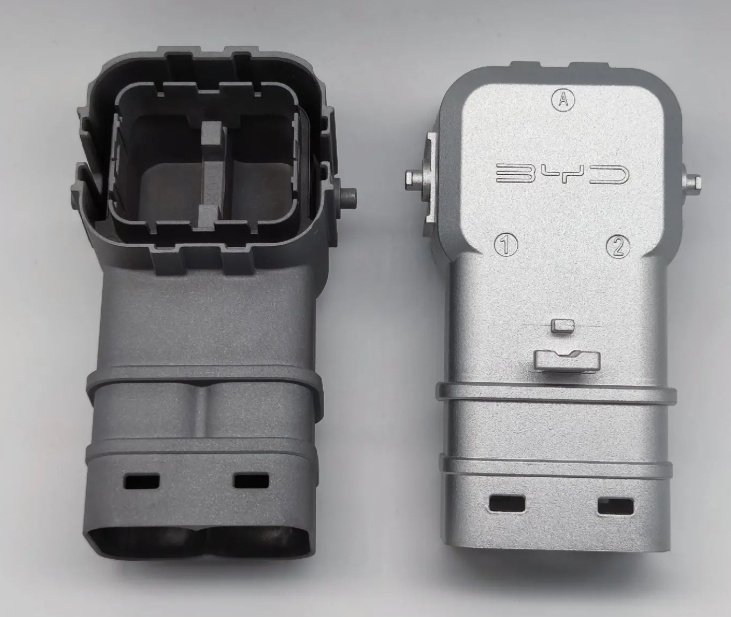
Metal passivation is a controlled surface treatment that improves corrosion resistance by creating, restoring, or strengthening a thin protective oxide or conversion layer on a metal surface. In industrial use, the term is most often associated with stainless steel passivation, but it also applies to aluminum, titanium, zinc, copper alloys, nickel alloys and other engineering metals where surface chemistry determines long-term performance.
For buyers, engineers and quality teams, the search intent behind “metal passivation” is usually practical: which process is right, what standards apply, what defects can it solve, and how can the result be verified. This page explains the technical principles, material-specific methods, process parameters, inspection criteria and common production problems that affect passivation quality.
What Is Metal Passivation?
Passivation is the transition of a metal surface from an active corrosion-prone condition to a more inert condition. The protective layer is usually very thin, commonly measured in nanometers rather than micrometers. Unlike paint, powder coating or electroplating, passivation normally does not build a thick barrier film. It modifies surface chemistry.
In stainless steel, passivation removes exogenous iron, machining contamination and sulfide inclusions from the surface, allowing a chromium-rich oxide film to form. In aluminum, passivation may refer to chromate or non-chrome conversion coatings that create a chemically stable surface for corrosion protection or paint adhesion. In titanium, passivation strengthens the naturally stable titanium oxide layer. The correct meaning depends on the metal, application and specification.
For stainless steel, stainless steel passivation is not a paint, plating, or dimensional coating. If a drawing requires a measurable coating thickness, another process such as electropolishing, anodizing, conversion coating, plating or organic coating may be needed.
Why Metal Passivation Matters in Engineering Applications
Metal surfaces can look clean while still containing embedded iron, heat tint, chloride residue, oxide scale, cutting fluid, weld discoloration or abrasive contamination. These residues can create galvanic sites and initiate localized corrosion, especially in humid, marine, pharmaceutical, food-grade, semiconductor and medical environments.
Effective passivation helps reduce:
- Red rust on stainless steel caused by embedded carbon steel particles
- Pitting corrosion initiated by chloride-contaminated surfaces
- Crevice corrosion around welds, threads, fasteners and lap joints
- Paint adhesion failure on aluminum when conversion coating is poorly controlled
- Particle generation and metallic contamination in high-purity systems
- Field returns caused by cosmetic staining, tea staining or early corrosion
Passivation is especially important after machining, grinding, forming, welding, blasting, laser cutting, pickling or fabrication steps that disturb the native oxide layer.
Metals and Passivation Methods
| Metal or Alloy Family | Common Passivation Method | Primary Purpose | Typical Standards or References |
|---|---|---|---|
| Austenitic stainless steel: 304, 304L, 316, 316L | Nitric acid or citric acid passivation | Remove free iron and enhance chromium oxide film | ASTM A967, ASTM A380, AMS 2700 |
| Precipitation-hardening stainless steel: 17-4PH, 15-5PH | Controlled nitric or citric passivation | Improve corrosion resistance while avoiding over-etching | ASTM A967, AMS 2700 |
| Aluminum alloys: 6061, 7075, 2024 | Chromate or trivalent chromium conversion coating; non-chrome conversion coating | Improve corrosion resistance and paint adhesion | MIL-DTL-5541, ISO 8081 where applicable |
| Titanium and titanium alloys | Nitric or citric cleaning/passivation; controlled oxide formation | Remove surface contamination and support biocompatibility or corrosion resistance | ASTM F86, medical and aerospace customer specifications |
| Copper and brass | Benzotriazole-type inhibitor treatment or specialty passivation chemistry | Reduce tarnish and slow oxidation | Application-specific specifications |
| Zinc, galvanized steel and zinc alloys | Chromate, trivalent passivation or sealers | Delay white rust and improve salt spray performance | ASTM B633, ISO 2081, customer requirements |
The phrase “metal passivation” therefore should not be treated as one universal bath. The chemistry must match the alloy, surface condition, environmental exposure and downstream process.
Stainless Steel Passivation: Nitric Acid vs Citric Acid
Stainless steel passivation is the most common industrial meaning of the term. The two major chemical families are nitric acid and citric acid.
Nitric Acid Passivation
Nitric acid passivation has long been used for aerospace, defense, medical, food equipment and general stainless steel applications. It dissolves free iron and oxidizes the surface, promoting a chromium-rich passive film. Sodium dichromate may be used in some legacy specifications, although environmental and safety restrictions increasingly favor alternatives.
Advantages include broad industry acceptance, strong historical qualification data and compatibility with many stainless grades when properly controlled. Limitations include high oxidizing strength, fume control requirements, hazardous chemical handling and the risk of attack on certain alloys if concentration, temperature or time are incorrect.
Citric Acid Passivation
Citric acid passivation uses an organic acid and chelating chemistry to remove free iron while being less aggressive than many nitric systems. It is widely used where environmental profile, operator safety, wastewater treatment and surface appearance are important.
Citric systems can be highly effective, but they require good cleaning before treatment and validated concentration, pH, temperature and dwell time. In many production lines, citric acid passivation provides equal or better rust-test performance compared with nitric acid when the process is correctly qualified.
| Factor | Nitric Acid Passivation | Citric Acid Passivation |
|---|---|---|
| Typical role | Traditional oxidizing passivation | Chelating removal of iron contamination |
| Environmental profile | More demanding fume and waste controls | Generally easier waste handling |
| Surface aggressiveness | Higher, depending on bath conditions | Usually lower and more appearance-friendly |
| Standards acceptance | Widely recognized | Recognized in modern specifications such as ASTM A967 and AMS 2700 |
| Process sensitivity | Requires strict acid, temperature and alloy control | Requires strong pre-cleaning and bath monitoring |
Typical Metal Passivation Workflow
A passivation line is not only the acid step. Failures often occur because cleaning, rinsing, water quality or handling is weak. A robust process typically includes the following stages:
- Incoming inspection: Confirm alloy, heat treatment condition, weld quality, surface finish, contamination risk and drawing requirements.
- Pre-cleaning: Remove oils, greases, polishing compound, cutting fluids, fingerprints and shop soils using alkaline cleaning, ultrasonic cleaning or approved detergents.
- Rinse: Use controlled water quality to prevent chloride, hardness or detergent carryover.
- Descaling or pickling if needed: Remove heavy oxide, weld scale or heat tint before passivation. Passivation alone does not reliably remove thick scale.
- Passivation bath: Treat parts using the specified acid chemistry, concentration, temperature and time.
- Post-rinse: Thoroughly rinse to remove acidic residues from holes, threads, blind features and crevices.
- Neutralization if specified: Use an approved neutralizing step when required by the process plan.
- Drying: Dry quickly with filtered air, hot air or clean drying methods to avoid water spots and chloride concentration.
- Inspection and testing: Verify appearance, contamination removal and corrosion resistance according to the applicable standard.
- Clean packaging: Protect finished surfaces from carbon steel contact, shop dust, fingerprints and abrasive debris.
For high-purity, medical, semiconductor or food-contact parts, process validation should also address bioburden, extractables, particle cleanliness, rinse resistivity and packaging cleanliness.
Processing Parameters That Control Passivation Quality
Passivation performance is affected by more than acid type. The following production variables should be specified and monitored:
| Variable | Why It Matters | Typical Control Method |
|---|---|---|
| Alloy grade | Different stainless steels respond differently to acid chemistry | Material certification, PMI testing, traveler control |
| Surface finish | Rougher surfaces retain contaminants and are more prone to staining | Ra measurement, visual inspection, controlled polishing media |
| Pre-cleaning quality | Oils and compounds block acid contact | Water-break test, white-wipe test, bath titration |
| Acid concentration | Too low may not remove contamination; too high may attack sensitive alloys | Titration, conductivity or supplier-approved test method |
| Temperature | Reaction rate and uniformity depend on temperature | Calibrated tank controls and recorded logs |
| Dwell time | Insufficient time leaves residual contamination; excessive time can damage parts | Timer-controlled immersion and documented batch records |
| Rinse water | Chloride or hardness can cause spotting or corrosion | DI water monitoring, conductivity limits, overflow rinse design |
| Fixturing | Poor drainage traps acid in blind holes and crevices | Drainage-oriented racks, material-compatible fixtures |
| Drying | Slow drying can create water marks or chloride concentration cells | Filtered air, heated drying, controlled handling |
In production, free iron contamination is one of the most common causes of rust after passivation. It often comes from carbon steel tooling, shared abrasives, shot blasting media, steel wire brushes, forklifts, workbenches or mixed-metal storage.
When passivation is not enough
Passivation cannot correct deep pitting, severe weld undercut, chloride stress corrosion cracking, poor alloy selection or heavy oxide scale without proper pre-treatment. If weld heat tint is dark blue, gray or black, pickling, mechanical removal, electropolishing or weld procedure improvement may be required before passivation.
Engineering Case: Stainless Steel Manifold Rust After Machining
An anonymized production case involved 316L stainless steel manifolds used in a humid process environment. Parts were CNC machined, deburred with shared abrasive wheels, washed, passivated and packaged. Despite using a standard passivation cycle, 18% of the first production lot showed small orange rust spots within 72 hours of humidity exposure.
Root cause investigation found three issues:
- Shared abrasive media had transferred carbon steel particles into the stainless surface.
- Blind threaded holes retained alkaline cleaner and reduced acid effectiveness.
- Post-rinse water conductivity increased above the internal limit near the end of the shift.
The corrective action included dedicated stainless-only abrasives, ultrasonic cleaning before passivation, repositioned fixturing for blind-hole drainage, a two-stage DI rinse and conductivity monitoring. After the changes, the next three lots totaling 2,400 parts showed zero red-rust indications after a 24-hour high-humidity screen and no failures in copper sulfate verification on sampled parts.
This type of result illustrates a key point: passivation chemistry alone rarely solves a process contamination problem unless cleaning, tooling, rinsing and handling are controlled as a system.
Inspection and Testing Methods
Passivated parts should be validated by testing when corrosion resistance, cleanliness or regulatory compliance is important. The required test depends on the specification, alloy and end-use environment.
| Test Method | What It Detects | Common Use | Key Limitation |
|---|---|---|---|
| Water-break test | Organic contamination that prevents uniform wetting | Pre-cleaning verification | Does not prove corrosion resistance |
| Copper sulfate test | Free iron on stainless steel surface | ASTM A967 and shop verification | Not suitable for all stainless grades or surface conditions |
| High-humidity test | Rust tendency under moisture exposure | Stainless steel passivation validation | Requires time and controlled conditions |
| Salt spray testing | Comparative corrosion resistance in chloride exposure | Conversion coatings, zinc passivation, qualification studies | May not predict exact field life |
| Ferroxyl test | Iron contamination on stainless steel | Troubleshooting and sensitive detection | Can stain surfaces and requires careful interpretation |
| XPS or AES surface analysis | Oxide chemistry, chromium-to-iron ratio and contamination | Failure analysis, medical and semiconductor applications | Higher cost and specialized laboratory requirement |
Acceptance should be defined before processing. A vague note such as “passivate metal” can lead to disputes because the supplier may not know the alloy, required standard, test frequency or cosmetic acceptance level.
Visual acceptance should be defined separately from corrosion acceptance
A part can pass a free-iron test and still show water marks, etch contrast, weld color variation or handling marks. If cosmetic appearance matters, the drawing or purchase specification should define acceptable discoloration, staining, matte finish, bright finish, masking requirements and inspection lighting.
Common Passivation Failure Modes and Corrective Actions
| Observed Problem | Likely Cause | Corrective Action |
|---|---|---|
| Red rust after passivation | Embedded iron, inadequate cleaning, carbon steel contact | Remove contamination source, improve cleaning, use dedicated stainless tooling |
| White residue or staining | Poor rinsing, hard water, trapped chemistry | Improve DI rinse, adjust part orientation, add forced drainage |
| Etched or dull surface | Overexposure, wrong acid, sensitive alloy condition | Review chemistry, time, temperature and alloy compatibility |
| Rust near welds | Heat tint, oxide scale, low chromium zone, crevice geometry | Remove heat tint, improve weld shielding, pickle or electropolish before passivation |
| Pitting after service | Chloride exposure, unsuitable alloy, crevices or surface roughness | Upgrade alloy, improve design drainage, reduce chloride concentration |
| Paint adhesion failure on aluminum | Poor conversion coating, oxide contamination, poor rinse | Control deoxidizing, conversion coating weight, rinse quality and dry time |
Many passivation failures are actually upstream manufacturing failures. Grinding with contaminated media, welding without adequate shielding, storing stainless on carbon steel racks and using chloride-containing cleaners can all defeat an otherwise valid passivation process.
Passivation vs Pickling, Electropolishing, Anodizing and Conversion Coating
The terms are sometimes confused, but they describe different surface treatments:
- Passivation: Removes surface contamination and enhances the protective passive film, especially on stainless steel.
- Pickling: Removes heavy oxide scale, heat tint and metal oxides using stronger acid mixtures. It is often performed before passivation.
- Electropolishing: Electrochemically removes a thin layer of metal, smoothing micro-peaks and improving cleanability, appearance and corrosion resistance.
- Anodizing: Electrochemically grows a controlled oxide layer, mainly on aluminum and titanium.
- Conversion coating: Chemically converts the metal surface into a protective compound layer, commonly used on aluminum, zinc and magnesium.
For stainless steel components with high cleanliness or low particle requirements, electropolishing followed by passivation may outperform passivation alone. For aluminum assemblies that require paint, conversion coating is usually more relevant than stainless-type acid passivation.
How to choose between passivation and electropolishing
Choose passivation when the goal is removing free iron and restoring corrosion resistance without changing dimensions. Consider electropolishing when the part requires smoother surfaces, improved cleanability, reduced micro-burrs, brighter appearance or enhanced corrosion resistance in severe service. Critical dimensions should be reviewed because electropolishing removes material.
How to Specify Metal Passivation on a Drawing or Purchase Order
A complete passivation requirement should identify the material, process standard, chemistry type, test method and acceptance criteria. This avoids ambiguity and improves supplier consistency.
Useful specification elements include:
- Base metal grade and condition, such as 316L stainless steel, solution annealed
- Applicable standard, such as ASTM A967, ASTM A380 or AMS 2700 for stainless steel
- Allowed process type, such as nitric acid or citric acid
- Pre-cleaning and descaling requirements, especially after welding or heat treatment
- Masked areas, threaded holes, close-tolerance surfaces and cosmetic surfaces
- Required inspection test, sample size and lot acceptance rule
- Rinse water quality, drying requirements and packaging cleanliness if critical
- Prohibited materials, such as carbon steel wire brushes or chloride-containing cleaners
An example drawing note for stainless steel may read: “Passivate per ASTM A967, citric acid method permitted, verify per copper sulfate or high-humidity test as applicable; no red rust, acid residue or visible staining on functional surfaces.” The exact wording should be reviewed against the product’s industry requirements.
Key Standards and Reference Documents
Commonly referenced standards for metal passivation and related surface preparation include:
- ASTM A967: Chemical passivation treatments for stainless steel parts.
- ASTM A380: Cleaning, descaling and passivation of stainless steel parts, equipment and systems.
- AMS 2700: Passivation of corrosion-resistant steels used in aerospace and other controlled industries.
- ASTM F86: Surface preparation and marking of metallic surgical implants, including passivation considerations.
- MIL-DTL-5541: Chemical conversion coatings on aluminum and aluminum alloys.
- ASTM B117: Salt spray testing, often used for comparative corrosion evaluation.
- ISO 9227: Corrosion tests in artificial atmospheres, including salt spray methods.
- ASTM B633: Electrodeposited coatings of zinc on iron and steel, including supplementary passivation treatments.
Standards define process options and verification methods, but engineering judgment is still required. The best metal passivation process is the one that matches the alloy, contamination risk, service environment, downstream assembly and measurable acceptance criteria.