
Cobalt Alloy Machining Services
- Fast prototype & low MOQ support
- Tight tolerance up to +0.002mm
- Surface finishing available
- Engineering review before production
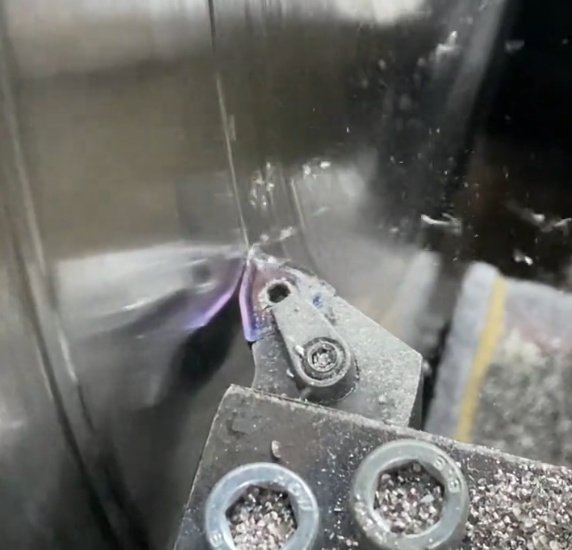
Cobalt Alloy CNC Machining Capabilities
Cobalt alloy machining services include CNC milling, CNC turning, Swiss machining, wire EDM, sinker EDM, precision grinding, honing, polishing, deburring and inspection of cobalt-based alloys. These services convert cast, forged, bar, plate or additive-manufactured cobalt alloy stock into finished components with controlled dimensions, surface finish and traceability.
In production environments, cobalt alloy CNC machining often focuses on maintaining tool life consistency, preventing surface damage and achieving repeatable tolerances on materials that are intentionally engineered to resist deformation and wear.
Precision Milling
- Multi-axis CNC milling for complex geometries.
- Tight tolerances as tight as ±0.002mm and fine surface finishes.
- Suitable for prototypes and mass production.
CNC Turning
- High-speed turning for shafts, rods, and cylindrical parts.
- Thread cutting, grooving, and facing operations.
- Supports both small and large batch production.
Drilling, Tapping & Boring
- CNC drilling for holes of all sizes and depths.
- Threading and tapping for assemblies.
- High repeatability for precision alignment.
Multi-Axis Machining
- 4-axis and 5-axis machining for intricate parts.
- Reduced setups and improved accuracy.
- Ideal for aerospace, automotive, and medical components.
Secondary Operations
- Deburring, grinding, tapping, honing, keyways, broaching support.
- Specialized processes for hard-to-machine metals.
- Used when critical surfaces, fit, or assembly requirements exceed standard machining
CNC Prototyping
- Rapid CNC prototyping to test designs quickly.
- Small batch to full-scale production runs.
- Flexible workflow to meet tight deadlines.
Why Cobalt Alloys Are Difficult to Machine
Key machinability challenges in cobalt chrome, Stellite and MP35N
- Rapid work hardening: light rubbing cuts can harden the surface and make the next pass more difficult.
- Abrasive microstructure: chromium carbides, tungsten carbides and other hard phases can notch tools.
- Low thermal conductivity: heat concentrates near the cutting edge, increasing crater wear and built-up edge risk.
- High strength at temperature: cutting forces stay high even when the tool-workpiece interface becomes hot.
- Surface integrity sensitivity: medical and aerospace parts may require control of recast layers, microcracks, burrs and tensile residual stress.
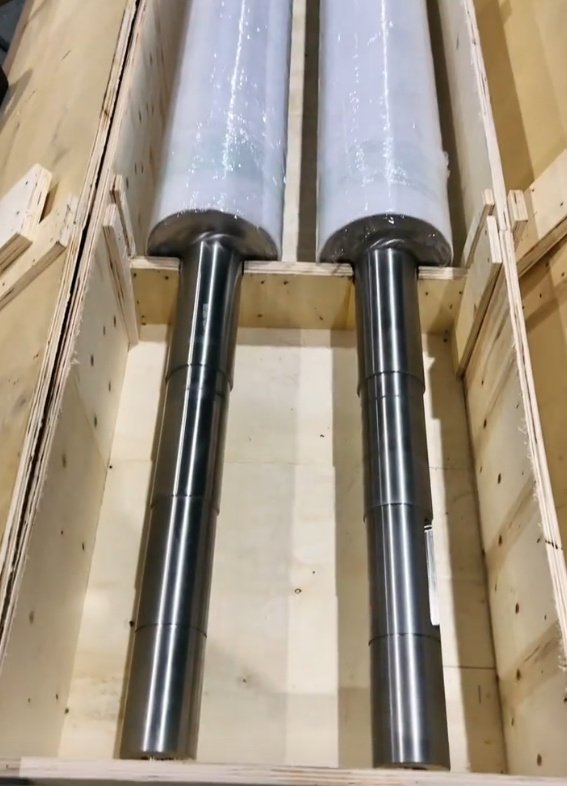
Cobalt Alloys Commonly Machined
The term “cobalt alloy” covers multiple material families. Each has different machinability, heat resistance, corrosion behavior and documentation requirements.
| Material Family | Common Grades | Typical Applications | Machining Notes |
|---|---|---|---|
| Cobalt Chrome | CoCrMo, ASTM F75, ASTM F1537, CCM | Orthopedic implants, dental parts, surgical instruments, wear components | High hardness, excellent polishability, strict surface integrity requirements |
| Stellite Alloys | Stellite 6, Stellite 12, Stellite 21, Stellite 31 | Valve seats, pump sleeves, bushings, cutting edges, hot-wear parts | Abrasive carbides accelerate tool wear; grinding and EDM may be used |
| Haynes and L-605 | Haynes 25, L-605, Haynes 188 | Aerospace hot-section parts, combustor components, high-temperature hardware | Requires stable feeds, high-pressure coolant and careful heat control |
| MP35N | UNS R30035 | Medical devices, springs, fasteners, marine and aerospace components | Very high strength; prone to work hardening if rubbing occurs |
| Tribaloy | Tribaloy T-400, T-800 | Seals, bearings, wear pads, high-temperature sliding components | Extremely wear resistant; machining strategy may combine EDM and grinding |
Typical Tolerances and Surface Finishes
Achievable tolerances depend on part size, geometry, material condition, wall thickness, inspection method and production volume. The values below are general machining targets used for manufacturability discussions, not universal guarantees.
| Feature or Requirement | Typical Machining Range | Notes for Cobalt Alloy Parts |
|---|---|---|
| CNC milled dimensions | ±0.025 mm to ±0.075 mm | Tighter tolerances may require semi-finish, stress relief strategy or inspection at controlled temperature |
| CNC turned diameters | ±0.010 mm to ±0.050 mm | Grinding may be selected for bearing fits, sealing diameters or long-run repeatability |
| Ground diameters or faces | ±0.005 mm to ±0.015 mm | Best for precision wear surfaces and close mating fits |
| Standard machined surface finish | Ra 1.6 µm to Ra 3.2 µm | Depends on toolpath, insert grade, coolant and alloy hardness |
| Fine finish or polished surfaces | Ra 0.2 µm to Ra 0.8 µm | Often used for medical, sealing and low-friction contact surfaces |
Engineering Methods That Improve Machining Results
Effective cobalt alloy machining is usually not achieved by simply reducing speed. A stable process balances surface speed, feed per tooth, radial engagement, tool geometry, coolant pressure and the amount of material removed per pass.
Tooling Strategy
Carbide tools with tough substrates, heat-resistant coatings and sharp, controlled cutting edges are commonly used. Ceramic or CBN tooling can be considered for specific turning or finishing operations, but only when the setup, rigidity and thermal conditions support the tool material.
Coolant and Chip Control
High-pressure, well-directed coolant helps evacuate chips and reduce heat at the cutting edge. In cobalt chrome and MP35N machining, coolant delivery is a process variable, not a secondary detail, because recutting chips can damage the surface and accelerate notch wear.
Workholding and Vibration Control
Short tool overhang, rigid fixtures and controlled tool engagement reduce chatter. Chatter is especially harmful in cobalt alloys because it can leave hardened surface bands, inconsistent finish and premature tool failure.
Programming Approach
Adaptive clearing, constant engagement toolpaths and balanced radial stepovers can improve tool life compared with conventional slotting. For thin-wall cobalt alloy parts, machining sequences may alternate sides or leave stabilizing stock until late in the process.
Real Engineering Problems and Measurable Improvements
The following examples show how engineering changes can affect cobalt alloy CNC machining outcomes. Results vary by machine, tool brand, coolant system, stock condition and geometry, but the problem-solving patterns are widely applicable.
| Problem | Material and Part Type | Process Change | Measured Result |
|---|---|---|---|
| Insert notching after short cuts | Stellite 6 valve seat ring | Reduced interrupted entry, increased feed stability and changed to a tougher coated carbide grade | Tool life increased from 18 parts per edge to 41 parts per edge |
| Unstable bore size after finishing | CoCrMo medical sleeve | Added semi-finish pass, controlled dwell, measured at thermal equilibrium and finish-bored with new edge | Bore variation reduced from 0.028 mm to 0.009 mm over a 60-piece lot |
| Surface tearing on small turned diameter | MP35N miniature shaft | Increased feed above rubbing zone, improved chip evacuation and changed nose radius | Surface finish improved from Ra 1.9 µm to Ra 0.7 µm |
| Burrs on thin slot edges | Haynes 25 aerospace bracket | Used climb milling finish pass, optimized edge prep and added controlled micro-deburring | Manual deburring time reduced by 35% while maintaining edge-break consistency |
Design for Manufacturability Guidelines
Design decisions made before machining strongly affect cost, lead time and reliability. For cobalt alloys, small geometry changes can reduce tool wear, improve inspection access and prevent nonconforming surfaces.
- Use the largest practical internal radii to avoid fragile tools and excessive EDM time.
- Avoid deep, narrow slots unless they are functionally required.
- Specify surface finish only where it matters for sealing, fatigue, wear or biocompatibility.
- Define critical datums clearly so machining and inspection can use the same functional references.
- Allow relief features near shoulders, grooves or thread runouts when possible.
- Consider grinding stock on precision diameters rather than requiring one-step turned tolerances.
- Identify whether sharp edges, broken edges or controlled radii are required.
For medical and aerospace components, overly broad tight tolerances can create unnecessary process risk. Critical-to-function features should be controlled tightly, while noncritical features can often use more practical general tolerances.
Quality Control and Documentation
Cobalt alloy parts often operate in regulated or safety-critical environments. Quality planning should address material certification, dimensional inspection, surface condition, traceability and any post-processing steps.
Common documentation for cobalt alloy machined components
- Material test reports with alloy grade, heat number and chemical composition
- Dimensional inspection reports using CMM, optical comparator, bore gauges or calibrated hand tools
- First article inspection reports when required by customer or industry standards
- Surface roughness measurements for sealing, bearing or medical-contact surfaces
- Process records for EDM, grinding, passivation, cleaning or polishing operations
- Lot traceability for medical, aerospace, oil and gas, and defense applications
Inspection plans may include CMM measurement, optical measurement, surface profilometry, thread gauging, hardness testing, visual inspection under magnification and non-destructive testing when specified.
Industries Using Cobalt Alloy Machined Parts
| Industry | Typical Cobalt Alloy Components | Key Performance Requirements |
|---|---|---|
| Medical and Dental | Orthopedic implants, dental frameworks, surgical tools, cobalt chrome sleeves | Biocompatibility, polishability, traceability, burr control and surface integrity |
| Aerospace | Hot-section brackets, combustion hardware, bushings, high-temperature fasteners | Heat resistance, fatigue performance, dimensional control and documentation |
| Oil and Gas | Valve trims, seats, sleeves, wear rings, choke components | Erosion resistance, corrosion resistance, pressure sealing and long service life |
| Power Generation | Turbine wear parts, seals, nozzles, hardfaced components | Hot wear resistance, thermal stability and reliable fit-up |
| Industrial Equipment | Bearings, bushings, guides, cutting edges, forming tools | Galling resistance, abrasion resistance and repeatable replacement geometry |
How to Evaluate a Cobalt Alloy Machining Supplier
A capable supplier should understand both the material and the final application. Experience with stainless steel or titanium is useful, but it does not automatically translate to cobalt chrome, Stellite, MP35N or Haynes alloy machining.
- Review experience with the exact alloy grade, not only the general cobalt alloy family.
- Ask whether the shop uses CNC milling, turning, EDM and grinding in an integrated process plan.
- Confirm inspection capability for tight bores, complex contours, surface roughness and traceability.
- Check whether the supplier can manage burr-sensitive or polish-critical features.
- Evaluate process control for repeat production, including tool life tracking and in-process measurement.
- Confirm familiarity with medical, aerospace, energy or industrial documentation requirements when relevant.