
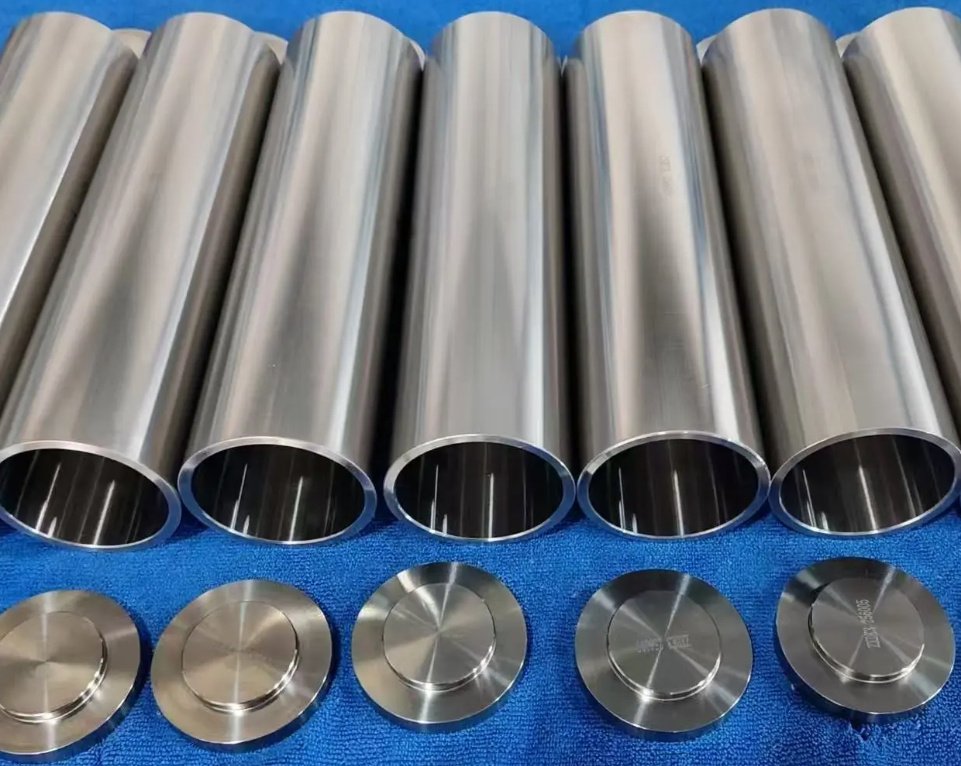
Inconel alloys are a family of high-performance nickel-based superalloys designed for extreme environments where conventional metals fail. Known for their exceptional resistance to oxidation, corrosion, and high-temperature deformation, Inconel materials are widely used in aerospace, energy, marine, and chemical industries. This article explores the key material grades, core properties, and industrial applications that make Inconel one of the most critical engineering alloys in modern manufacturing.
What Are Inconel Alloys?
Inconel is a registered family of nickel-chromium-based superalloys developed to maintain mechanical strength under severe thermal and chemical stress. These alloys form a stable protective oxide layer that resists oxidation even at elevated temperatures above 1000°C in certain grades. The combination of nickel, chromium, iron, and additional alloying elements such as molybdenum, niobium, and titanium provides a unique balance of strength and corrosion resistance.
Originally developed for gas turbine engines and aerospace components, Inconel alloys have expanded into multiple industrial sectors due to their long service life and reliability under extreme operating conditions.
Key Material Grades of Inconel
Different Inconel grades are engineered for specific performance requirements. Each grade has unique compositions and mechanical properties tailored to distinct industrial needs.
Inconel 600 – General Purpose High-Temperature Alloy
Inconel 600 is a nickel-chromium alloy known for its excellent resistance to oxidation and carburization. It performs well in both high-temperature and cryogenic environments. This grade is widely used in furnace components, heat treatment equipment, and nuclear engineering systems.
Inconel 625 – Corrosion-Resistant Workhorse
Inconel 625 contains molybdenum and niobium, which significantly enhance its strength and corrosion resistance in aggressive environments such as seawater and acidic conditions. It is commonly used in marine engineering, chemical processing plants, and offshore oil and gas equipment.
Inconel 718 – High-Strength Aerospace Alloy
Inconel 718 is one of the most widely used precipitation-hardened nickel alloys. It offers excellent tensile strength, creep resistance, and fatigue performance at elevated temperatures. This makes it ideal for jet engines, gas turbines, and rocket motor components.
Other Notable Grades – Specialized Performance Alloys
Additional grades such as Inconel 690 and Inconel X-750 are used in nuclear reactors, high-temperature springs, and specialized industrial systems where long-term stability is critical. Each variation is optimized for a specific combination of heat resistance, mechanical strength, and corrosion performance.
Mechanical and Chemical Properties of Inconel Alloys
The exceptional performance of Inconel alloys comes from their carefully engineered microstructure and elemental composition. These materials are designed to withstand harsh environments where oxidation, thermal cycling, and mechanical stress occur simultaneously.
High-temperature strength is one of the defining features of Inconel. Unlike many steels, these alloys retain their mechanical integrity even at extreme temperatures where creep deformation typically occurs.
Another critical property is corrosion and oxidation resistance. The chromium-rich surface layer forms a passive oxide film that protects the material from further degradation, even in aggressive chemical environments.
Additional key properties include:
- Excellent creep resistance under sustained stress at high temperatures
- Outstanding fatigue resistance in cyclic loading conditions
- Good weldability in most grades with controlled heat input
- Stable microstructure under thermal cycling
Why Inconel Performs Better Than Stainless Steel
While stainless steels offer good corrosion resistance, they typically lose strength at high temperatures. In contrast, Inconel maintains structural stability due to its nickel-dominant matrix and precipitation-strengthening mechanisms. This makes it a preferred choice for critical applications where failure is not an option.
Industrial Applications of Inconel Alloys
Inconel alloys are widely used across industries that demand reliability under extreme conditions. Their ability to perform in corrosive, high-temperature, and high-pressure environments makes them indispensable in modern engineering systems.
Aerospace and Aviation
In aerospace engineering, Inconel 718 and related grades are used in jet engine turbine blades, exhaust systems, and combustion chambers. These components must endure extreme heat and mechanical stress during flight operations.
Power Generation and Gas Turbines
Gas turbine blades, heat exchangers, and boiler systems rely on Inconel alloys for long-term thermal stability. Their creep resistance ensures consistent performance in power plants and energy systems.
Chemical Processing Industry
In highly corrosive chemical environments, Inconel 625 is often used in reactors, piping systems, and heat exchangers. Its resistance to acids and chloride-induced corrosion makes it ideal for harsh processing conditions.
Marine Engineering
Seawater exposure demands materials with superior corrosion resistance. Inconel alloys are widely used in marine exhaust systems, offshore platforms, and desalination plants due to their durability in saline environments.
Nuclear Engineering
Certain Inconel grades are used in nuclear reactors where radiation resistance, thermal stability, and long-term reliability are essential for safe operation.
Advantages and Limitations of Inconel Alloys
Inconel alloys offer a unique combination of properties that few other materials can match, but they also come with certain challenges in manufacturing and cost.
Advantages
The primary advantages include exceptional heat resistance, outstanding corrosion protection, and high mechanical strength across a wide temperature range. These properties significantly extend component lifespan in demanding environments.
Limitations
Despite their benefits, Inconel alloys are expensive and difficult to machine due to their work-hardening nature. Specialized tools and controlled machining parameters are often required, increasing production costs.
Conclusion
Inconel alloys represent a cornerstone of modern high-performance engineering materials. Their superior resistance to heat, corrosion, and mechanical stress makes them essential in aerospace, energy, marine, and chemical industries. With carefully selected grades such as Inconel 600, 625, and 718, engineers can match material performance precisely to demanding operational requirements, ensuring safety, efficiency, and long-term reliability in critical systems.