
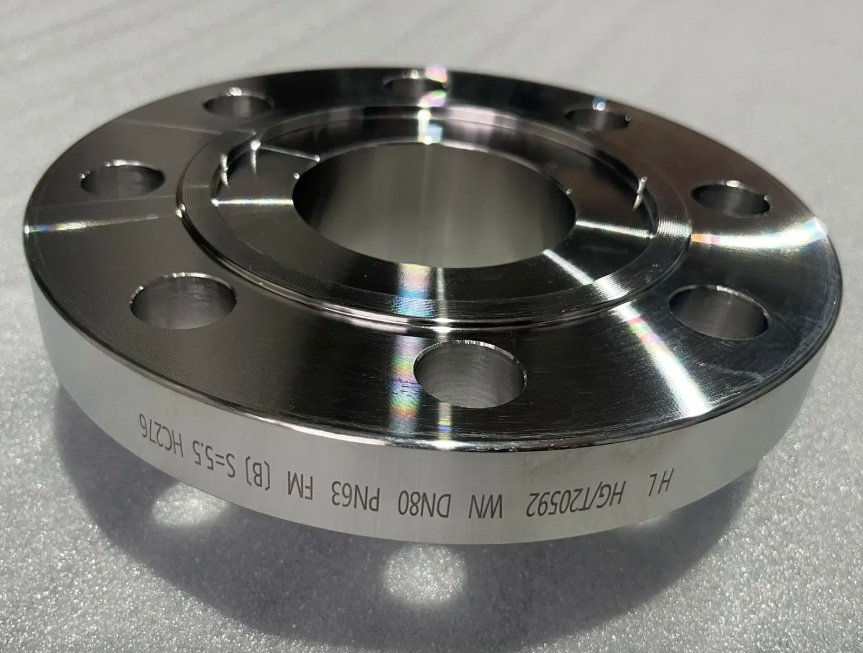
Hastelloy, a family of high-performance nickel-molybdenum-chromium superalloys, has become a staple in modern industrial engineering for operations that demand extreme material resilience. From chemical processing plants to offshore oil and gas platforms, this alloy series addresses longstanding pain points like unexpected corrosion failures, high maintenance costs, and unplanned downtime that plague many standard metal components. This article breaks down the five core advantages that make Hastelloy a top choice for critical industrial systems, backed by real field data and engineering use cases.
1. Exceptional Resistance to Severe Corrosive Environments
Unlike stainless steel or carbon steel that quickly degrade in aggressive chemical settings, Hastelloy’s carefully balanced elemental composition delivers unmatched resistance to both reducing and oxidizing corrosive media. Grades like Hastelloy C-276 are specifically formulated to withstand pitting, crevice corrosion, and stress-corrosion cracking that often occur in chloride-rich solutions.
Real-world operational data from a 2024 chemical plant reliability survey shows that Hastelloy piping systems in hydrochloric acid processing lines have a 92% longer service life compared to 316L stainless steel alternatives. This performance eliminates the frequent unplanned shutdowns caused by sudden material leaks, a common issue that can cost mid-sized processing facilities up to $150,000 per day in lost production.
Common corrosive media Hastelloy resists effectively
- Hot concentrated sulfuric and hydrochloric acid
- Chlorine gas and hypochlorite solutions
- Phosphoric acid with high impurity content
- Seawater and brine at elevated temperatures
2. Superior High-Temperature Structural Stability
Many industrial processes operate at temperatures exceeding 600°C, where ordinary steels lose tensile strength and suffer rapid thermal deformation. Hastelloy alloys retain their mechanical integrity at temperatures up to 1200°C, thanks to solid solution strengthening from molybdenum and tungsten additions. This property makes them ideal for furnace components, gas turbine parts, and flue gas desulfurization systems.
Independent material testing confirms that Hastelloy X maintains over 80% of its room-temperature yield strength at 900°C, far outperforming common heat-resistant steels that drop below 40% strength at the same temperature. This stability reduces the risk of catastrophic component failure under sustained high-heat operating conditions.
3. Outstanding Resistance to Stress Corrosion Cracking (SCC)
Stress corrosion cracking is a hidden failure mode that plagues many industrial pressure vessels and heat exchangers, occurring when tensile stress combines with a corrosive environment to create unexpected brittle fractures. Most austenitic stainless steels are highly susceptible to SCC in high-temperature chloride or caustic environments, leading to sudden, dangerous equipment failures.
Hastelloy’s low carbon content and controlled alloy microstructure effectively block the crack propagation paths that trigger SCC. A 3-year field trial in a petrochemical refinery found that Hastelloy heat exchanger tubes showed zero SCC incidents, while stainless steel tubes in identical service conditions required full replacement after 18 months of operation.
4. Excellent Fabricability and Weld Performance
A common misconception about superalloys is that they are difficult to machine, form, and weld on-site. Modern Hastelloy grades are engineered with optimized thermal processing characteristics that support standard industrial fabrication methods, including TIG welding, laser cutting, and cold forming. Unlike some high-nickel alloys that develop brittle intermetallic phases during welding, Hastelloy C-276 resists harmful phase precipitation in the heat-affected zone.
This fabricability means maintenance teams can perform on-site repairs without specialized equipment, cutting project lead times for critical component replacements by up to 40% compared to more difficult-to-work exotic alloys. The welded joints also retain nearly the same corrosion resistance and mechanical strength as the base material, eliminating weak points in the final assembly.
5. Long-Term Cost of Ownership Optimization
While the initial material cost of Hastelloy is higher than standard stainless steel, the total lifecycle cost analysis consistently shows significant long-term savings for demanding industrial applications. The extended service life reduces the frequency of component replacements, cuts routine maintenance labor hours, and minimizes production losses from unplanned downtime.
Data from a 10-year offshore platform equipment study shows that switching from duplex stainless steel to Hastelloy for critical process piping reduced total system costs by 38% over the asset’s lifecycle. This calculation includes all costs for material procurement, fabrication, inspection, maintenance, and lost production time.
Conclusion
Hastelloy’s unique combination of extreme corrosion resistance, high-temperature stability, SCC immunity, reliable fabricability, and low long-term operating costs makes it an irreplaceable material for the most challenging industrial applications. For engineering teams designing systems that operate in aggressive chemical, high-heat, or high-stress environments, selecting the right Hastelloy grade directly translates to improved operational safety, higher production uptime, and better long-term asset performance.