
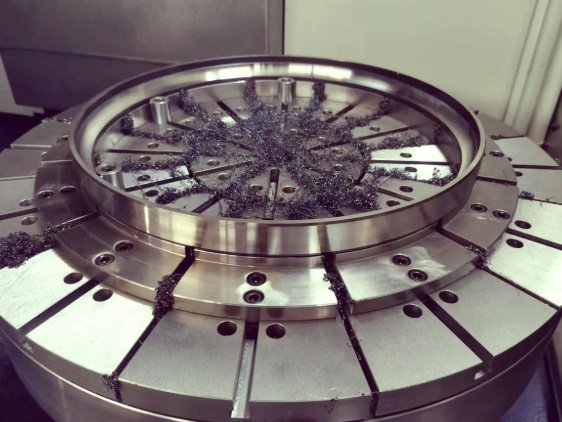
CNC machining Inconel alloys is widely recognized as one of the most challenging manufacturing processes in modern engineering. As a high-performance nickel-based superalloy, Inconel is designed to withstand extreme heat, pressure, and corrosion—properties that also make it extremely difficult to cut, shape, and finish using conventional machining methods. This article explores the key machining difficulties and provides practical optimization strategies for improving tool life, surface quality, and production efficiency.
Why Inconel Is Difficult to Machine
Inconel alloys, such as Inconel 600, 625, and 718, are engineered for extreme environments. However, these same properties create significant challenges in CNC machining, especially in milling, turning, and drilling operations.
The primary issue lies in the material’s ability to retain strength at high temperatures, combined with severe work hardening behavior during cutting. Instead of clean chip formation, the material tends to resist deformation, increasing cutting forces and accelerating tool wear.
Key CNC Machining Challenges
Understanding the root causes of machining difficulties is essential for developing effective optimization strategies.
Work Hardening Effect
One of the most significant issues in Inconel CNC machining is work hardening. As the cutting tool engages the material, the surface layer rapidly hardens, making subsequent cuts more difficult. This leads to increased tool wear, reduced dimensional accuracy, and unstable machining conditions.
High Cutting Temperature
Inconel has low thermal conductivity, meaning heat generated during cutting remains concentrated in the cutting zone. This results in excessive tool temperature, leading to rapid edge degradation, crater wear, and reduced tool life.
Another major challenge is abrasive tool wear. The presence of hard alloying elements such as nickel, chromium, and molybdenum increases friction between tool and workpiece, accelerating flank wear and reducing surface finish quality.
Chip control is also problematic. Inconel tends to produce long, stringy chips that can wrap around tools or damage the workpiece surface if not properly managed.
Tool Selection for Inconel Machining
Proper tooling is critical for successful CNC machining of Inconel alloys. Standard high-speed steel tools are generally unsuitable due to rapid wear and thermal failure.
Carbide tools are the most commonly used solution, particularly those with advanced coatings such as TiAlN or AlTiN, which improve heat resistance and reduce friction.
Ceramic and CBN (cubic boron nitride) tools are also used in high-speed finishing operations where thermal stability is essential.
Tool Geometry Optimization
Optimized tool geometry plays a critical role in machining performance. Positive rake angles, sharp cutting edges, and reinforced tool noses help reduce cutting forces and improve chip evacuation. However, excessive sharpness may reduce tool life under heavy load conditions.
CNC Machining Optimization Strategies
To overcome the challenges of Inconel machining, manufacturers apply a combination of process optimization techniques, toolpath strategies, and cutting parameter adjustments.
One of the most effective approaches is reducing cutting speed while increasing feed rate to minimize heat buildup at the cutting edge. This technique helps control thermal stress and extend tool life.
High-pressure coolant systems are also widely used to remove heat and improve chip evacuation, especially in deep cavity milling and turning operations.
Cutting Parameters Optimization
Optimal cutting parameters vary depending on the Inconel grade and machining operation. Generally, lower spindle speeds, moderate feed rates, and shallow depth of cut are recommended. Trochoidal milling strategies are often used to maintain consistent tool engagement and reduce thermal load.
Advanced CNC Techniques for Inconel
Modern CNC machining centers use advanced strategies to improve efficiency and precision when working with Inconel alloys.
5-axis machining allows continuous tool engagement optimization, reducing sudden load changes and improving surface finish quality. Adaptive toolpath strategies also help maintain consistent chip load and minimize tool stress.
High-performance CAM software plays a crucial role in simulating cutting conditions and optimizing tool paths before actual machining begins.
Cooling and Lubrication Systems
Effective cooling is essential in Inconel CNC machining due to extreme heat generation at the cutting interface.
Flood coolant systems are commonly used, but high-pressure coolant delivery systems are significantly more effective in breaking chips and reducing thermal damage.
Minimum quantity lubrication (MQL) is sometimes applied in finishing operations to improve surface quality while reducing coolant consumption.
Dry Machining Considerations
Dry machining of Inconel is generally not recommended due to extreme heat buildup. However, in certain controlled environments with ceramic tooling, limited dry finishing operations may be performed to achieve specific surface characteristics.
Surface Finish and Dimensional Accuracy Control
Achieving high-quality surface finish in Inconel machining requires strict control of vibration, tool wear, and cutting stability.
Tool deflection and chatter are common issues due to high cutting forces. Rigid machine setups and short tool overhangs are essential to maintain dimensional accuracy.
Regular tool inspection and predictive tool life monitoring systems help maintain consistent production quality.
Conclusion
Inconel CNC machining presents a complex combination of thermal, mechanical, and metallurgical challenges. However, through optimized tool selection, advanced machining strategies, and precise control of cutting parameters, manufacturers can significantly improve efficiency and tool performance.
As demand for high-performance components in aerospace, energy, and chemical industries continues to grow, mastering Inconel machining will remain a critical capability in advanced manufacturing.