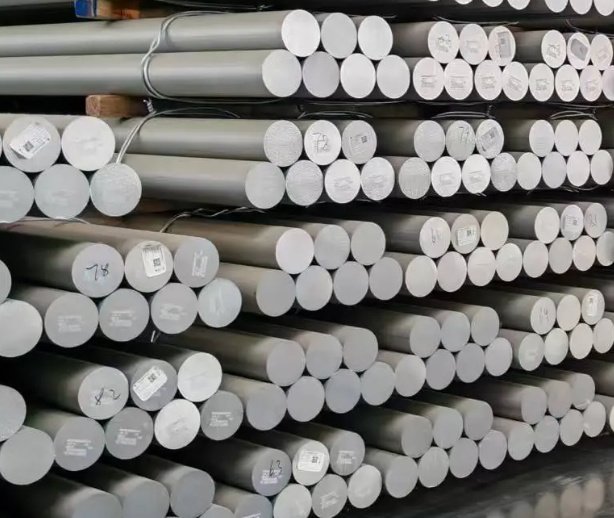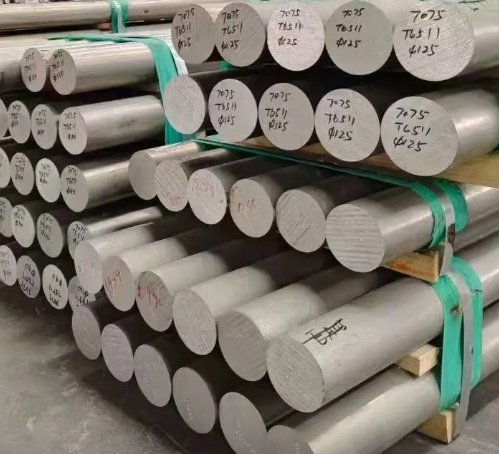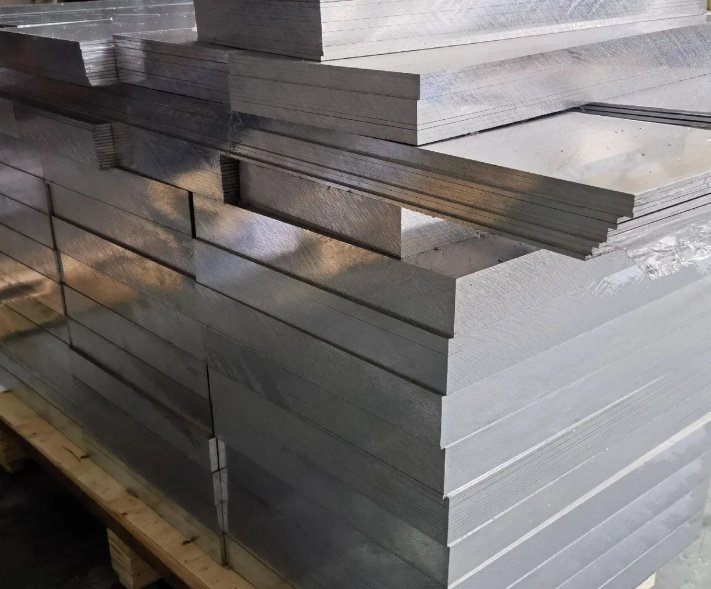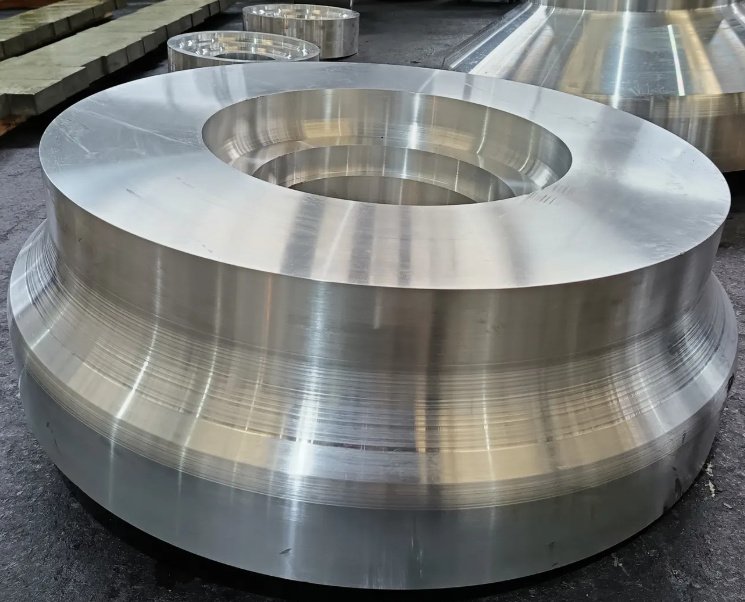
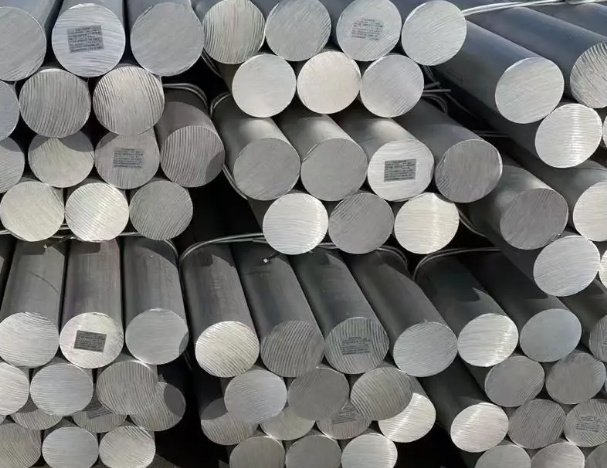
6351 Aluminum is a heat-treatable aluminum-magnesium-silicon alloy used where medium-to-high strength, good machinability, acceptable corrosion resistance and weldability are required. Also searched as Al 6351, al alloy 6351 and Aluminum 6351, it is commonly supplied as plate, sheet, bar, tube, forged parts and extruded profiles.
In practical engineering selection, 6351 is often compared with 6061 and 6082 because all three belong to the 6xxx aluminum alloy family. The best choice depends on required strength, section thickness, extrusion complexity, welding method, post-machining stability and applicable standards such as ASTM B221, ASTM B209, EN 573 and EN 755.
What Is 6351 Aluminum?
6351 aluminum is an Al-Mg-Si alloy strengthened primarily by precipitation hardening. Silicon and magnesium form Mg2Si, which enables T6 and T651 temper performance after solution heat treatment and artificial aging. Manganese is typically higher than in 6061, helping improve strength and grain structure in some product forms.
Common designations include AA 6351, UNS A96351 and EN AW-6351. In European references, it may be associated with the material number 3.0631 depending on product form and standard context.
Typical Chemical Composition of Al 6351
Composition limits vary slightly by standard and mill practice. The following table shows typical nominal ranges used for engineering reference. Always verify the mill test certificate before final design or procurement.
| Element | Typical Range or Limit, wt.% | Engineering Role |
|---|---|---|
| Aluminum | Balance | Base metal providing low density and corrosion resistance |
| Silicon | 0.7 - 1.3 | Combines with magnesium for age hardening |
| Magnesium | 0.4 - 0.8 | Strengthening through Mg2Si precipitation |
| Manganese | 0.4 - 0.8 | Improves strength and controls grain structure |
| Iron | Up to 0.5 | Common impurity; excessive levels may reduce ductility |
| Copper | Up to 0.1 | Usually controlled low to maintain corrosion resistance |
| Zinc | Up to 0.2 | Residual element controlled by specification |
| Titanium | Up to 0.2 | Grain refinement during casting |
Mechanical and Physical Properties
The values below are representative for 6351-T6 or 6351-T651 products and should be treated as design guidance, not a substitute for certified data. Properties depend on thickness, product form, grain direction, heat treatment and test standard.
| Property | Typical Value for 6351-T6 / T651 | Notes |
|---|---|---|
| Density | 2.70 g/cm3 | Similar to most wrought aluminum alloys |
| Ultimate tensile strength | 290 - 330 MPa | Depends on section and temper |
| 0.2% yield strength | 240 - 280 MPa | Important for structural load calculation |
| Elongation | 8 - 14% | Varies with gauge length and product form |
| Brinell hardness | 85 - 100 HB | Useful for machining and wear estimation |
| Elastic modulus | About 69 GPa | Comparable with 6061 and 6082 |
| Thermal conductivity | About 160 - 180 W/m·K | Good for heat-transfer structures |
| Electrical conductivity | About 40 - 45% IACS | Not primarily an electrical alloy |
6351 Aluminum Tempers and Product Forms
The most common tempers are O, T4, T6 and T651. For machined components, 6351-T651 is often preferred over T6 plate because it is stretched after heat treatment to reduce residual stress and improve dimensional stability during CNC machining.
| Temper | Description | Typical Use |
|---|---|---|
| O | Annealed, lowest strength and highest formability | Bending, forming, non-critical parts |
| T4 | Solution heat treated and naturally aged | Moderate strength, better forming before final aging |
| T6 | Solution heat treated and artificially aged | General structural profiles, bars and tubes |
| T651 | Solution heat treated, stress relieved by stretching and artificially aged | Precision-machined plate and structural components |
Engineer and buyer note: when to request T651 instead of T6
If the component requires large pocket machining, tight flatness, parallelism or long parts with asymmetric material removal, T651 is usually the safer purchasing choice. For example, a 25 mm thick plate machined down to a ribbed frame may show significantly less bowing when stress-relieved material is used. Buyers should specify alloy, temper, thickness tolerance, ultrasonic inspection if needed, mill test certificate, and applicable standard rather than ordering only by trade name.
6351 vs 6061 vs 6082 Aluminum: Practical Comparison
6351, 6061 and 6082 are all heat-treatable 6xxx alloys, but they are not identical in strength, availability or design preference. The comparison below helps match alloy selection to engineering intent.
| Item | 6351 Aluminum | 6061 Aluminum | 6082 Aluminum |
|---|---|---|---|
| Alloy family | Al-Mg-Si-Mn | Al-Mg-Si-Cu-Cr | Al-Mg-Si-Mn |
| Typical T6 strength | Medium-high | Medium | Medium-high to high |
| Machinability | Good | Good to very good | Good |
| Weldability | Good, but HAZ softening occurs | Very widely welded | Good, common in structural Europe-market use |
| Extrusion availability | Good in some regions, less universal than 6061 | Excellent global availability | Excellent in Europe and structural applications |
| Best fit | Structural extrusions, machined plates, transport and mechanical parts | General-purpose machined and welded components | Higher-strength structural profiles and plates |
Choose 6061 when global availability and broad fabrication familiarity are the priority. Choose 6082 when a stronger European structural substitute is desired. Choose al alloy 6351 when its specified strength, extrusion behavior, product availability and project standard align with the design requirement.
Machining, Cutting and Fabrication of Aluminum 6351
Aluminum 6351 machines well in T6 and T651 tempers. Sharp carbide tools, high spindle speed, adequate chip evacuation and suitable coolant help prevent built-up edge and surface tearing. For precision components, machining strategy is as important as alloy selection.
- Use polished, sharp carbide end mills designed for aluminum to reduce built-up edge.
- Apply climb milling where machine rigidity allows, especially for finishing passes.
- Rough both sides symmetrically when machining plate to reduce distortion.
- Leave a semi-finish allowance, allow the part to stabilize, then perform final finishing.
- Use T651 plate for large pockets, thin walls, long rails and flat structural frames.
- Avoid excessive tool pressure on thin-walled parts; use vacuum fixtures or soft jaws where appropriate.
A typical machining issue is post-milling warpage caused by residual stress release. In one practical manufacturing scenario, changing from non-stress-relieved T6 plate to T651 plate, using two-sided roughing and leaving 0.5 - 1.0 mm finishing stock reduced final flatness correction from repeated manual rework to a predictable single finishing operation. Actual results depend on part geometry, removal ratio and fixture rigidity.
Machining checklist for purchasing and process planning
- Confirm temper: T651 is preferred for precision plate machining.
- Check grain direction if tensile loading or bending is directional.
- Request flatness and thickness tolerance suitable for the final tolerance stack.
- Plan stress-relief machining for components with more than 50% material removal.
- Specify deburring and surface finish requirements before quoting.
Welding, Heat Treatment and Corrosion Behavior
6351 aluminum has good weldability using common aluminum welding processes such as GTAW and GMAW. Filler selection should follow the design code, base material condition and corrosion environment. For many 6xxx alloys, 4043 and 5356 fillers are commonly considered, but the correct choice depends on strength, ductility, color match after anodizing and service exposure.
Welded 6351-T6 structures will experience heat-affected-zone softening. The HAZ may have lower yield strength than the parent metal, so design calculations should not assume full T6 strength across the welded joint unless qualified procedures and post-weld heat treatment support that assumption.
General atmospheric corrosion resistance is good, especially when surfaces are anodized, powder coated or properly sealed. However, aluminum alloys can suffer galvanic corrosion when connected to stainless steel, carbon steel or copper alloys in wet environments. Use isolation washers, sealants, compatible fasteners and drainage design to reduce corrosion risk.
Applications of 6351 Aluminum
6351 is used in applications requiring a balance of strength, weight reduction, machinability and corrosion resistance. Common uses include:
- Structural extrusions and frames
- Transport and rail components
- Machined plates, brackets, base plates and fixtures
- Automotive and general mechanical parts
- Marine and outdoor structures with appropriate surface protection
- Hydraulic and pneumatic components where standards permit
- Tube, bar and forged parts for medium-strength engineering service
Historical use also includes some high-pressure gas cylinders, including certain scuba and industrial cylinders. For pressure vessels, Aluminum 6351 requires particular caution because some older 6351-T6 cylinders have been associated with sustained-load cracking. Pressure-containing applications must follow the relevant cylinder standard, inspection rules and regulatory requirements.
Buyer perspective: risk points before approving 6351 for pressure or safety-critical parts
For pressure vessels, lifting parts, transportation safety components or fatigue-loaded structures, buyers should not approve a substitution based only on nominal strength. Confirm the governing standard, allowable stress, fracture or fatigue requirements, inspection frequency, traceability, heat treatment record and whether the application has any known alloy-specific limitations.
Advantages and Limitations
| Advantages | Limitations |
|---|---|
| Good strength-to-weight ratio | Not as strong as 2xxx or 7xxx aerospace alloys |
| Good machinability in T6 and T651 tempers | Residual stress can cause distortion if the wrong temper is used |
| Good corrosion resistance in normal environments | Needs galvanic protection in mixed-metal wet assemblies |
| Weldable using common aluminum processes | Weld heat-affected zones lose strength |
| Available as extrusions, plates, bars and tubes in many markets | Less universally stocked than 6061 in some regions |
How to Specify 6351 Aluminum for Procurement
To avoid ambiguity, a purchase specification should include alloy designation, temper, product form, dimensions, tolerance, standard, surface condition and certification requirement. A complete line item is better than a generic description such as “6351 aluminum plate.”
Example specification: AA 6351-T651 aluminum plate, 20 mm x 500 mm x 1000 mm, ASTM B209 or agreed equivalent, mill finish, with material test certificate showing chemical composition and mechanical properties.
- For extrusions: define profile drawing, wall thickness, temper, straightness and cut length tolerance.
- For plate: define thickness tolerance, flatness, stress-relieved temper and inspection requirements.
- For machined parts: define final tolerance, surface roughness, deburring, anodizing or coating.
- For welded structures: define filler metal, weld procedure, inspection level and post-weld requirements.
Summary: Is Al 6351 the Right Alloy?
Al 6351 is a practical engineering alloy when a project needs a heat-treatable 6xxx aluminum with good strength, machinability, weldability and corrosion resistance. It competes directly with 6061 and 6082, but the correct choice should be based on certified mechanical properties, temper availability, fabrication route, tolerance requirements and service environment.
For precision-machined components, specify T651 where available. For welded structures, account for HAZ softening. For pressure or safety-critical service, verify the governing standard and known service limitations before approving 6351 as the final material.