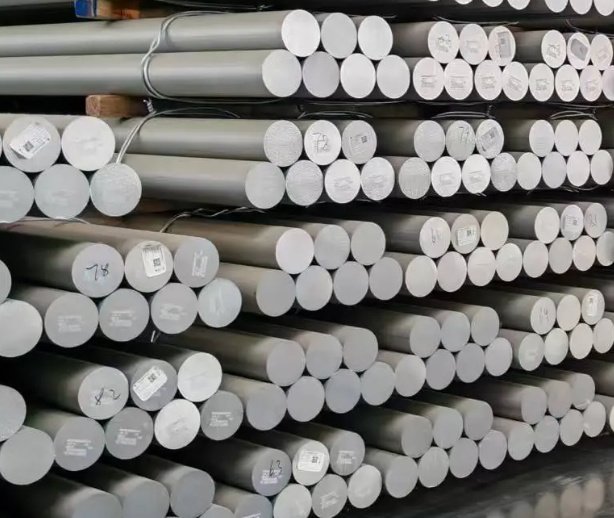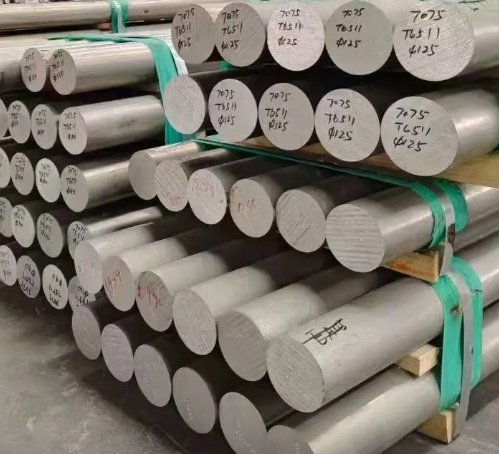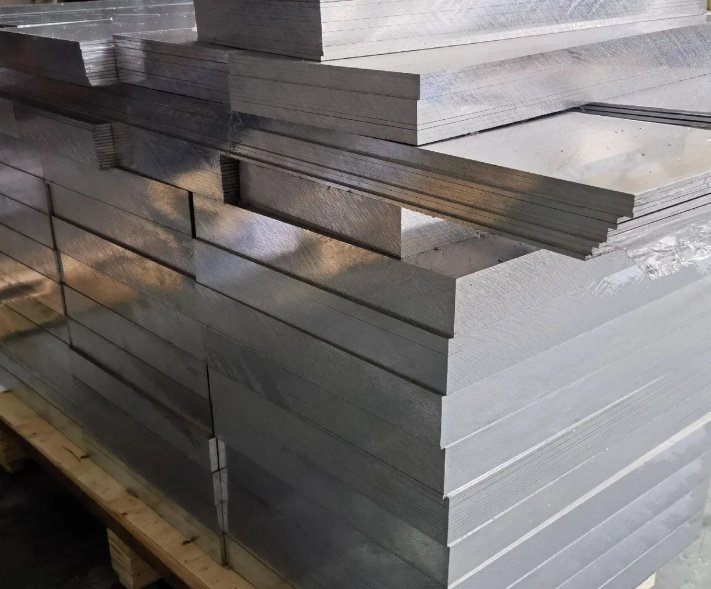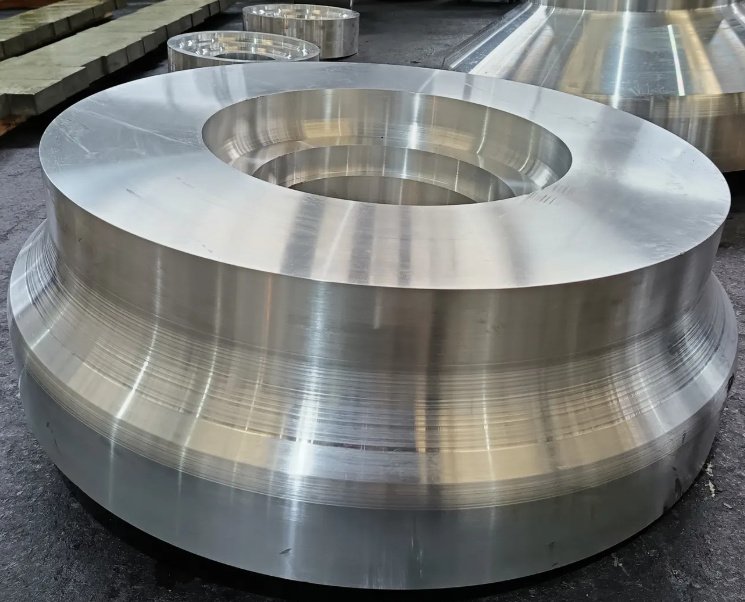
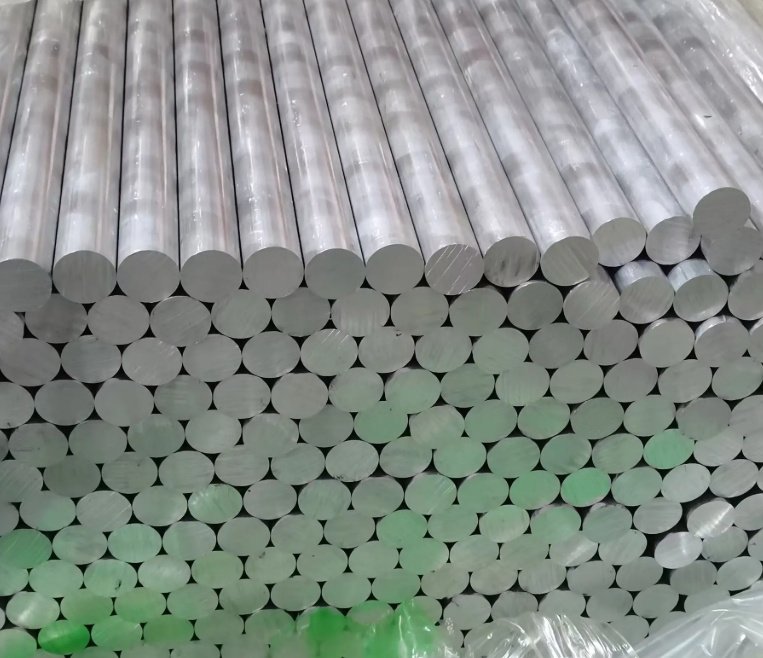
6463 Aluminum, commonly written as Al 6463, is a heat-treatable aluminum-magnesium-silicon alloy in the 6000 series. It is best known for decorative extrusions, bright anodized profiles and architectural trim where visual quality is critical. Compared with general-purpose 6063, 6463 usually offers a cleaner, brighter anodized finish because it has tighter limits on iron and other color-influencing impurities.
Engineers, buyers and fabricators often specify al alloy 6463 when the part must combine moderate strength, good corrosion resistance, excellent extrudability and a high-quality cosmetic surface. Some supplier databases may also list the material as Al 6463, aluminum alloy 6463, 6463-T5 or 6463-T6 depending on temper and product form.
What Is 6463 Aluminum?
6463 aluminum is an aluminum extrusion alloy designed for applications where appearance is more important than maximum structural strength. It belongs to the Al-Mg-Si family, meaning magnesium and silicon form magnesium silicide during heat treatment, which improves strength after aging.
The alloy is often used for thin-wall profiles, decorative tubes, trim strips, shower-door frames, appliance handles, display frames, furniture profiles and automotive bright trim. Its main advantage is not simply strength; 6463 aluminum is selected when anodized brightness, color consistency and surface smoothness are key acceptance criteria.
- Alloy family: 6000 series aluminum, Al-Mg-Si
- Primary production method: extrusion, followed by aging and finishing
- Common tempers: 6463-T5, 6463-T52 and 6463-T6
- Typical finish: polished, bright-dipped, clear anodized, colored anodized or powder coated
- Typical standards to verify: ASTM B221, ASTM B241, EN 755, EN 12020 and customer-specific extrusion specifications
Typical Chemical Composition of Al 6463
The composition of Al 6463 is controlled to support bright anodizing and decorative surface performance. Exact limits can vary by standard, product form and mill certificate, so the values below should be used as a typical reference rather than a substitute for the latest applicable specification.
| Element | Typical Range or Maximum, wt.% | Role in the Alloy |
|---|---|---|
| Aluminum | Remainder | Base metal providing low density and corrosion resistance |
| Magnesium | 0.45–0.90 | Combines with silicon for precipitation hardening |
| Silicon | 0.20–0.60 | Forms Mg2Si and improves heat-treat response |
| Iron | 0.15 max | Kept low to improve bright anodized appearance |
| Copper | 0.20 max | Minor strength effect; excessive copper can reduce corrosion resistance |
| Manganese | 0.05 max | Controlled to preserve surface brightness |
| Chromium | 0.05 max | Restricted because it can affect anodized color |
| Zinc | 0.05 max | Limited to maintain corrosion and finishing consistency |
| Titanium | 0.15 max | Grain refinement during casting |
The low iron level is one of the most important differences between 6463 and many general extrusion alloys. Iron-rich intermetallic particles can darken or dull anodized surfaces, especially after bright dipping. For decorative parts, mill chemistry should be reviewed together with billet quality, die condition, polishing method and anodizing line control.
Mechanical Properties by Temper
Mechanical properties depend on extrusion geometry, wall thickness, quench rate, aging practice and test direction. The following figures are representative values commonly seen in commercial extrusions and should be confirmed by material test reports or the governing standard.
| Temper | Ultimate Tensile Strength | Yield Strength | Elongation | Typical Use Case |
|---|---|---|---|---|
| 6463-T5 | 140–180 MPa | 90–150 MPa | 8–15% | Decorative extrusions requiring good form stability and anodizing |
| 6463-T52 | 130–170 MPa | 85–140 MPa | 10–18% | Profiles needing improved dimensional stability after stress relief |
| 6463-T6 | 190–230 MPa | 160–200 MPa | 8–12% | Parts requiring higher strength while retaining a decorative finish |
For most decorative profiles, 6463-T5 is sufficient. If the profile needs better load capacity or screw retention, 6463-T6 may be selected, but the supplier should confirm that the chosen heat treatment still supports the required surface finish. Over-aging, poor quenching or uneven wall thickness can create variation in hardness, distortion and color response after anodizing.
6463 Aluminum vs 6063, 6061 and 6060
The search intent behind 6463 Aluminum is often comparative: engineers want to know whether it is stronger than 6063, brighter than 6060 or easier to machine than 6061. The practical answer is that Al 6463 is usually chosen for finish quality, while 6061 is chosen for higher strength and broader structural use.
| Alloy | Primary Advantage | Anodizing Appearance | Strength Level | Extrudability | Best Fit |
|---|---|---|---|---|---|
| 6463 | Bright decorative finish | Excellent for clear and bright anodizing | Moderate | Excellent | Trim, frames, handles and visible extrusions |
| 6063 | Balanced extrusion alloy | Good, but generally less bright than 6463 | Moderate | Excellent | Architectural profiles, window frames and general extrusions |
| 6061 | Higher strength and broader availability | Acceptable, but not ideal for bright cosmetic anodizing | Higher | Good, but less suitable for complex thin-wall profiles | Structural brackets, plates, machined parts and load-bearing components |
| 6060 | Good formability and extrusion response | Good decorative anodizing | Low to moderate | Excellent | European architectural and light-duty profiles |
If the project requires a mirror-like anodized profile, al alloy 6463 is often a better candidate than 6063. If the project requires high mechanical performance, threaded holes, heavy brackets or fatigue-loaded parts, 6061-T6 may be more appropriate even though its cosmetic anodizing result may be less bright.
Processing, Machining and Fabrication Guidance
6463 aluminum is generally easy to extrude, cut, machine, form and finish. However, because many 6463 parts are cosmetic, processing must control both dimensional accuracy and surface defects. A small die line, pickup mark or polishing scratch may be acceptable on a hidden structural profile but unacceptable on a bright anodized handle or trim strip.
Extrusion
Al 6463 performs well in thin-wall and complex extrusion dies. For decorative profiles, the extrusion supplier should control billet homogenization, container cleanliness, die polishing, exit temperature and quench uniformity. Poor die maintenance can cause streaks that become more visible after etching, bright dipping and anodizing.
Machining
6463 machines similarly to 6063 but may produce longer chips than harder 6061-T6. Carbide tools with polished flutes are recommended for clean edges on visible parts. Typical starting parameters for CNC milling include cutting speeds of about 300–800 m/min with carbide tooling and feed per tooth around 0.05–0.25 mm, adjusted for tool diameter, rigidity and surface finish requirements.
For drilling and tapping, use sharp tools, chip evacuation and suitable coolant or mist lubrication. Burr control is important because raised edges can burn during anodizing or trap polishing compound. If the part will be bright anodized, avoid aggressive clamping marks and use protective films or soft jaws during secondary processing.
Forming and Bending
6463-T5 can be bent in moderate radii, but tight bends may crack depending on wall thickness, temper and extrusion direction. If severe forming is required, engineers should consider forming in a softer temper and aging afterward, or run bend trials before releasing production tooling.
Welding
6463 aluminum can be welded by TIG or MIG processes, often using 4043 or 5356 filler depending on joint design and service environment. However, welded areas may respond differently during anodizing because the filler alloy and heat-affected zone can show color mismatch. For visible anodized assemblies, welding should be minimized or hidden where possible.
Anodizing and Bright Dipping
Bright anodizing is the signature advantage of 6463. The best results typically come from high-quality billets, low iron content, smooth extrusion surfaces, mechanical polishing or buffing, controlled chemical bright dipping, sulfuric acid anodizing and consistent sealing. Anodizing performance is a system result, not a property of the alloy alone.
Engineering note: reducing cosmetic rejection in bright anodized extrusions
A common engineering problem is high rejection after anodizing due to haze, streaks and die lines. In one decorative trim production review, changing from standard 6063-T5 to 6463-T5, adding die face repolishing every 8 production hours and tightening incoming billet iron to 0.12% maximum reduced visible surface rejection from 8.5% to 2.1% over three production lots. The alloy change alone did not solve the issue; the measurable improvement came from combining alloy selection, die maintenance and anodizing process control.
Applications of 6463 Aluminum
6463 Aluminum is mainly used where the buyer or end user will see and touch the part. It is less common for heavy structural duty but highly valuable in decorative, architectural and consumer-facing applications.
- Bright anodized architectural trim and moldings
- Window, door and shower enclosure profiles
- Automotive and transportation decorative strips
- Appliance handles, refrigerator trim and household hardware
- Retail display frames, sign frames and lighting housings
- Furniture profiles, tubes and edge trims
- Consumer electronics and instrument face frames
For outdoor applications, 6463 provides good atmospheric corrosion resistance when properly anodized or coated. In coastal or chemically aggressive environments, the anodic film thickness, sealing quality and galvanic contact with stainless steel, carbon steel or copper-bearing metals should be reviewed during design.
Buyer checklist for sourcing al alloy 6463 extrusions
- Specify alloy and temper clearly, such as 6463-T5 or 6463-T6.
- Request mill test certificates showing chemistry, mechanical properties and traceability.
- Define the finish: mill finish, polished, bright dip anodized, clear anodized, black anodized or powder coated.
- Set visual acceptance standards for die lines, streaks, scratches, dents, color variation and gloss.
- Confirm dimensional tolerance standard, such as ASTM B221, EN 755 or EN 12020.
- Ask for pre-production samples after the final anodizing process, not only raw extrusion samples.
- Control packaging requirements because cosmetic 6463 profiles are easily damaged during transport.
Design Limits, Quality Control and When to Choose Another Alloy
Al 6463 is not a universal replacement for every aluminum alloy. It is excellent for decorative extrusions, but it may not be the best choice for high-load structural parts, thick machined plates or components requiring maximum fatigue strength.
Quality control should include chemical analysis, tensile testing where required, hardness checks, conductivity checks for heat-treatment consistency, visual inspection before and after anodizing, dimensional inspection and coating thickness measurement. For anodized parts, common film thickness ranges include about 5–10 micrometers for indoor decorative use and 15–25 micrometers for more demanding architectural exposure, depending on the relevant specification and service environment.
Typical failure or rejection modes include anodizing streaks, cloudy bright finish, orange peel, die pickup, quench distortion, poor screw retention in thin walls, galvanic staining and color mismatch between different extrusion lots. Lot-to-lot consistency is often more important than peak mechanical strength for visible 6463 aluminum components.
When 6463 aluminum may not be the best option
- Choose 6061-T6 or 6082-T6 for higher structural strength and machined brackets.
- Choose 5052 or 5754 when excellent sheet formability and marine corrosion resistance are more important than extrusion response.
- Choose 6063 when a good anodized finish is acceptable and cost or availability is more important than maximum brightness.
- Choose 7075 only for high-strength aerospace or performance parts where corrosion protection and cost are handled separately.
Summary: Is 6463 Aluminum Right for Your Project?
6463 Aluminum is a specialized 6000-series extrusion alloy optimized for bright decorative anodizing, good corrosion resistance and reliable profile production. Compared with 6063, it is usually preferred for premium cosmetic surfaces. Compared with 6061, it is easier to extrude into fine profiles and can deliver a better anodized appearance, but it does not provide the same high strength.
For engineers, the best use of Al 6463 is in visible extruded components where appearance, dimensional consistency and finish repeatability drive the specification. For buyers, the most important purchasing controls are verified chemistry, correct temper, surface acceptance limits, anodizing samples and protective packaging. When specified with these controls, al alloy 6463 can deliver stable production results for high-quality architectural, consumer and decorative aluminum products.