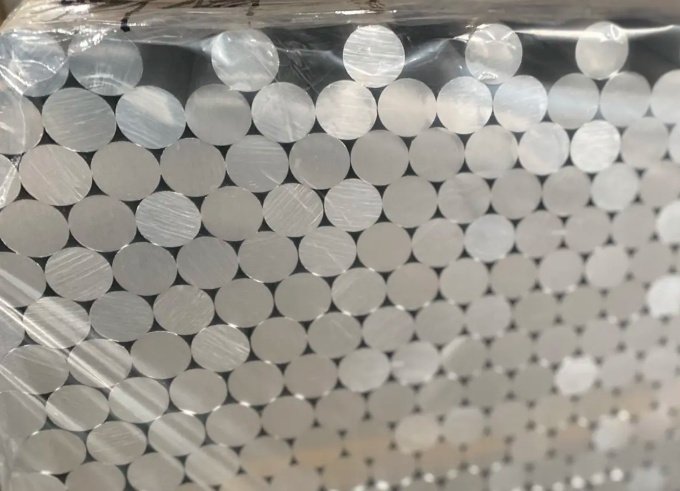
2219 Aluminum is a high-strength, heat-treatable aluminum-copper alloy developed for aerospace structures, cryogenic tanks, high-temperature components and welded assemblies that require dimensional stability and predictable mechanical performance. Also searched as Al 2219, 2219 aluminium, or AA2219, this alloy is valued for its combination of strength, fracture toughness, weldability and service capability from cryogenic temperatures to moderately elevated temperatures.
Unlike many high-strength aluminum alloys, al alloy 2219 can be fusion welded with suitable filler metal and can retain useful properties after proper thermal processing. For engineers comparing Aluminum 2219 with 2024, 6061, 7075 or 7050, the key question is not only ultimate tensile strength, but also weld performance, fatigue behavior, thermal stability, corrosion protection requirements and supply form availability.
What Is 2219 Aluminum?
Aluminum 2219 is an Al-Cu precipitation-hardening alloy registered in the 2xxx aluminum family. Copper is the primary strengthening element, while controlled additions of manganese, zirconium, vanadium and titanium help improve grain structure, recrystallization resistance and mechanical stability during thermal exposure.
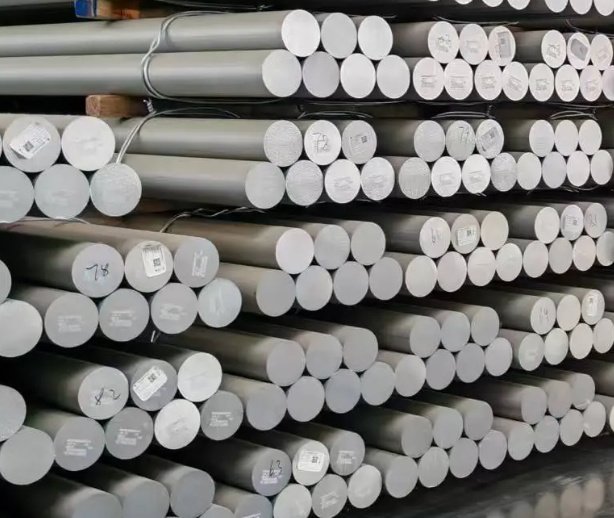
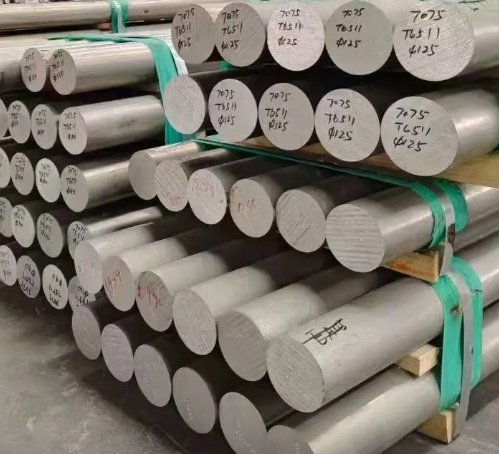
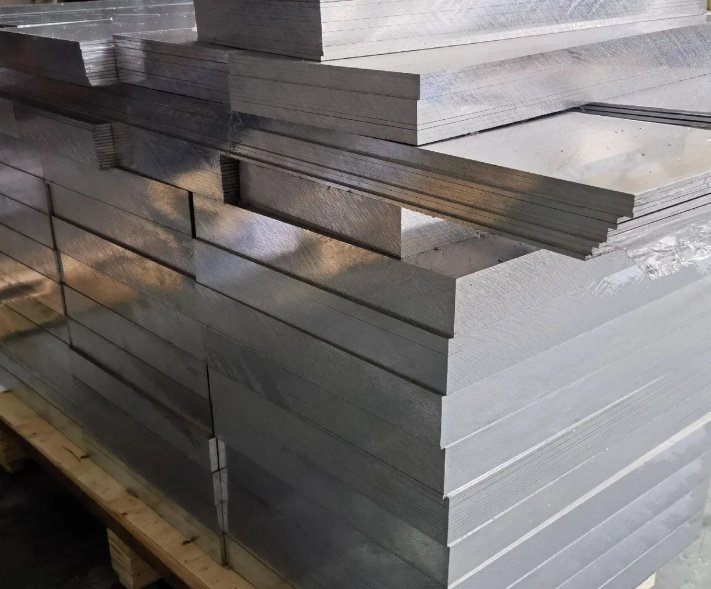
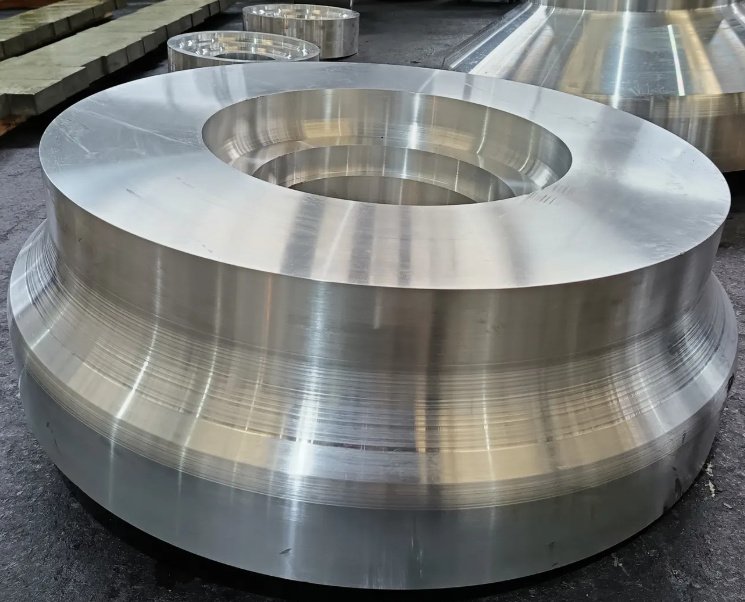
The alloy is commonly supplied as plate, sheet, bar, forgings, extrusions and aerospace-grade products. It is frequently specified where a structure must be machined, welded, heat treated and inspected under demanding qualification requirements.
| Element | Typical Range, wt.% | Engineering Role |
|---|---|---|
| Aluminum | Balance | Base metal providing low density and corrosion-resistance foundation |
| Copper | 5.8 - 6.8 | Main precipitation-strengthening element |
| Manganese | 0.20 - 0.40 | Improves grain control and strength stability |
| Zirconium | 0.10 - 0.25 | Supports recrystallization resistance and thermal stability |
| Vanadium | 0.05 - 0.15 | Contributes to grain refinement and structural stability |
| Titanium | 0.02 - 0.10 | Assists grain refinement |
| Iron | Max. 0.30 | Controlled impurity |
| Silicon | Max. 0.20 | Controlled impurity |
| Zinc | Max. 0.10 | Controlled impurity |
Composition limits may vary slightly by product form and governing specification, such as ASTM, AMS, QQ-A legacy specifications or customer-controlled aerospace material standards. Final acceptance should always be based on the purchase specification and certified mill test report.
Key Properties of Al Alloy 2219
The following values are typical engineering references and should not replace certified material data. Actual performance depends on product form, thickness, temper, heat treatment, grain direction and inspection level.
| Property | Typical Value | Notes |
|---|---|---|
| Density | 2.84 g/cm³ | Higher than 6061 due to copper content, still lightweight versus steel or titanium |
| Elastic Modulus | Approximately 73 GPa | Comparable to most wrought aluminum alloys |
| Ultimate Tensile Strength, T851 plate | Approximately 430 - 470 MPa | Thickness and direction dependent |
| Yield Strength, T851 plate | Approximately 300 - 380 MPa | Often used for machined aerospace parts |
| Elongation | Typically 5 - 12% | Varies by temper and product form |
| Thermal Conductivity | Approximately 120 - 170 W/m·K | Temper and temperature dependent |
| Coefficient of Thermal Expansion | Approximately 22.3 µm/m·K | Important for cryogenic and thermal cycling design |
| Melting Range | Approximately 543 - 643°C | Useful for thermal processing awareness, not a welding limit by itself |
The practical value of Aluminum 2219 is its balance of high specific strength, weldability and toughness in demanding environments. It is often selected when 7075-class strength is not the only priority and when welded fabrication or cryogenic service must be considered early in the design.
Common 2219 Aluminum Tempers and How They Affect Performance
Temper selection is one of the most important decisions for 2219 aluminum. The same alloy can behave very differently in forming, welding, machining and final service depending on heat treatment and stress relief.
| Temper | Typical Condition | Common Use |
|---|---|---|
| O | Annealed | Improved formability before subsequent heat treatment |
| T31 | Solution heat treated, cold worked and naturally aged | Sheet applications requiring moderate strength |
| T37 | Solution heat treated, cold worked and naturally aged with greater cold work | Higher-strength sheet and formed components |
| T62 | Solution heat treated and artificially aged by user or processor | Parts requiring post-fabrication heat treatment |
| T81 | Solution heat treated, cold worked and artificially aged | High-strength sheet and plate applications |
| T851 | Solution heat treated, stress relieved by stretching and artificially aged | Machined plate, tooling, aerospace structural parts |
| T87 | Solution heat treated, cold worked and artificially aged | High-strength aerospace sheet and pressure structures |
For thick plate and precision CNC parts, 2219-T851 is often preferred because stretching reduces residual stress and improves dimensional stability. For thin sheet or welded tank structures, T87 or post-weld heat-treated conditions may be considered depending on drawing requirements.
Buyer note: choosing a temper for purchase orders
A purchase order should not state only “2219 aluminum.” It should include alloy, temper, product form, thickness or diameter, applicable specification, inspection requirement, ultrasonic testing if required, grain direction requirements and certification language. For example, “2219-T851 aluminum plate to AMS specification with mill test certificate” is much clearer than a generic alloy request.
2219 Aluminum vs 2024, 6061 and 7075
Many searches for al alloy 2219 are comparison-driven. Engineers often want to know whether 2219 is stronger than 6061, more weldable than 2024, or more suitable than 7075 for aerospace assemblies. The answer depends on design priorities.
| Alloy | Strength Level | Weldability | Corrosion Resistance | Best-Fit Applications |
|---|---|---|---|---|
| 2219 | High | Good for a high-strength 2xxx alloy, especially with 2319 filler | Fair; usually needs protective finish | Aerospace tanks, cryogenic structures, welded high-strength assemblies |
| 2024 | High | Poor to limited for fusion welding | Fair; often clad or coated | Aircraft skins, ribs, fatigue-critical non-welded structures |
| 6061 | Medium | Excellent | Good | General structures, machined parts, frames, fixtures, marine components |
| 7075 | Very high | Poor for conventional fusion welding | Moderate to fair; stress corrosion must be considered | Highly loaded aircraft parts, tooling, non-welded structural components |
| 7050 | Very high | Limited | Better stress corrosion resistance than some 7075 tempers | Thick aerospace plate, bulkheads, wing structures |
In simple terms, 6061 is easier to source, weld and anodize but does not match the strength of 2219. 7075 and 7050 can exceed 2219 in peak strength, but they are typically less suitable for fusion-welded structures. 2024 is strong and fatigue resistant, but 2219 is usually the better choice when weldability and elevated-temperature stability are part of the requirement.
The most defensible selection is based on load case, weld plan, inspection method, environment, post-processing and acceptable risk. For welded pressure or cryogenic hardware, 2219 Aluminum remains a proven candidate because it provides a rare combination of high strength and weldable fabrication capability.
Applications of Aluminum 2219
2219 is strongly associated with aerospace and launch vehicle structures, but it is also used in precision engineering where thermal stability, weld integrity or high strength-to-weight ratio is required.
- Liquid oxygen and liquid hydrogen tank structures
- Rocket and spacecraft components
- Aerospace skins, frames, ribs and fittings
- Welded pressure vessels and high-strength tanks
- High-temperature structural parts within aluminum service limits
- Machined tooling plates, fixtures and precision structural members
- Military and defense components requiring certified material traceability
In cryogenic service, the alloy is valued because many aluminum alloys retain or improve toughness at very low temperatures. This makes 2219 a practical choice for structures that must survive thermal contraction, internal pressure and cyclic loading without excessive weight.
Engineering example: cryogenic tank material selection
A launch-vehicle tank panel may experience large temperature gradients during filling and draining. If the design uses a weldable alloy with predictable toughness at cryogenic temperature, engineers can reduce risk at the weld seam and heat-affected zone. In this context, Al 2219 is often favored over non-weldable high-strength alloys because weld qualification, fracture mechanics data and inspection procedures are more mature for aerospace tank applications.
Machining, Forming and Fabrication Guidance
2219 aluminum machines well in hardened tempers such as T851, especially when compared with softer annealed conditions that may produce gummy chips. However, the alloy’s copper content and strength require correct tooling, chip evacuation and heat control.
- Use sharp carbide tools with polished flutes for milling and drilling.
- Maintain rigid workholding to avoid chatter in thin-wall aerospace parts.
- Use high-flow coolant or mist lubrication to control heat and improve chip evacuation.
- Consider stress-relieved plate such as T851 for parts with tight flatness or parallelism requirements.
- Plan rough machining, stress relief if required, and finish machining for dimensionally critical components.
- Avoid aggressive clamping on thin sheet or plate to reduce distortion after release.
In CNC machining, typical issues include burr formation, residual-stress movement, tool wear on long production runs and distortion after pocketing. For aerospace brackets and panels, a stable machining strategy may reduce scrap more effectively than simply reducing feed rate.
| Process | Recommended Focus | Risk if Ignored |
|---|---|---|
| Milling | Rigid setup, sharp carbide, high chip clearance | Chatter, poor surface finish, dimensional drift |
| Drilling | Pecking for deep holes, coolant, proper point geometry | Hole oversize, chip packing, burrs |
| Turning | Positive rake tools and controlled chip breaking | Built-up edge and inconsistent finish |
| Thin-wall machining | Balanced stock removal and intermediate inspection | Warping after unclamping |
| Deburring | Controlled manual or automated deburr | Edge damage and nonconforming radii |
Forming is easier in softer tempers and more difficult in high-strength aged tempers. If a design requires bending, flanging or stretch forming, confirm bend radius, temper, thickness and heat-treatment sequence before ordering material.
Welding, Heat Treatment and Post-Weld Performance
One of the major advantages of 2219 over many other high-strength aluminum alloys is its weldability. Gas tungsten arc welding, gas metal arc welding and advanced welding processes may be used when procedures are properly qualified. Filler alloy 2319 is commonly associated with 2219 welding because it is compositionally compatible and supports post-weld strength recovery.
Welding still changes the microstructure. The heat-affected zone can lose strength due to precipitate coarsening or dissolution, and post-weld heat treatment may be necessary when the design requires higher joint efficiency. Weld qualification should consider tensile strength, bend testing, radiographic inspection, dye penetrant inspection, fracture toughness and fatigue requirements.
A realistic engineering expectation is that as-welded strength will be lower than parent metal strength. With qualified post-weld solution heat treatment and artificial aging, joint properties can be improved, but distortion control becomes more difficult. This trade-off must be addressed before fabrication begins, not after final inspection.
Fabrication note: avoiding costly weld rework
Many nonconformances in 2219 welded assemblies are caused by incomplete alignment between design, welding procedure, filler selection, inspection acceptance criteria and heat-treatment plan. For high-value structures, engineers should freeze the weld procedure specification, material temper, filler alloy, fixture strategy and non-destructive testing method before production release.
Corrosion Resistance, Surface Protection and Environmental Limits
Because 2219 contains a relatively high copper level, its natural corrosion resistance is lower than that of 5xxx and 6xxx aluminum alloys. In aerospace and outdoor environments, surface protection is usually required.
- Chemical conversion coating for paint adhesion and temporary protection
- Primer and topcoat systems for aerospace exterior exposure
- Anodizing where permitted by specification and part geometry
- Sealants at faying surfaces, joints and fastener interfaces
- Galvanic isolation from carbon steel, stainless steel, titanium or carbon fiber composites
For marine or chloride-rich environments, 2219 should not be selected only on strength. Corrosion allowance, finish system, drainage, fastener compatibility and maintenance interval must be reviewed. In many general-purpose corrosive environments, 6061, 5083 or 5052 may be more economical and more corrosion tolerant.
Procurement, Specifications and Quality Control
For buyers, 2219 aluminum is not a commodity substitute for general aluminum plate. Availability, certification, temper, lot traceability and inspection documents can determine whether the material is acceptable for aerospace or defense use.
| Requirement | Why It Matters |
|---|---|
| Alloy and temper | Mechanical properties and processability depend heavily on temper |
| Product form | Plate, sheet, bar, forging and extrusion have different property limits |
| Applicable standard | AMS, ASTM or customer specifications define acceptance criteria |
| Thickness tolerance | Important for machining allowance and weight control |
| Grain direction | Affects tensile properties, fracture behavior and machining layout |
| Mill test certificate | Confirms chemistry, mechanical properties, heat number and traceability |
| Ultrasonic inspection | May be required for critical thick plate or flight hardware |
| Surface condition | Impacts machining yield, inspection and finishing cost |
Buyer note: common sourcing risks
The most common sourcing risks are quoting the wrong temper, accepting non-certified substitute material, underestimating lead time for aerospace plate, and failing to specify inspection requirements before production. If the part is flight critical, pressure retaining or defense controlled, require full traceability and verify that the material certificate matches the governing drawing.
When Should You Choose 2219 Aluminum?
Choose 2219 aluminum when the application needs high strength, weldable fabrication, stable mechanical behavior and proven aerospace performance. It is especially suitable when the part will be welded and then qualified under strict inspection or when cryogenic service is a major design condition.
Consider another alloy when corrosion resistance, low cost, broad stock availability or decorative anodizing is more important than high-temperature strength and weldable aerospace performance. For example, 6061 may be better for general machined structures, while 7075 may be better for non-welded components requiring maximum static strength.
The strongest material is not always the best material. In many real engineering programs, Aluminum 2219 ranks highly because it reduces system-level risk: it can be welded, inspected, heat treated, machined and documented within established aerospace manufacturing routes.
Summary: 2219 Aluminum Selection Snapshot
| Question | 2219 Aluminum Answer |
|---|---|
| Is it strong? | Yes. It offers high strength for a wrought aluminum alloy, especially in T8-series tempers. |
| Is it weldable? | Yes. It is one of the more weldable high-strength aluminum alloys when proper filler and procedures are used. |
| Is it corrosion resistant? | Only fair. Protective finishing is normally recommended. |
| Is it good for machining? | Yes, particularly in stable tempers such as T851 with suitable tooling and workholding. |
| Is it good for cryogenic structures? | Yes. It has a strong history in aerospace cryogenic tank and pressure-structure applications. |
| Is it a low-cost general-purpose alloy? | No. It is usually selected for performance-critical applications rather than commodity fabrication. |
For engineering teams evaluating al alloy 2219, the best decision comes from matching alloy data to the full manufacturing route: product form, temper, welding procedure, machining plan, corrosion protection, inspection level and final operating environment. When those variables align, 2219 Aluminum provides a highly capable solution for aerospace-grade structures and precision high-strength assemblies.