
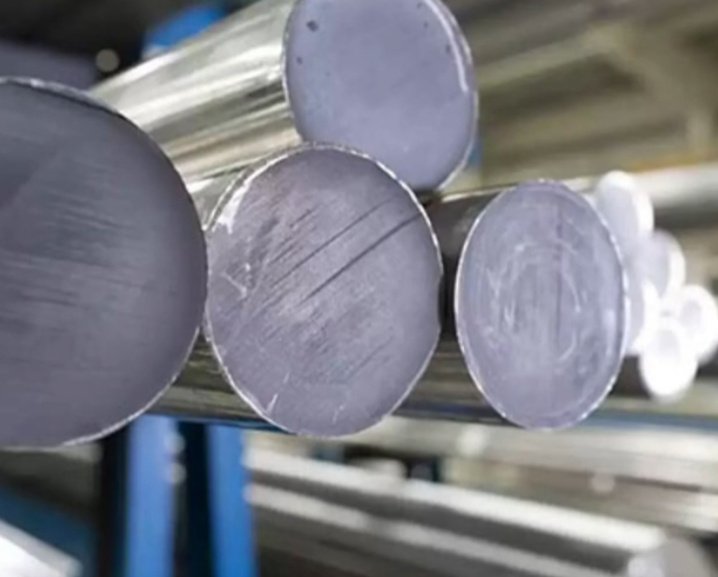
As industrial processes become more aggressive and environmental regulations tighten, the demand for high-performance nickel-molybdenum-chromium superalloys continues to rise. In 2026, Hastelloy remains the gold standard for resisting localized corrosion, particularly in chemical processing, pollution control, and power generation sectors. This guide provides a comprehensive analysis of current market pricing, emerging applications, and technical selection criteria to help engineers and procurement specialists make informed decisions.
Market Overview: Hastelloy Price Trends in 2026
The pricing structure for Hastelloy alloys in 2026 is influenced by several macroeconomic factors, including the volatility of raw material costs (nickel, molybdenum, and tungsten), supply chain logistics, and energy surcharges. Unlike standard stainless steels, Hastelloy prices are highly sensitive to the London Metal Exchange (LME) nickel prices and the availability of high-purity molybdenum.
Industry data indicates a moderate price increase of approximately 5-8% compared to 2025 levels. This adjustment reflects the increased energy costs associated with the complex melting and forging processes required for these superalloys. Buyers are advised to consider long-term agreements to mitigate spot market fluctuations.
View Estimated 2026 Price Ranges per Kilogram
- Hastelloy C-276: $45 - $55/kg (Standard plate/sheet)
- Hastelloy C-22: $50 - $62/kg (Higher chromium content premium)
- Hastelloy X: $40 - $48/kg (High-temperature applications)
- Hastelloy B-3: $55 - $65/kg (Specialized reducing environments)
*Note: Prices vary significantly based on form (bar, pipe, fitting), quantity, and specific certification requirements (e.g., NACE MR0175).
Key Applications Driving Demand in 2026
Hastelloy alloys are not merely materials of last resort; they are increasingly specified as first-choice materials for critical components where failure is not an option. The versatility of the Hastelloy family allows it to serve diverse industries.
Chemical Processing Industry (CPI)
In the CPI, Hastelloy C-276 and C-22 are extensively used in reactors, heat exchangers, and piping systems handling mixed acids. The ability to withstand oxidizing and reducing media simultaneously makes them indispensable in the production of pharmaceuticals, agrochemicals, and specialty polymers.
Flue Gas Desulfurization (FGD) Systems
With stricter sulfur emission limits globally, power plants are upgrading their FGD systems. Hastelloy C-22 is preferred for scrubber internals due to its exceptional resistance to chloride-induced pitting and crevice corrosion in wet, acidic environments.
Waste Incineration and Hazardous Waste Treatment
The combustion of hazardous waste generates highly corrosive byproducts, including hydrochloric acid and chlorine gas. Hastelloy S and Hastelloy G-30 offer superior performance in these high-temperature, corrosive atmospheres, extending equipment lifespan and reducing maintenance downtime.
Technical Selection Tips: Choosing the Right Alloy
Selecting the appropriate Hastelloy grade requires a thorough understanding of the process environment. Engineers must evaluate temperature, concentration of corrosive agents, presence of impurities, and mechanical stress.
Corrosion Mechanism Identification is the first step. Is the primary threat general corrosion, pitting, crevice corrosion, or stress corrosion cracking (SCC)? For instance, if SCC in chloride environments is a concern, Hastelloy C-22 is often superior to C-276 due to its higher chromium and tungsten content.
Comparison: Hastelloy C-276 vs. C-22
| Feature | Hastelloy C-276 | Hastelloy C-22 |
|---|---|---|
| Chromium Content | 14.5-16.5% | 20.0-22.5% |
| Oxidizing Media Resistance | Good | Excellent |
| Weldability | Excellent | Excellent (Lower risk of precipitates) |
| Cost | Lower | Higher |
Fabrication and Welding Considerations
Proper fabrication is crucial to maintaining the corrosion resistance of Hastelloy alloys. These materials are work-hardened rapidly, requiring robust machining strategies. During welding, it is essential to maintain cleanliness to prevent contamination from carbon steel or other metals, which can lead to premature failure.
Post-weld heat treatment is generally not required for most Hastelloy grades, but pickling and passivation may be necessary to restore the passive oxide layer, especially if the surface has been exposed to high temperatures or contaminants during fabrication.
Conclusion
In 2026, Hastelloy continues to be a critical material for industries facing severe corrosive challenges. While the initial investment is higher than standard stainless steels, the total cost of ownership is often lower due to extended service life and reduced maintenance. By understanding price drivers, matching the alloy to the specific corrosion mechanism, and adhering to strict fabrication guidelines, engineers can maximize the performance and reliability of their assets.