
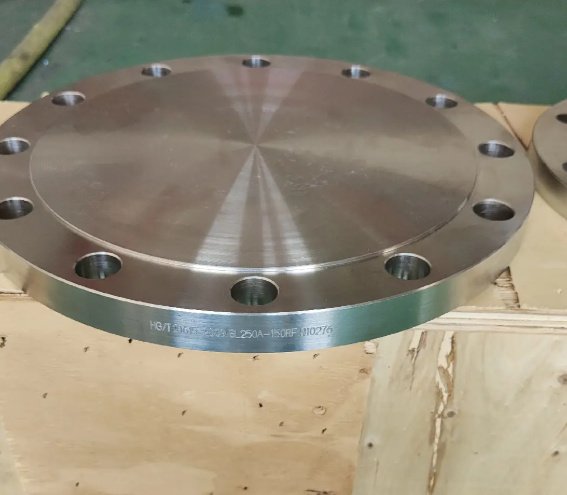
For engineers, machinists and material specifiers who are new to nickel-based superalloys, Hastelloy often feels like a mysterious, high-cost material reserved only for extreme industrial scenarios. Many beginners make costly mistakes early on, such as selecting the wrong grade for their service environment, using standard stainless steel machining parameters directly on Hastelloy, or overlooking critical post-processing steps that ruin its signature corrosion resistance. This beginner-friendly guide breaks down all the core knowledge of Hastelloy from the ground up, with real-world data, actionable tips and common pitfalls to help you build a solid foundational understanding without unnecessary technical jargon.
1. What Exactly Is Hastelloy, and When Do You Need It?
Hastelloy is a family of corrosion-resistant nickel-molybdenum-chromium superalloys, originally developed to solve material failure problems that ordinary stainless steel, carbon steel and even copper alloys cannot handle. Unlike general structural metals that prioritize mechanical strength first, Hastelloy is engineered to retain full performance in environments that combine strong corrosive chemicals, high temperatures and continuous mechanical stress.
Beginners often ask a simple question: when should I choose Hastelloy instead of cheaper 316L stainless steel? The clear answer is: whenever your process involves hot concentrated acids, chloride-rich brine over 60°C, mixed oxidizing-reducing corrosive media, or frequent unexpected downtime caused by hidden corrosion failures. A 2025 global industrial material survey shows that 68% of chemical plant engineers who switched to Hastelloy for critical piping reported a 3x+ extension of component service life, even though the initial material cost was 4-6 times higher than 316L.
3 most common entry-level Hastelloy application scenarios
- Chemical process pump casings and impellers for hydrochloric/sulfuric acid transportation
- Flue gas desulfurization spray nozzles and duct components in power plants
- Offshore oil and gas downhole tools exposed to high-temperature brine and H2S
2. How to Pick the Right Hastelloy Grade as a New User
For beginners facing dozens of Hastelloy grade variants for the first time, it is easy to get lost in complex material data sheets and pick an unnecessarily expensive grade that brings no extra practical benefit. You do not need to master every niche grade at the very start, just focus on the 3 most widely used general-purpose grades that cover over 90% of common industrial Hastelloy applications.
Hastelloy C-276 is the universal "starter grade" for almost all mixed corrosive environments, balancing good resistance to both oxidizing and reducing chemicals, and is easily available from most metal suppliers. If your service environment is dominated by strong reducing media like pure boiling hydrochloric acid, choose Hastelloy B-2 instead, which delivers far better acid resistance than C-276 at a similar cost level. For scenarios with high concentrations of oxidizing ions like nitric acid plus ferric chloride, pick Hastelloy C-22, which has higher chromium content to boost oxidization resistance.
A simple rule of thumb for beginners: never select a rare, specialized Hastelloy grade unless your material test data sheet explicitly confirms that C-276 cannot meet your minimum corrosion rate requirement.
3. Core Processing Rules Every Beginner Must Follow
Most new users’ first bad experience with Hastelloy comes from processing failures, when they apply standard stainless steel machining and welding workflows directly to this superalloy. These mistakes lead to rapid tool wear, cracked parts, or hidden corrosion defects that only show up after the component is put into field service. The good news is that you can avoid 90% of these entry-level errors by following a few basic, verified rules.
For CNC machining, remember that Hastelloy work hardens extremely quickly: never use light, shallow finishing cuts on a rough blank surface, as the tool will rub and harden the material, making subsequent cutting almost impossible. Use a large, deep first cut to fully penetrate the soft base material beneath the surface layer, and keep the cutting tool engaged continuously without pausing mid-pass. For welding, never use ordinary 308 stainless steel filler wire on Hastelloy, and always pick a filler wire that exactly matches your base material grade.
Never skip the post-weld solution annealing step for critical Hastelloy parts. Even if your weld looks perfectly smooth and defect-free, staying too long in the 600-870°C sensitization temperature range will form brittle intermetallic phases inside the material, leading to rapid unexpected intergranular corrosion after 2-3 months of service. This is the single most common costly mistake made by beginners working with Hastelloy for the first time.
4. Beginner-Friendly Troubleshooting for Common Early Problems
When you first start working with Hastelloy, you will inevitably run into small, unexpected issues that do not appear in standard material manuals. Most of these problems are not caused by defective raw material, but by tiny, easily overlooked operation details. If you find that your Hastelloy machined part develops rust spots after being stored for 2 weeks, this is almost never true Hastelloy corrosion: it is iron impurities transferred from carbon steel tools or grinding wheels embedded into the part surface. You can easily fix this by pickling the surface with 20% nitric acid solution for 30 minutes.
If your Hastelloy weld leaks during pressure testing after only 1 month of service, the root cause is almost always that you did not use enough argon back shielding during welding, leading to local oxidation and performance degradation on the weld root. If your CNC tool wears out 3 times faster than the reference data suggests, you are most likely running the cutting speed too high: reduce the speed by 30% and increase the feed rate slightly, and you will see immediate improvement.
5. Budget and Cost Tips for New Hastelloy Users
Many beginners are intimidated by Hastelloy’s high initial material price, and worry that switching to this alloy will blow up their project budget. In practice, there are many practical ways to control costs while still getting all of Hastelloy’s performance benefits. First, you do not need to make the entire component out of solid Hastelloy: for many pressure vessel applications, using Hastelloy as a 2-3mm corrosion-resistant cladding layer on a carbon steel base can cut total material cost by 70%, while retaining full corrosion protection.
Second, always buy standard, commonly stocked grades like C-276 from regular suppliers, instead of ordering custom smelted small batches of niche grades. Standard stocked Hastelloy plates, pipes and bars usually have 20-30% lower unit cost, and have much shorter delivery lead times. Third, calculate the total lifecycle cost instead of only looking at the initial purchase price: a Hastelloy component that lasts 10 years will always cost far less in the long run than 5 replacement stainless steel parts that fail every 2 years, when you add in downtime and maintenance labor costs.
Final Quick Start Checklist for Beginners
Before you start your first Hastelloy project, run through this simple checklist to avoid most entry-level mistakes: confirm that your selected grade matches your main corrosive media, prepare dedicated Hastelloy cutting tools separate from your carbon steel tooling, arrange solution annealing equipment for post-weld treatment, and calculate the total 5-year lifecycle cost instead of only comparing initial material prices. With these foundational steps, you can confidently start using Hastelloy to solve the most challenging industrial corrosion problems.