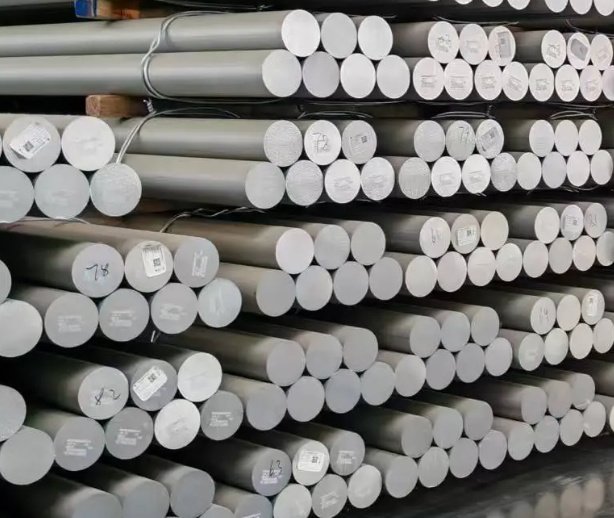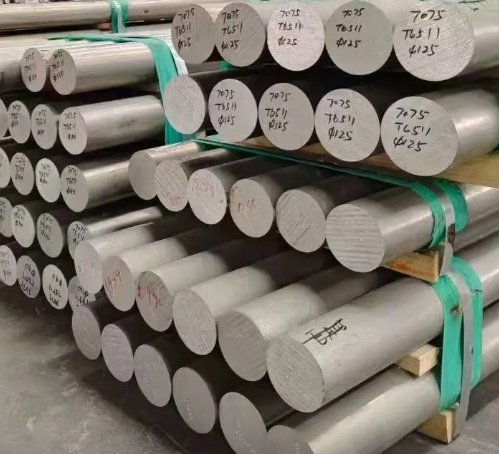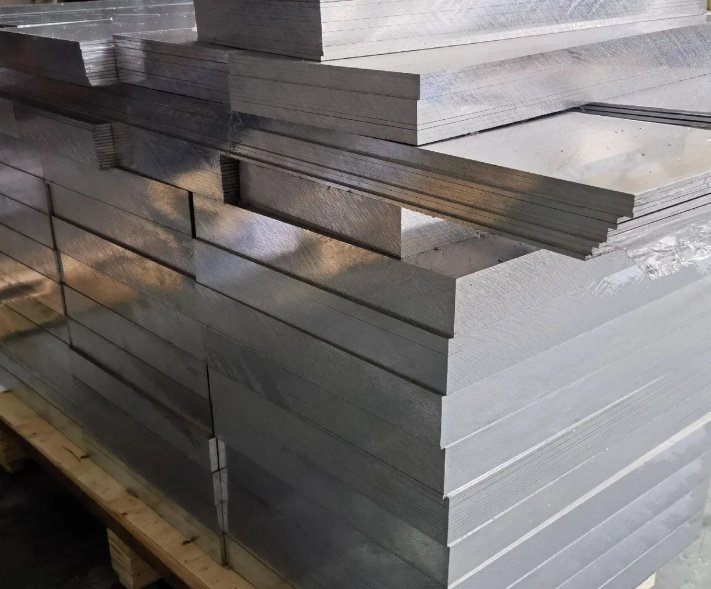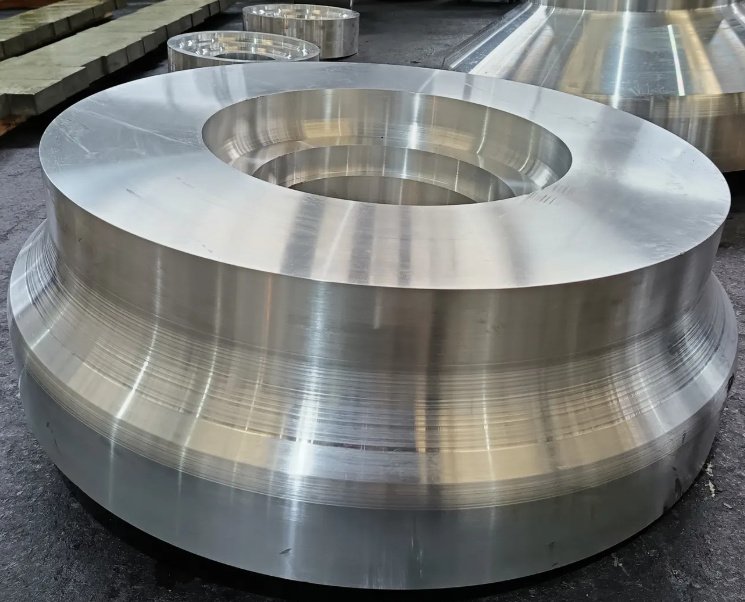
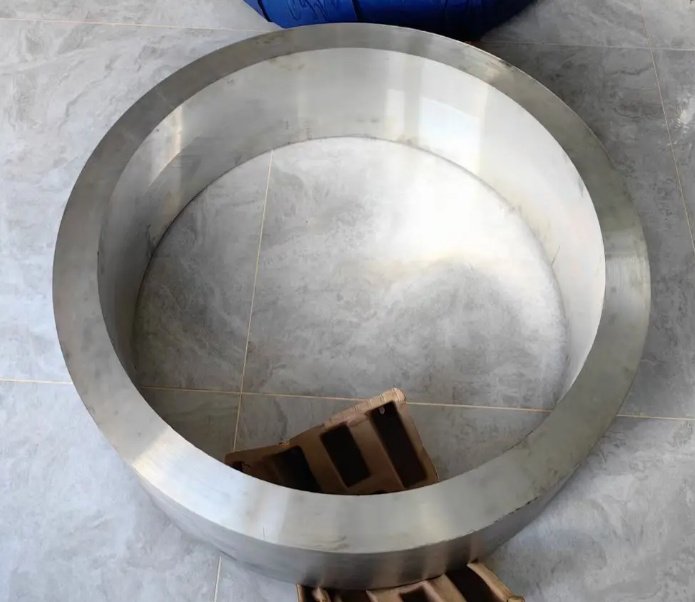
2014 Aluminum is a high-strength, heat-treatable aluminum-copper alloy used where structural strength, fatigue resistance and good machinability are more important than corrosion resistance or weldability. Known as Al 2014, al alloy 2014, EN AW-2014 and UNS A92014, it is commonly specified for aerospace fittings, truck frame components, aircraft structures, high-load forgings, precision-machined parts and defense hardware.
The search intent behind Aluminum 2014 is usually practical: engineers want reliable mechanical data, buyers want equivalent specifications and machinists want to know whether the alloy cuts cleanly, distorts during machining or requires stress relief. This page addresses those needs with property ranges, alloy comparisons, manufacturing notes and procurement considerations.
What Is 2014 Aluminum?
2014 Aluminum is part of the 2xxx aluminum series, where copper is the principal alloying element. Copper increases strength after solution heat treatment and aging, but it also reduces natural corrosion resistance compared with 5xxx and 6xxx alloys. In engineering terms, choose 2014 when strength and machinability matter more than weldability.
Al 2014 is often supplied as plate, sheet, bar, rod, extruded profile and forged product. The alloy is frequently used in T6, T651, T6511 and T652 tempers, depending on product form and stress-relief requirements. For critical parts, final properties should be verified against the applicable material standard and mill test certificate.
- Alloy family: 2xxx aluminum-copper alloy
- Common designation: Aluminum 2014, Al 2014, AA2014, EN AW-2014, UNS A92014
- Main strengthening mechanism: solution heat treatment and precipitation aging
- Typical applications: aerospace structures, forged fittings, high-strength machined components, military vehicles, heavy-duty transport parts
- Key limitation: lower corrosion resistance than 6061, 6082 or 5083 unless protected
Al 2014 Chemical Composition
The exact chemical limits depend on the governing specification, but the following ranges are commonly associated with 2014 Aluminum. Copper, silicon and magnesium contribute to the alloy’s strength response, while manganese helps control grain structure.
| Element | Typical Range by Weight | Engineering Role |
|---|---|---|
| Aluminum | Balance | Base metal providing low density and formability |
| Copper | 3.9% - 5.0% | Primary strengthening element after heat treatment |
| Silicon | 0.50% - 1.2% | Improves strength and heat-treatment response |
| Magnesium | 0.20% - 0.80% | Supports precipitation hardening |
| Manganese | 0.40% - 1.2% | Improves grain control and mechanical stability |
| Iron | Up to about 0.70% | Impurity element controlled for toughness and consistency |
| Zinc | Up to about 0.25% | Residual element, normally limited |
| Titanium and others | Limited additions | Grain refinement and impurity control |
Composition alone does not define performance. Product thickness, quench rate, heat treatment, residual stress and grain direction can significantly change tensile strength, yield strength, elongation and dimensional stability.
Mechanical Properties of Aluminum 2014
The table below provides representative mechanical properties for common 2014 Aluminum tempers. These values are useful for preliminary material selection, but design allowables should come from the controlling specification, product form and certified test data.
| Temper | Typical Tensile Strength | Typical Yield Strength | Typical Elongation | Best Use Case |
|---|---|---|---|---|
| 2014-O | About 185 MPa | About 95 MPa | 12% - 18% | Forming before heat treatment |
| 2014-T4 | About 380 - 430 MPa | About 240 - 290 MPa | 10% - 15% | Moderate strength with better ductility |
| 2014-T6 | About 455 - 485 MPa | About 395 - 415 MPa | 6% - 10% | High-strength machined or forged parts |
| 2014-T651 | About 455 - 485 MPa | About 395 - 415 MPa | 6% - 10% | Stress-relieved plate for machining |
| 2014-T6511 | Similar to T6/T651 | Similar to T6/T651 | Varies by extrusion | Stress-relieved extruded bar and profile |
In high-load structural applications, 2014-T6 and T651/T6511 are popular because they offer a favorable balance of strength, machinability and dimensional control. However, the same strength that makes Al 2014 attractive can also make it less forgiving during forming and welding.
2014 Aluminum vs 2024, 6061 and 7075
Many buyers compare al alloy 2014 with 2024, 6061 and 7075 because these materials are common in aerospace, transportation and precision machining. The right choice depends on strength, corrosion exposure, fabrication route, availability and cost.
| Alloy | Strength Level | Machinability | Corrosion Resistance | Weldability | Typical Reason to Select |
|---|---|---|---|---|---|
| 2014 Aluminum | High | Good to very good | Fair to poor without protection | Poor by fusion welding | High-strength machined parts, forgings and structural components |
| 2024 Aluminum | High | Good | Fair to poor without cladding or coating | Poor | Aircraft skins, fatigue-critical structures and aerospace sheet |
| 6061 Aluminum | Medium | Good | Good | Good | General structural fabrication, frames, fixtures and welded assemblies |
| 7075 Aluminum | Very high | Good | Moderate, better with appropriate temper/coating | Poor | Aerospace and defense parts requiring maximum strength-to-weight ratio |
Compared with 6061-T6, 2014-T6 usually provides significantly higher yield strength, but it sacrifices corrosion resistance and weldability. Compared with 7075-T6, 2014-T6 is generally lower in maximum strength but may be easier to forge and machine in certain product forms. Compared with 2024, Al 2014 is often associated with forgings, extrusions and machined components rather than aircraft skin applications.
Engineering selection note: when 2014 is better than 6061
If a bracket made from 6061-T6 approaches its allowable stress limit, switching to 2014-T6 or 2014-T651 may reduce section thickness or improve safety margin without changing the basic aluminum manufacturing route. The trade-off is that the part normally needs anodizing, painting, conversion coating or another corrosion-control method if it operates outdoors or in a humid environment.
Machining, Drilling and CNC Performance
Aluminum 2014 is widely used for CNC-machined components because it forms manageable chips, supports good surface finish and offers stable mechanical performance in high-strength tempers. For production machining, use carbide tooling, rigid workholding, and controlled chip evacuation to reduce chatter, built-up edge and dimensional drift.
- Machinability: generally good, especially in T6 and T651 tempers
- Chip behavior: short to moderately curled chips are common with the right tool geometry
- Tooling: polished carbide end mills and drills are preferred for high-speed CNC production
- Coolant: flood coolant or mist lubrication helps control temperature and surface finish
- Dimensional stability: stress-relieved tempers are preferred for thin-wall or tight-tolerance parts
For complex pockets, asymmetric material removal or thin ribs, T651 plate or T6511 extruded bar is usually preferred over non-stress-relieved stock. Stress-relieved material reduces the risk of bowing, twisting or clamp-release movement after roughing.
| Machining Issue | Likely Cause | Practical Countermeasure |
|---|---|---|
| Part moves after unclamping | Residual stress and uneven stock removal | Use T651/T6511 stock, rough both sides, allow stress relaxation before finishing |
| Poor surface finish | Built-up edge, dull tool or inadequate coolant | Use sharp polished carbide, increase lubrication and optimize chip load |
| Hole size variation | Heat, drill wander or chip packing | Use peck drilling, through-coolant tools or reaming after drilling |
| Thread galling | Aluminum adhesion under load | Use suitable lubricant, thread forming controls or inserts for repeated assembly |
Real machining example for buyer and process planning
A CNC shop producing a 2014-T651 aluminum actuator housing with 70% material removal may plan a two-stage process: rough machining to leave 1.0 - 1.5 mm stock, a stress-relief pause or thermal stabilization step, then finish machining. In practice, this can reduce post-machining flatness correction and lower scrap risk for thin-wall aerospace-style parts.
Heat Treatment, Welding and Corrosion Behavior
The performance of Al 2014 depends strongly on heat treatment. Solution heat treatment dissolves strengthening phases, quenching retains a supersaturated structure, and artificial aging develops precipitation hardening. Improper quenching or aging can reduce strength and increase variability from lot to lot.
- Solution heat treatment: brings alloying elements into solid solution at elevated temperature.
- Quenching: rapidly cools the part to retain the solutionized structure.
- Aging: develops strength through controlled precipitation.
- Stress relief: stretching or compression reduces residual stress in plate, extrusions or forgings.
Fusion welding of 2014 Aluminum is not recommended without qualification because the alloy is prone to hot cracking and loss of heat-treated strength in the heat-affected zone. Mechanical fastening, riveting, bolting or redesigning with a more weldable alloy such as 6061 or 6082 may be better for welded structures.
Corrosion resistance is lower than that of 5xxx and 6xxx aluminum alloys. In marine, salt-spray, outdoor or chemical environments, 2014 components commonly require anodizing, chromate conversion coating, primer, paint, sealant or isolation from dissimilar metals. Designers should pay special attention to galvanic corrosion when Al 2014 contacts stainless steel, carbon steel, copper alloys or carbon fiber composites.
Typical Applications of Al Alloy 2014
Al alloy 2014 is selected where the part must carry high loads while remaining lighter than steel. Its strong response to heat treatment and good machinability make it suitable for aerospace and industrial components that require accurate features, threads, bores and mating surfaces.
- Aircraft fittings, brackets, ribs and structural connectors
- Forged aerospace and defense components
- Truck frame parts, suspension components and heavy-duty transport hardware
- Precision CNC-machined housings, arms, levers and actuator components
- High-strength bolts, fasteners and threaded parts where specified
- Hydraulic and pneumatic components requiring strength and dimensional stability
- Military vehicle parts and high-load mechanical assemblies
For safety-critical applications, engineers should evaluate fracture toughness, fatigue performance, grain direction, surface treatment and inspection requirements, not just static tensile strength.
Specifications, Forms and Procurement Considerations
Aluminum 2014 may be purchased under different national or industry specifications depending on region, product form and end use. Common references include Aluminum Association designations, EN material numbers, ASTM standards and aerospace material specifications. The exact standard should be confirmed during sourcing.
| Procurement Item | Why It Matters | What to Confirm |
|---|---|---|
| Temper | Controls strength, ductility and residual stress | T6, T651, T6511, T652 or project-specific temper |
| Product form | Properties vary between plate, bar, extrusion and forging | Thickness, diameter, profile, forging geometry and grain direction |
| Certification | Required for traceability and quality control | Mill test report, heat number, chemical analysis and mechanical test data |
| Dimensional tolerance | Affects machining allowance and yield | Standard tolerance or precision-sawn/machined stock |
| Surface condition | Impacts finishing, corrosion control and inspection | Bare, anodized, conversion coated, peeled, ground or machined finish |
Buyer checklist for 2014 Aluminum plate, bar or forging
Before placing an order, request the controlling specification and actual mill test report. Confirm alloy designation, temper, product form, dimensions, tolerance, ultrasonic inspection if required, country of origin, heat number and whether the material is suitable for aerospace, defense or pressure-related documentation needs.
Advantages and Limitations of Aluminum 2014
The main advantage of 2014 Aluminum is its ability to deliver high strength in a lightweight material that machines well. The main limitation is that it is not a universal fabrication alloy; corrosion protection and welding restrictions must be considered early in design.
| Advantages | Limitations |
|---|---|
| High strength-to-weight ratio compared with many general-purpose aluminum alloys | Lower corrosion resistance than 6061, 6082, 5052 or 5083 |
| Good machinability for CNC milling, turning, drilling and threading | Poor fusion weldability and potential heat-affected-zone strength loss |
| Available in stress-relieved tempers for improved dimensional stability | May require coating, anodizing or sealing in aggressive environments |
| Suitable for forgings, extrusions and high-load structural components | Less formable in high-strength tempers than annealed or 5xxx-series aluminum |
Engineering risk note for outdoor or marine use
If an Aluminum 2014 part is used outdoors, near salt spray or in contact with dissimilar metals, the design should include corrosion protection from the beginning. A common failure mode is not immediate overload but progressive pitting, galvanic attack or fastener-interface corrosion that reduces long-term reliability.
Summary: When to Specify 2014 Aluminum
Specify 2014 Aluminum when the application needs high static strength, good machinability and a proven aluminum-copper alloy for forged, extruded or machined components. It is especially suitable for aerospace-style brackets, fittings, high-load housings and precision structural parts where stress-relieved tempers can improve dimensional control.
Do not select Al 2014 solely because it is strong. If the assembly must be welded, exposed to severe corrosion or formed after heat treatment, alternatives such as 6061, 6082, 5083, 2024 or 7075 may be more appropriate depending on the design priority. For best results, match al alloy 2014 temper, product form and certification level to the engineering requirement before procurement and machining begin.