
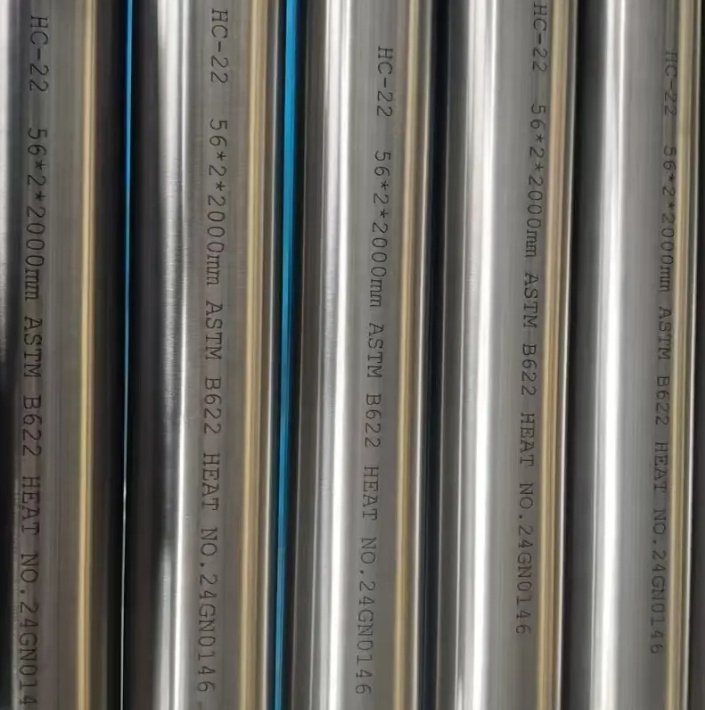
Hastelloy alloys are high-performance nickel-based corrosion-resistant alloys used where stainless steels, duplex stainless steels, and many super austenitic grades reach their limits. Among the most specified grades, Hastelloy C-276, Hastelloy C-22, and Hastelloy B-2 are often compared because all three serve aggressive chemical-processing environments, yet they are not interchangeable.
The short answer: C-276 is the broad-spectrum workhorse, C-22 is typically preferred for oxidizing chloride environments and severe localized corrosion risk, while B-2 is a specialist alloy for strongly reducing acids such as hydrochloric acid. Choosing the wrong grade can lead to pitting, crevice corrosion, stress corrosion cracking, premature equipment failure, or excessive material cost.
What Is Hastelloy?
Hastelloy is a registered trademark of Haynes International for a family of nickel-based alloys designed for corrosion resistance, high-temperature strength, or both. In industrial purchasing, the term is often used broadly to refer to nickel-molybdenum, nickel-chromium-molybdenum, and nickel-chromium-molybdenum-tungsten alloys used in chemical processing, pollution control, oil and gas, pharmaceuticals, and marine-adjacent service.
The three grades compared here belong to two different corrosion-resistance families:
- C-family alloys: Hastelloy C-276 and C-22 are nickel-chromium-molybdenum alloys. Chromium improves resistance to oxidizing media, while molybdenum and tungsten improve resistance to reducing acids and localized corrosion.
- B-family alloys: Hastelloy B-2 is a nickel-molybdenum alloy with very low chromium. It performs exceptionally well in many reducing environments but is vulnerable in oxidizing conditions.
Quick Comparison: C-276 vs C-22 vs B-2
| Grade | UNS Number | Alloy Type | Best Fit | Main Limitation |
|---|---|---|---|---|
| Hastelloy C-276 | N10276 | Nickel-chromium-molybdenum-tungsten | Mixed acids, chlorides, wet chlorine, flue gas desulfurization, chemical process equipment | Not always the best choice for highly oxidizing chloride media compared with C-22 |
| Hastelloy C-22 | N06022 | Nickel-chromium-molybdenum-tungsten | Oxidizing chlorides, ferric and cupric chlorides, chlorine dioxide, seawater crevice conditions, pharmaceutical processing | Often higher cost and not necessarily superior in every reducing-acid service |
| Hastelloy B-2 | N10665 | Nickel-molybdenum | Hydrochloric acid and other strongly reducing acids where oxidizers are absent | Poor resistance to oxidizing salts, oxidizing acids, ferric ions, cupric ions, and dissolved oxygen contamination |
For many users, the decision starts with the corrosion mechanism. If the service contains oxidizing chlorides or a high risk of pitting and crevice corrosion, C-22 often moves to the top of the list. If the environment is mixed, variable, or not fully characterized, C-276 is commonly considered first. If the service is clean, strongly reducing hydrochloric acid, B-2 may outperform both C-family alloys economically and technically.
Chemical Composition and Why It Matters
The performance difference between these alloys is driven mainly by chromium, molybdenum, tungsten, and iron content. Published composition ranges vary by product form and standard, but the following general relationships are useful for engineering comparison.
Hastelloy C-276 Composition Profile
Hastelloy C-276 generally contains nickel as the balance, approximately 15–17% molybdenum, 14.5–16.5% chromium, 3–4.5% tungsten, and controlled low carbon. This combination gives it strong resistance to reducing acids, oxidizing salts, chlorides, and many mixed chemical streams.
Hastelloy C-22 Composition Profile
Hastelloy C-22 contains higher chromium than C-276, usually around 20–22.5%, with approximately 12.5–14.5% molybdenum and 2.5–3.5% tungsten. Its higher chromium level is a major reason for its enhanced resistance in oxidizing environments and chloride-driven localized corrosion.
Hastelloy B-2 Composition Profile
Hastelloy B-2 contains nickel as the balance and a high molybdenum content, typically about 26–30%, with very low chromium. The high molybdenum content explains its excellent resistance to hydrochloric acid and other reducing media, while the low chromium content explains why it should not be used where oxidizing species are present.
Common product standards referenced for these alloys
Depending on product form and jurisdiction, buyers often reference ASTM and ASME specifications such as ASTM B574 for nickel alloy rod and bar, ASTM B575 for plate, sheet, and strip, ASTM B622 for seamless pipe and tube, ASTM B619 for welded pipe, and ASTM B626 for welded tube. Always confirm the latest standard, UNS number, heat treatment condition, dimensions, and supplementary requirements before procurement.
Corrosion Resistance: Where Each Grade Performs Best
Corrosion resistance should never be selected from alloy name alone. Temperature, concentration, aeration, contamination, velocity, deposits, crevice geometry, pH, and redox potential can completely change alloy performance. Still, the following patterns are widely used in preliminary material selection.
Hastelloy C-276: Broad Resistance in Mixed Chemical Service
Hastelloy C-276 is one of the most versatile corrosion-resistant nickel alloys. It resists many reducing and oxidizing chemicals, including sulfuric acid, hydrochloric acid at certain conditions, phosphoric acid, acetic acid, formic acid, wet chlorine, chlorine dioxide, hypochlorites, and chloride-containing process streams.
Its strong resistance to pitting, crevice corrosion, and chloride-induced stress corrosion cracking makes it suitable for harsh environments where 316L stainless steel, 904L, alloy 20, or duplex stainless steels may fail. It is also valued where process chemistry changes over time because it offers a wide safety margin across many media.
Hastelloy C-22: Superior Resistance to Oxidizing Chlorides
Hastelloy C-22 is often selected when the service contains oxidizing chlorides, ferric chloride, cupric chloride, chlorine dioxide, nitric-acid-bearing chlorides, or other conditions that increase the risk of localized corrosion. Compared with C-276, its higher chromium content can provide better protection in oxidizing environments.
This makes C-22 common in pharmaceutical reactors, biotech equipment, high-purity chemical systems, scrubbers, pickling systems, seawater-exposed crevice zones, and waste treatment equipment. It is especially attractive where surface cleanliness, resistance to attack at welds, and long service life justify the premium material cost.
Hastelloy B-2: Specialist for Strongly Reducing Acids
Hastelloy B-2 is engineered for strongly reducing environments, especially hydrochloric acid over a wide range of concentrations and temperatures when oxidizing impurities are absent. It is also used in certain sulfuric, phosphoric, and acetic acid services, depending on concentration and temperature.
The key caution is that B-2 is not a general-purpose corrosion alloy. B-2 should be avoided in oxidizing conditions such as nitric acid, oxidizing salts, ferric ions, cupric ions, dissolved oxygen contamination, and media where process upsets can introduce oxidizers. Even small amounts of oxidizing contaminants can sharply increase corrosion rates.
Applications by Industry
Hastelloy C-276, C-22, and B-2 are used in many of the same industries, but they solve different corrosion problems. The application examples below are typical, not automatic approvals for every condition.
Chemical Processing
- C-276: reactors, heat exchangers, transfer piping, evaporators, distillation equipment, acid production, and multipurpose chemical plants.
- C-22: reactors and piping exposed to oxidizing chlorides, chlorine dioxide, ferric chloride, and process streams requiring high localized corrosion resistance.
- B-2: hydrochloric acid handling, acid concentration systems, and reducing-acid equipment where oxidizers are tightly controlled.
Pollution Control and Waste Treatment
C-276 is widely associated with flue gas desulfurization systems, scrubbers, ducts, dampers, and wet gas environments containing chlorides and acidic condensates. C-22 may be preferred for more oxidizing chloride conditions or where crevice corrosion risk is more severe. B-2 is less common in these services because oxygen and oxidizing contaminants are difficult to exclude.
Pharmaceuticals and High-Purity Processing
C-22 is frequently specified in pharmaceutical and fine chemical equipment because it offers excellent resistance to chloride-bearing cleaning agents, oxidizing sanitizers, and localized corrosion at welds. C-276 is also used where broad chemical compatibility is needed. Surface finish, electropolishing, weld quality, and cleanability are often as important as base alloy selection.
Oil, Gas, and Energy
C-276 may be used for sour gas components, geothermal brines, heat exchanger parts, and severe chloride environments, depending on pressure, temperature, hydrogen sulfide, carbon dioxide, elemental sulfur, and brine chemistry. C-22 can be considered where oxidizing chlorides or crevice conditions dominate. B-2 is rarely the first choice unless the environment is clearly reducing and compatible.
Fabrication, Welding, and Heat Treatment
All three alloys are fabricable, but they require nickel-alloy procedures, qualified welding practices, and careful control of contamination. Carbon steel tools, grinding debris, sulfur-bearing lubricants, and improper heat input can reduce corrosion performance.
Hastelloy C-276 and C-22 are generally considered weldable by common processes such as GTAW, GMAW, SMAW, and PAW when qualified filler metals and procedures are used. They are commonly supplied in the solution-annealed condition. Post-weld heat treatment is often not required for many applications, but project specifications and corrosion-service requirements should govern.
Hastelloy B-2 can be welded, but it requires more caution. It may be susceptible to embrittlement or reduced corrosion resistance if exposed to unfavorable thermal cycles. Fabrication procedures should minimize time in sensitizing temperature ranges and follow alloy-specific recommendations from material producers and welding consumable manufacturers.
Practical fabrication checks before ordering
- Confirm the exact UNS number, not just the trade name.
- Specify plate, sheet, bar, pipe, tube, fitting, flange, or welding consumable standard.
- Request mill test certificates with chemistry, mechanical properties, heat number, and heat treatment condition.
- Confirm whether NACE, ASME, PED, EN, ASTM, or customer-specific requirements apply.
- Match welding filler metal and corrosion allowance to the actual service environment.
Cost and Availability Considerations
Nickel alloy pricing depends on nickel, molybdenum, chromium, tungsten, product form, thickness, size, quantity, origin, certification level, and market conditions. In general, all three grades cost significantly more than common stainless steels, but they are often economical when they prevent downtime, leakage, contamination, or frequent replacement.
C-276 is often more widely stocked than C-22 and B-2 in many product forms, which can shorten lead times. C-22 may carry a premium because of its performance in severe oxidizing chloride environments. B-2 can be cost-effective in the right reducing-acid service but risky if the process chemistry is not tightly controlled.
When total cost of ownership is considered, the cheapest alloy per kilogram is not always the lowest-cost solution. Fabrication complexity, inspection requirements, corrosion allowance, expected service life, shutdown cost, and failure consequences should be included in the selection process.
How to Choose the Right Hastelloy Grade
The best grade depends on the actual corrosion environment, not a simple ranking. Use the following decision logic for early-stage selection, then validate with corrosion data, laboratory testing, field history, or a materials engineer.
- Choose Hastelloy C-276 when the process contains mixed acids, chlorides, wet chlorine compounds, variable chemistry, or a broad range of corrosive media.
- Choose Hastelloy C-22 when oxidizing chlorides, ferric or cupric chlorides, chlorine dioxide, severe pitting risk, or crevice corrosion resistance are the main concerns.
- Choose Hastelloy B-2 when the environment is strongly reducing, especially hydrochloric acid, and oxidizing contaminants can be reliably excluded.
If both reducing and oxidizing conditions are present, C-family alloys are usually safer candidates than B-2. If the system alternates between reducing acid service and oxidizing cleaning cycles, C-22 or C-276 may be more suitable than B-2, depending on chemical concentration and temperature.
Key process data needed for reliable alloy selection
Before finalizing a material, document chemical composition, concentration range, operating temperature, maximum upset temperature, pressure, pH, chloride level, oxidizing species, dissolved oxygen, flow velocity, solids, deposits, crevice geometry, cleaning chemicals, sterilization cycles, welding requirements, and expected equipment life. For critical equipment, corrosion coupon testing or immersion testing under realistic conditions is strongly recommended.
Bottom Line: C-276 vs C-22 vs B-2
Hastelloy C-276, C-22, and B-2 are all premium nickel alloys, but each has a distinct purpose. C-276 is the versatile, broad-application alloy for aggressive mixed chemical environments. C-22 provides enhanced protection in oxidizing chloride service and severe localized corrosion conditions. B-2 is a reducing-acid specialist, particularly for hydrochloric acid, but it can fail rapidly if oxidizing contaminants are present.
For specification work, use the UNS number, applicable ASTM or ASME standard, product form, heat treatment condition, and verified corrosion data. For demanding chemical service, final material selection should be based on actual operating chemistry, not only on generic alloy comparisons.