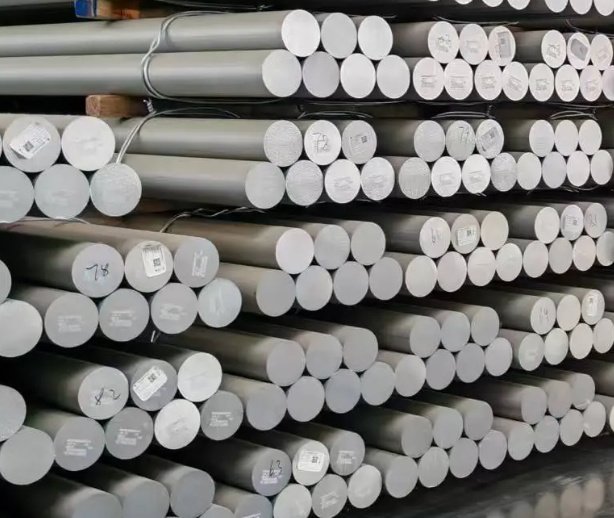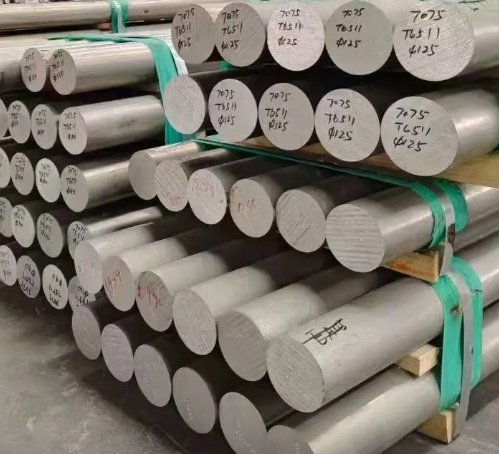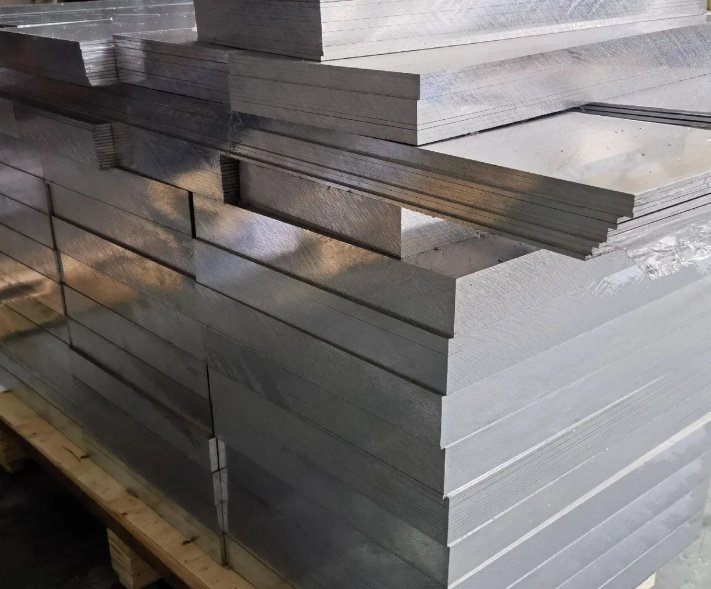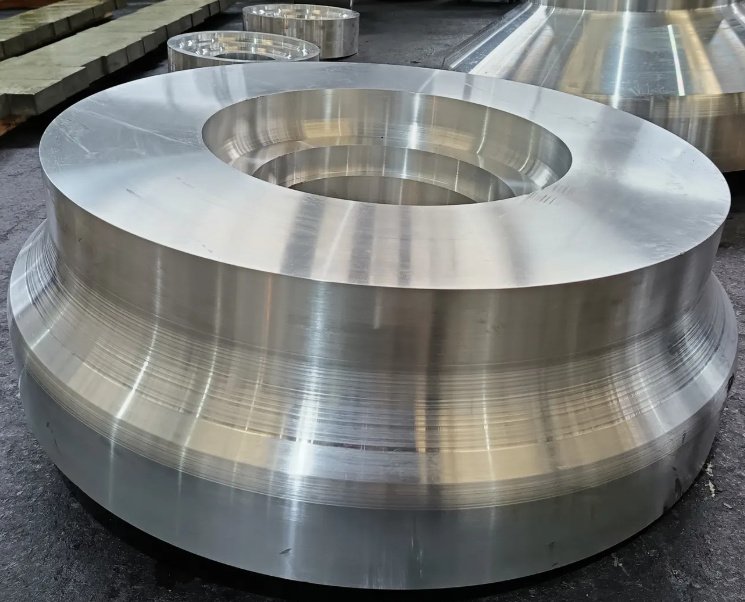
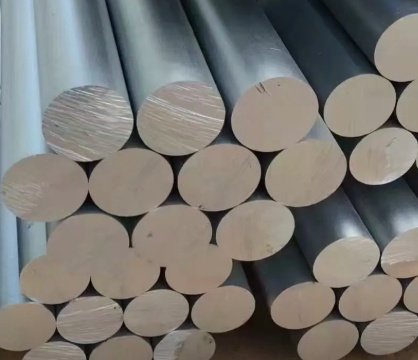
Aluminum 7178 is a high-strength 7xxx-series aluminum alloy developed for demanding aerospace and structural applications where tensile strength and fatigue performance are critical. Also written as al alloy 7178 or Al 7178, it belongs to the aluminum-zinc-magnesium-copper alloy family and is commonly compared with 7075, 7050 and 2024 aluminum.
Although 7178 aluminum is less commonly specified today than 7075 or 7050, it remains relevant for legacy aircraft parts, high-load fittings, precision machined components and replacement programs where original material specifications must be maintained. For procurement teams, the key question is usually not only “Is Aluminum 7178 strong enough?” but also “Is it available, certifiable, machinable and suitable for the corrosion environment?”
What Is Aluminum 7178?
Aluminum 7178 is a heat-treatable wrought aluminum alloy in the 7xxx series. Its main strengthening elements are zinc, magnesium and copper. Compared with many general-purpose aluminum grades, Al 7178 offers very high strength-to-weight performance, making it suitable for parts exposed to high static loads.
In practical engineering use, 7178 is often supplied in tempers such as T6, T651 or related precipitation-hardened conditions, depending on product form and specification. The T6 condition provides high strength, while stress-relieved tempers such as T651 may improve dimensional stability after machining.
| Attribute | Typical Description |
|---|---|
| Alloy family | 7xxx aluminum-zinc-magnesium-copper alloy |
| Primary advantage | Very high tensile and yield strength |
| Typical applications | Aerospace fittings, structural members, machined components, high-load assemblies |
| Heat treatability | Heat treatable; commonly used in precipitation-hardened tempers |
| Weldability | Poor by fusion welding; mechanical fastening is usually preferred |
| Corrosion behavior | Moderate; protective finishing is recommended in aggressive environments |
Chemical Composition of Al 7178
The composition of al alloy 7178 is designed to maximize strength through age hardening. Zinc and magnesium form strengthening precipitates, while copper contributes to strength but can reduce corrosion resistance compared with some lower-copper aerospace alloys.
| Element | Typical Range, wt.% | Engineering Role |
|---|---|---|
| Aluminum | Balance | Base metal, low density and formability |
| Zinc | 6.3–7.3 | Primary strengthening element |
| Magnesium | 2.4–3.1 | Combines with zinc for precipitation hardening |
| Copper | 1.6–2.4 | Improves strength and hardenability |
| Chromium | 0.18–0.35 | Grain structure control and toughness support |
| Iron | Up to 0.50 | Controlled impurity |
| Silicon | Up to 0.40 | Controlled impurity |
| Manganese | Up to 0.30 | Minor addition, controlled by specification |
| Titanium | Up to 0.20 | Grain refinement support |
Actual composition limits must be verified against the governing standard, mill certificate or customer specification. For aerospace work, material traceability and conformity documentation are as important as nominal chemistry.
Mechanical Properties and Performance Data
The main reason engineers specify Aluminum 7178 is its high strength. Depending on product form, thickness, test direction and temper, 7178-T6 can reach tensile strength levels that are competitive with or higher than many conventional high-strength aluminum alloys.
| Property | Typical Value | Notes |
|---|---|---|
| Density | About 2.83 g/cm³ | Similar to other 7xxx alloys |
| Ultimate tensile strength | Approximately 590–620 MPa | Varies by form and thickness |
| Yield strength | Approximately 510–550 MPa | High static load capability |
| Elongation | About 6–10% | Lower ductility than many 2xxx and 6xxx alloys |
| Brinell hardness | About 145–160 HB | Useful for estimating machinability and wear response |
| Elastic modulus | About 71–72 GPa | Comparable to most aluminum alloys |
A useful design point is that 7178 can deliver steel-like strength levels at roughly one-third the density of steel. However, its elastic modulus remains that of aluminum, so deflection control may still require larger cross sections than steel parts.
Aluminum 7178 vs 7075, 7050, 2024 and 6061
Material selection rarely depends on strength alone. Engineers usually compare 7178 aluminum with 7075 for strength, 7050 for stress corrosion resistance, 2024 for fatigue and fracture behavior, and 6061 for cost and availability.
| Alloy | Relative Strength | Corrosion Resistance | Machinability | Availability | Best-Fit Use Case |
|---|---|---|---|---|---|
| 7178 | Very high | Moderate | Good | Limited compared with 7075 | Legacy aerospace and high-load machined parts |
| 7075 | Very high | Moderate | Good | Excellent | Aircraft structures, tooling, high-strength components |
| 7050 | High to very high | Better than many 7xxx-T6 alloys | Good | Good in aerospace plate | Thick aerospace plate and stress-corrosion-sensitive parts |
| 2024 | High | Fair to moderate | Good | Good | Aircraft skins, fatigue-critical structures |
| 6061 | Medium | Good | Good | Excellent | General structural, frames, fixtures and welded assemblies |
Compared with 7075, Aluminum 7178 can offer extremely high strength, but 7075 is usually easier to source and has broader modern specification coverage. Compared with 7050, 7178 may be selected for legacy strength requirements, while 7050 is often preferred where thick-section toughness and stress corrosion resistance are more important. Compared with 6061, Al 7178 is much stronger but less weldable, less corrosion resistant and generally more expensive.
Engineering selection note
If the design is a new aerospace or high-reliability part, do not substitute 7178 for 7075, 7050 or 2024 only on the basis of tensile strength. Review fracture toughness, fatigue data, stress corrosion cracking behavior, temper, inspection requirements and the original design allowables before changing material.
Common Applications of al alloy 7178
Al alloy 7178 is most suitable where high static strength, low weight and precision machining are required. It is not usually the first choice for welded frames, marine hardware or parts exposed to severe corrosion without surface protection.
- Aerospace structural fittings and brackets
- High-load aircraft components in legacy programs
- Precision CNC-machined structural parts
- Load-bearing plates, blocks and forged shapes
- Defense, transport and high-performance mechanical assemblies
- Replacement parts requiring original alloy traceability
In a weight-sensitive bracket, replacing a medium-strength alloy with Aluminum 7178 may allow a smaller section size while maintaining yield strength. In practice, however, the final design must account for fastener bearing, notch sensitivity, fatigue spectrum, surface finish and corrosion protection.
Machining, Forming, Welding and Heat Treatment
Machining performance of 7178 aluminum is generally good, especially in hardened tempers. The alloy can produce stable chips and accurate dimensions when sharp carbide tools, proper coolant and rigid workholding are used. Stress-relieved material is preferred for parts with tight flatness or parallelism requirements.
| Process | Suitability | Practical Guidance |
|---|---|---|
| CNC milling | Good | Use sharp carbide tools, high chip evacuation and balanced stock removal |
| Turning | Good | Control built-up edge with suitable cutting speed and coolant |
| Drilling | Good | Use peck cycles for deep holes and avoid burrs at exits |
| Forming | Limited in high-strength tempers | Forming is easier before final heat treatment where allowed |
| Fusion welding | Poor | Risk of cracking and strength loss; mechanical fastening is preferred |
| Anodizing | Possible | Appearance may be less uniform than 6xxx alloys due to alloying content |
For a machined aerospace block, a common engineering problem is distortion after roughing. A practical approach is to specify stress-relieved plate, rough machine both sides symmetrically, leave stock for stabilization, then finish machine after an intermediate rest period or thermal stabilization step if permitted by the specification. This can reduce scrap risk on thin-wall or pocketed parts.
Machining checklist for tight-tolerance parts
- Confirm temper, stress-relief condition and grain direction before programming.
- Use symmetrical roughing to reduce residual-stress movement.
- Avoid excessive clamping force on thin sections.
- Deburr carefully because sharp notches reduce fatigue performance.
- Specify final inspection after surface treatment if coating thickness affects tolerance.
Corrosion Resistance, Surface Protection and Durability
Like many high-copper 7xxx aluminum alloys, 7178 provides high strength at the expense of corrosion resistance. It can be vulnerable to localized corrosion and stress corrosion cracking in unfavorable environments, especially when high tensile stresses, moisture, salts and poor surface protection are combined.
Protective finishing is strongly recommended for exposed service. Typical options include anodizing, chemical conversion coating, primer and paint systems, sealants, corrosion-inhibiting compounds and controlled fastener isolation to reduce galvanic corrosion.
For assemblies using stainless steel fasteners or carbon fiber composite interfaces, galvanic compatibility should be reviewed. Isolation washers, sealants or coating systems may be required to prevent accelerated attack on the aluminum component.
Procurement Guidance for Buyers and Engineers
Buying Aluminum 7178 is different from buying commodity 6061 or even standard 7075. Availability can be limited, minimum order quantities may be higher, and lead times can depend on product form, temper, mill origin and certification requirements.
| Item to Confirm | Why It Matters |
|---|---|
| Exact alloy and temper | 7178-T6, T651 or other tempers have different mechanical and stability characteristics |
| Product form | Plate, bar, extrusion or forging availability affects cost and lead time |
| Applicable standard | Aerospace and defense projects often require strict specification compliance |
| Mill test certificate | Confirms chemistry, mechanical properties, heat lot and traceability |
| Ultrasonic inspection | May be required for critical thick sections |
| Grain direction | Important for fatigue, fracture and machining distortion control |
| Surface condition | Impacts machining allowance, inspection and finishing cost |
For purchasing decisions, 7178 should be evaluated on total risk rather than price per kilogram alone. A lower-cost offer without traceable certification, correct temper or required inspection can create expensive rejection, re-machining or qualification delays.
Documents commonly requested with 7178 aluminum orders
- Mill test report or certificate of conformity
- Chemical composition and mechanical test results
- Heat number and lot traceability
- Dimensional inspection report when required
- Ultrasonic testing report for critical plate or block applications
- Country of origin and applicable export compliance documents when needed
When Should You Specify Aluminum 7178?
Aluminum 7178 is a strong candidate when the project requires very high strength, low weight and compatibility with an existing material specification. It is especially relevant for legacy aerospace components, replacement parts and high-load machined structures where 7178 is already validated.
It may not be the best choice for new designs that require easy welding, maximum corrosion resistance, low cost or rapid global availability. In those cases, 7075, 7050, 2024 or 6061 may provide a better balance of performance, manufacturability and supply security.
The best material decision combines design allowables, fatigue and corrosion requirements, machining strategy, certification needs and supplier capability. When these factors align, Al 7178 remains a valuable high-strength aluminum alloy for demanding engineering applications.