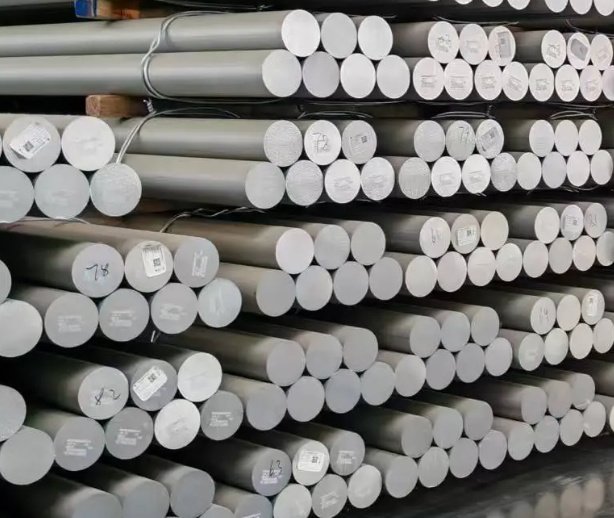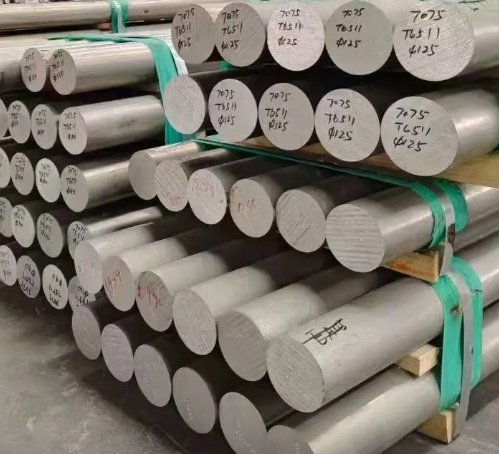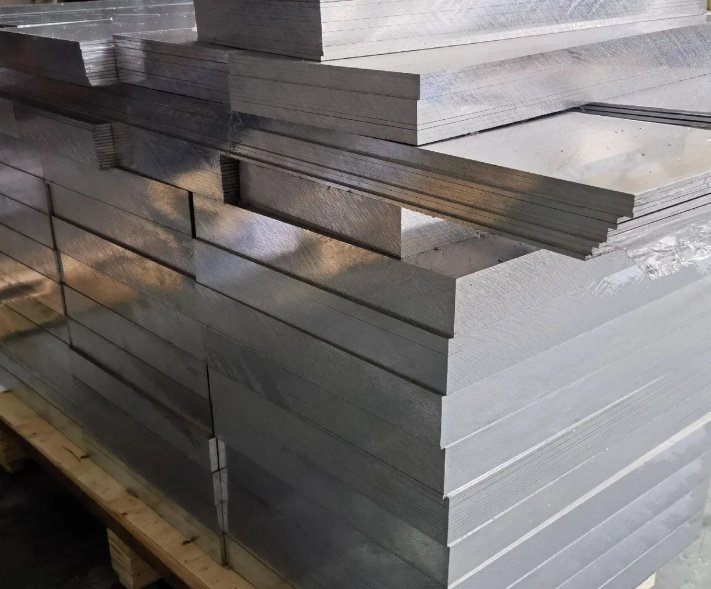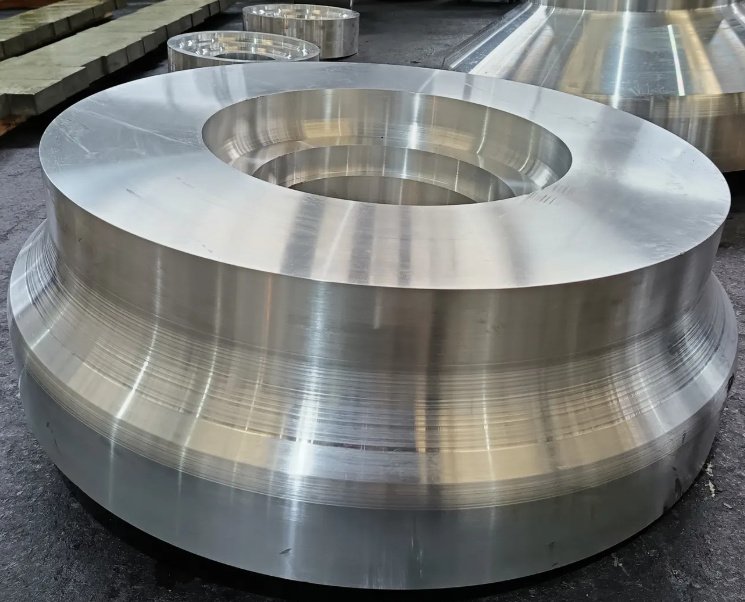
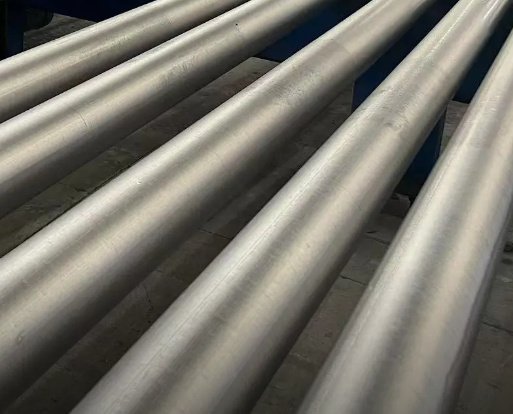
Aluminum 7022 is a high-strength 7xxx-series aluminum alloy commonly supplied as plate, block, bar and machined tooling stock. It is selected when engineers need a stronger aluminum material than 6xxx-series alloys, but still want good machinability, relatively low weight and reliable dimensional performance after stress relief.
This guide explains Aluminum 7022, al alloy 7022 and Al 7022 from an engineering, machining and purchasing perspective. It covers chemical composition, mechanical properties, temper selection, comparison with 7075, 7050, 6082 and 6061, plus practical issues such as distortion, corrosion protection, anodizing, CNC machining and inspection documents.
What Is 7022 Aluminum?
7022 aluminum is a heat-treatable aluminum-zinc-magnesium-copper alloy. In European designation, it is often associated with EN AW-7022 / AlZn5Mg3Cu. The alloy belongs to the 7xxx family, where zinc and magnesium provide high strength through precipitation hardening, while copper contributes to strength and hardness but reduces weldability and corrosion resistance compared with many 5xxx and 6xxx alloys.
In practical supply chains, Al 7022 is frequently purchased as precision plate, mold plate, structural block, machine components, automation parts, fixtures, jigs and high-strength mechanical elements. It is not usually chosen for highly welded structures; it is more often selected for machined parts where strength-to-weight ratio and dimensional stability matter.
Designation note for buyers and engineers
Names such as Aluminum 7022, al alloy 7022, Al 7022, EN AW-7022 and AlZn5Mg3Cu may refer to closely related material specifications. Exact chemistry limits, mechanical values and inspection requirements can vary by standard, mill practice, thickness and temper. Always confirm the governing specification on the material test certificate before releasing production drawings.
Typical Chemical Composition of Al Alloy 7022
The following composition ranges are typical reference values for 7022 aluminum. They should be used for preliminary material selection only; the purchase order and material certificate should define the accepted standard and actual analysis.
| Element | Typical Range or Maximum | Engineering Role |
|---|---|---|
| Zinc, Zn | Approximately 4.3–5.2% | Main strengthening element in 7xxx aluminum alloys |
| Magnesium, Mg | Approximately 2.6–3.7% | Forms strengthening precipitates with zinc |
| Copper, Cu | Approximately 0.5–1.0% | Improves strength and hardness, affects corrosion and weldability |
| Manganese, Mn | Usually controlled at low to moderate levels | Supports grain structure and mechanical consistency |
| Chromium, Cr | Usually controlled at low levels | May improve grain control and stress-corrosion behavior |
| Iron and Silicon | Usually limited impurities | Excessive levels can reduce toughness and finish quality |
| Aluminum, Al | Balance | Base metal providing low density and good machinability |
Mechanical Properties and Tempers
7022 aluminum is commonly supplied in artificially aged tempers such as T6 or stress-relieved plate conditions such as 7022-T651. Actual values depend heavily on product form, section thickness, quenching practice and aging process.
| Property | Typical Engineering Range | Comment |
|---|---|---|
| Density | About 2.80 g/cm³ | Roughly one-third the density of carbon steel |
| Elastic Modulus | About 70–72 GPa | Similar to many aluminum alloys; stiffness is lower than steel |
| Ultimate Tensile Strength | Approximately 480–560 MPa for common high-strength tempers | Thickness and temper dependent |
| Yield Strength | Approximately 420–500 MPa | Important for structural and clamping components |
| Elongation | Typically 7–12% | Lower ductility than many 6xxx alloys |
| Brinell Hardness | Often around 145–170 HB | Useful for wear-prone machined surfaces, but not a bearing alloy |
| Thermal Conductivity | Moderate for aluminum | Generally lower than 6061 or 6082 due to alloying level |
For design allowables, do not rely only on generic data sheets. Use the mill certificate, applicable standard and a conservative design factor. For aerospace, pressure equipment or safety-critical machinery, qualification testing may be required.
7022 Aluminum vs 7075, 7050, 6082 and 6061
The closest search intent around Aluminum 7022 is usually comparison: buyers want to know whether it can replace 7075, whether it is stronger than 6082, and whether it is suitable for CNC parts. The answer depends on strength, corrosion, availability, cost and post-machining stability.
| Alloy | Relative Strength | Machinability | Corrosion Resistance | Common Reason to Choose |
|---|---|---|---|---|
| 7022 | High | Very good | Moderate; protection recommended | High-strength machined plate, tooling, fixtures and mechanical parts |
| 7075 | Very high | Excellent | Moderate to limited, especially in T6 | Maximum strength where availability and specification support it |
| 7050 | Very high | Good to very good | Better stress-corrosion resistance than many 7075-T6 applications | Thick plate, aerospace components, improved toughness and SCC resistance |
| 6082 | Medium | Good | Good | General structural machining, welded frames, cost-effective parts |
| 6061 | Medium | Good | Good | Broad availability, welding, anodizing and general engineering |
If the design is strength-driven and the part is mostly machined from plate, 7022 can be a practical alternative to 7075 in some markets. If the design requires welding, outdoor corrosion resistance or decorative anodizing, 6082 or 6061 may be easier to specify. If the part is thick, fracture-critical or exposed to stress-corrosion conditions, 7050 or specially controlled 7xxx tempers may be more appropriate.
Machining Aluminum 7022: CNC, Cutting Tools and Distortion Control
Al 7022 is generally considered a good CNC machining alloy. Its hardness supports clean chip formation, stable dimensions and high-quality milled surfaces when tooling, workholding and roughing strategy are controlled. Compared with softer aluminum grades, it can produce more predictable edges and less built-up material on the cutter.
Recommended machining considerations include:
- Use sharp carbide end mills with polished flutes for aluminum.
- Apply high spindle speed, adequate chip evacuation and suitable coolant or mist lubrication.
- Avoid excessive tool pressure on thin walls because 7xxx aluminum has high strength but the same low elastic modulus family as other aluminum alloys.
- Use balanced roughing on both sides of plate when material removal is heavy.
- Leave a semi-finishing allowance, then allow the part to relax before final finishing where tight flatness is required.
- Specify stress-relieved temper when flatness and dimensional repeatability matter.
A common real engineering issue is distortion after asymmetric pocket machining. For example, removing more than 60–70% of the material from one side of a plate can release residual stress and cause bowing even when the alloy has high strength. In production, engineers often reduce scrap by combining stress-relieved plate, symmetrical roughing, intermediate inspection and final skim cuts.
Practical machining note for fixture plates
For large 7022 aluminum fixture plates, it is common to rough both faces, leave approximately 0.5–1.5 mm finishing stock depending on plate size, rest or thermally stabilize the part if tolerances are tight, and then finish critical datum surfaces. The exact allowance should be validated by trial cutting, part geometry and machine capability.
Corrosion Resistance, Anodizing and Surface Treatment
Like many high-strength 7xxx alloys, al alloy 7022 provides high mechanical strength but only moderate corrosion resistance compared with 5xxx and 6xxx aluminum alloys. In humid, marine or chemically aggressive environments, surface protection is recommended.
Common surface options include:
- Clear or colored anodizing for moderate protection and appearance control.
- Hard anodizing for improved surface hardness and wear resistance.
- Chemical conversion coating for electrical conductivity and paint adhesion.
- Primer and paint systems for outdoor or industrial environments.
- Sealing, isolation washers or coatings to reduce galvanic corrosion when assembled with steel, stainless steel or carbon fiber.
Decorative anodizing on high-zinc aluminum may show more color variation than on 6061 or 6082. If appearance is critical, approve a sample coupon from the same batch and surface preparation process before full production.
Welding, Forming and Heat Treatment Limits
7022 aluminum is not usually selected for welded fabrication. Fusion welding of high-strength 7xxx aluminum alloys can produce hot cracking, heat-affected-zone softening and reduced corrosion performance. If joining is required, engineers often consider mechanical fastening, inserts, adhesive bonding or redesigning the assembly around a more weldable alloy.
Cold forming is limited compared with softer aluminum grades. Bending thick 7022 plate in a high-strength temper can lead to cracking, especially across unfavorable grain direction or with a small bend radius. If forming is unavoidable, consult the supplier for minimum bend radius, temper options and grain direction control.
The heat treatment window for 7022 is controlled by solution treatment, quenching and artificial aging. End users should avoid uncontrolled thermal exposure after final machining because elevated temperatures can change hardness, residual stress and dimensional stability.
Applications of Aluminum 7022
Aluminum 7022 is best suited to applications where machined strength, low density and plate stability are more important than welding or maximum corrosion resistance.
- CNC machined structural plates and support blocks
- Automation machine frames and high-load brackets
- Jigs, fixtures, checking gauges and assembly tooling
- Mold plates and tooling components for plastics or composite processing
- Robotics arms, slides and lightweight mechanical members
- Transport equipment parts where weight reduction is valuable
- Precision components requiring better strength than 6061 or 6082
For buyers, the strongest reason to specify Al 7022 is often not just tensile strength. It is the combined value of strength, machinability, achievable flatness, weight reduction and reduced cycle time compared with harder-to-machine steel parts.
Procurement Checklist for 7022 Aluminum Plate and Bar
When purchasing Aluminum 7022, engineering and sourcing teams should define more than alloy name and size. The following checklist helps reduce quality disputes and machining risk.
| Purchase Item | What to Specify | Why It Matters |
|---|---|---|
| Alloy designation | 7022, EN AW-7022 or equivalent accepted designation | Prevents substitution with a lower-strength grade |
| Temper | T6, T651 or project-specific temper | Controls strength, hardness and residual stress level |
| Product form | Plate, block, bar or cut-to-size blank | Affects grain direction, tolerances and inspection |
| Thickness tolerance | Standard mill tolerance or precision-machined tolerance | Important for fixtures, molds and datum plates |
| Flatness | Commercial flatness or precision flatness requirement | Reduces machining allowance and rework |
| Ultrasonic testing | Required level if internal soundness is critical | Helps detect laminations or internal defects in thick plate |
| Documentation | Mill test certificate, heat number and standard reference | Supports traceability and engineering approval |
For critical components, request a material test certificate showing chemical composition, mechanical properties, temper, heat number and applicable standard. If the part will be heavily machined, ask whether the plate is stress relieved and whether both faces are suitable for precision machining.
When Should You Choose Al 7022?
Choose Aluminum 7022 when your project needs high strength, excellent machinability and lower weight than steel, especially for machined plates, tooling blocks and mechanical components. It is a strong candidate when 6061 or 6082 cannot meet load requirements, but a fully aerospace-controlled alloy such as 7050 or 7075 is not required or is less available in the needed size.
Consider another alloy if the part must be welded, exposed to severe corrosion without coating, bent after heat treatment, or qualified under a specification that does not recognize 7022. In those cases, 6061, 6082, 5083, 7075 or 7050 may be better depending on the operating conditions.
Reference Standards and Data Use
Useful references for engineers include EN aluminum alloy designation standards, wrought aluminum product standards, supplier data sheets and certified mill test reports. Typical sources used in professional material selection include EN 573 for chemical designation, EN 485 for sheet and plate properties, and producer-specific technical data for temper and thickness-dependent values.
The values in this article are suitable for early material comparison and purchasing discussions. Final design should be based on the actual standard, batch certificate, product thickness, heat treatment condition and, where necessary, prototype testing under the real load, temperature and corrosion environment.