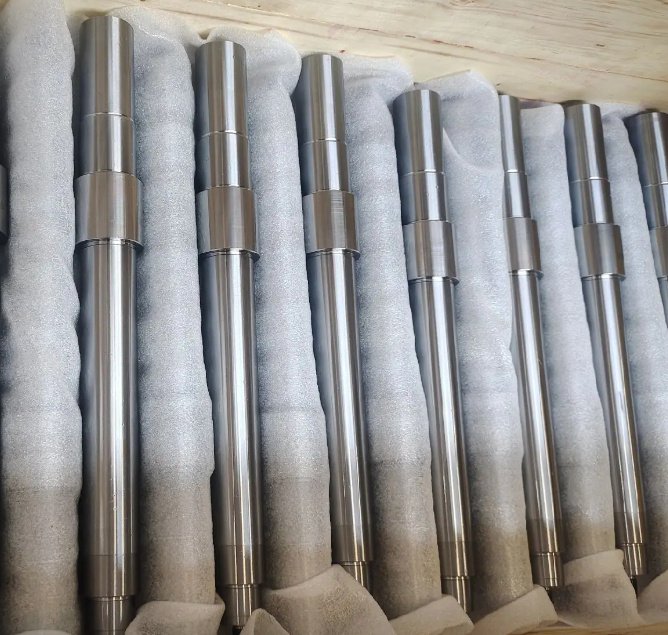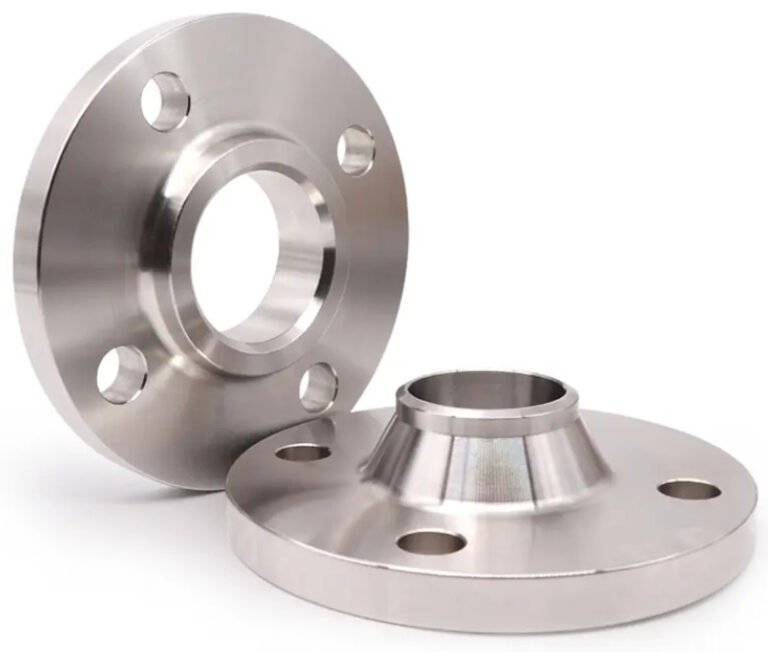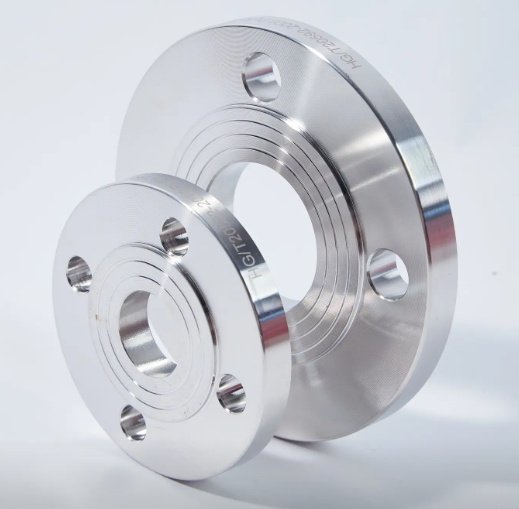
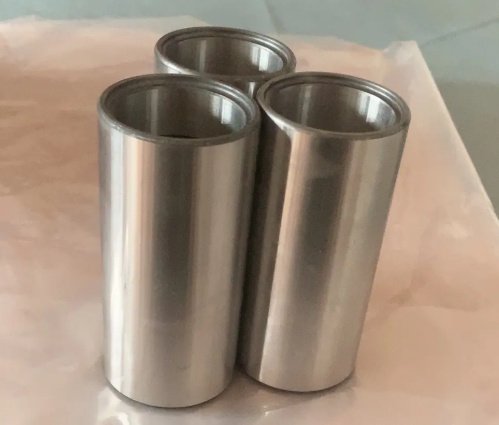
A steel bushing is a cylindrical bearing component used to support rotating, sliding, or oscillating shafts in mechanical assemblies. Compared with softer bearing materials, Steel Bushings are preferred when the application requires high compressive strength, impact resistance, dimensional stability, and long service life under severe operating conditions.
Steel bushings are widely used in construction equipment, agricultural machinery, hydraulic cylinders, mining systems, automotive suspensions, industrial presses, lifting devices, and heavy-duty pivot joints. They can be supplied as plain sleeve bushings, flanged bushings, grooved bushings, hardened bushings, case-hardened bushings, and custom CNC-machined components according to drawing or sample.
What Is a Steel Bushing?
A steel bushing is a replaceable wear sleeve installed between a shaft and a housing bore. Its main purpose is to reduce wear on expensive structural parts, maintain alignment, distribute load, and provide a controlled bearing surface. In many machines, replacing the bushing is significantly more economical than repairing the shaft housing or frame.
Depending on the load, lubrication method, speed, temperature, and mating shaft material, steel bushings may be manufactured from carbon steel, alloy steel, bearing steel, stainless steel, or hardened steel. Surface treatments such as carburizing, nitriding, black oxide, zinc plating, phosphate coating, and anti-rust oil can be applied to improve wear resistance or corrosion protection.
Key Features of Steel Bushings
- High load capacity: Suitable for heavy radial loads, shock loads, and low-speed oscillating motion.
- Excellent dimensional stability: Steel maintains shape better than many polymers under high pressure and elevated temperature.
- Wear resistance: Hardened or case-hardened steel bushings provide improved service life in abrasive environments.
- Machinability: Inner diameter, outer diameter, length, chamfer, oil groove, and lubrication hole can be machined to specific drawings.
- Cost-effective replacement: Protects shafts, pins, housings, and frames from direct wear.
- Compatibility: Can work with grease, oil lubrication, seals, hardened pins, and coated shafts.
Common Types of Steel Bushings
Plain Sleeve Steel Bushings
Plain sleeve steel bushings are the most common type. They are used where the shaft passes through a housing and requires a durable bearing surface. Typical applications include pivot arms, linkage joints, gearboxes, rollers, and hinge systems.
Flanged Steel Bushings
Flanged steel bushings include an integral flange that supports axial positioning and helps absorb thrust loads. They are commonly used in brackets, levers, suspension joints, and mounting points where side movement must be controlled.
Hardened Steel Bushings
Hardened steel bushings are heat-treated to increase surface hardness and wear resistance. For heavy equipment pivots, a surface hardness range of approximately 50–62 HRC is commonly specified, depending on steel grade and application requirements.
Grooved Steel Bushings
Grooved steel bushings include spiral, figure-eight, straight, or annular lubrication grooves. These grooves improve grease distribution and reduce the risk of dry contact in oscillating or slow-speed applications.
Custom Machined Steel Bushings
Custom steel bushings can be manufactured according to OEM drawings, 3D models, or sample parts. Typical custom features include cross holes, oil pockets, end chamfers, retaining grooves, stepped outer diameters, precision bores, and anti-rotation flats.
Steel Bushing Materials and Engineering Options
| Material Option | Typical Advantage | Common Use Case |
|---|---|---|
| Carbon Steel | Economical, good strength, easy to machine | General machinery, brackets, low-to-medium duty pivots |
| Alloy Steel | Higher toughness and hardenability | Excavators, loaders, cranes, mining equipment |
| Bearing Steel | High hardness and fatigue resistance after heat treatment | Precision wear sleeves, high-load rotating components |
| Stainless Steel | Improved corrosion resistance | Food machinery, marine equipment, chemical environments |
| Case-Hardened Steel | Hard wear surface with tough core | Shock-load pivots, linkage joints, hydraulic cylinder ends |
For severe-duty applications, material selection and heat treatment should be evaluated together. A very hard bushing may resist wear, but if the core toughness is insufficient, cracking can occur under impact loading. In many pivot systems, a case-hardened bushing paired with a hardened and ground pin offers a balanced solution.
Steel Bushings vs Bronze, Polymer, and Composite Bushings
Buyers often compare steel bushings with bronze bushings, plastic bushings, and composite self-lubricating bushings. The right choice depends on load, speed, lubrication, temperature, contamination, noise, cost, and maintenance strategy.
| Bushing Type | Strength | Wear Behavior | Lubrication Requirement | Best Application Fit |
|---|---|---|---|---|
| Steel Bushings | Very high | Excellent with proper hardness and lubrication | Usually required | Heavy loads, impact, dirty environments, structural pivots |
| Bronze Bushings | Medium to high | Good conformability and anti-seizure properties | Often required, some grades self-lubricating | Moderate speed, shafts needing softer bearing material |
| Polymer Bushings | Low to medium | Good corrosion resistance, low noise | Often low or no lubrication | Light-duty, clean, low-noise systems |
| Composite Bushings | Medium | Low friction with engineered liner | Can be maintenance-free | Compact assemblies, low-maintenance equipment |
In high-load pivot points, steel bushings typically outperform polymer bushings in compression strength and temperature stability. Bronze bushings may provide better emergency running behavior when lubrication is poor, but steel bushings are usually stronger and more suitable for shock-loaded applications.
When should engineers choose steel instead of bronze?
Steel is generally preferred when the joint experiences high static load, impact load, abrasive contamination, or deformation risk. Bronze is often preferred when anti-seizure behavior, shaft protection, or smoother sliding at moderate loads is more important. For many heavy-duty machines, steel bushings are selected because they better tolerate structural loads and harsh field conditions.
Manufacturing and Machining Capabilities
Precision steel bushings can be produced through sawing, turning, drilling, boring, reaming, grinding, honing, heat treatment, and surface finishing. The manufacturing route depends on tolerance requirements, order volume, material grade, and performance target.
- CNC turning: Controls outer diameter, inner diameter, length, grooves, chamfers, and shoulders.
- Deep hole drilling and boring: Used for long bushings or parts with tight bore alignment requirements.
- Heat treatment: Includes through hardening, carburizing, induction hardening, nitriding, tempering, and stress relieving.
- Grinding and honing: Improve bore accuracy, roundness, surface finish, and sliding performance.
- Lubrication features: Oil holes, grease grooves, cross-drilled holes, and internal channels can be machined for better lubricant flow.
- Surface protection: Options include black oxide, phosphate, zinc plating, nickel plating, anti-rust oil, and passivation for stainless steel.
For applications involving press-fit installation, the outside diameter tolerance and housing bore tolerance are critical. For rotating or sliding shaft contact, the inside diameter, surface roughness, and hardness directly influence friction, heat generation, and wear life.
Engineering Tolerances and Design Considerations
A steel bushing should not be specified only by nominal size. Engineers should define fit, clearance, hardness, surface finish, lubrication method, and mating shaft condition. Missing these details can cause premature wear, seizure, noise, or installation failure.
| Design Factor | Why It Matters | Typical Engineering Note |
|---|---|---|
| Interference Fit | Prevents bushing rotation in housing | Must account for housing material, wall thickness, and installation method |
| Running Clearance | Controls friction, lubrication film, and thermal expansion | Too tight may seize; too loose may cause impact wear and noise |
| Hardness | Improves wear resistance | Bushing and shaft hardness should be compatible |
| Surface Finish | Affects friction and lubricant retention | Ground or honed bores are used for precision sliding surfaces |
| Lubrication Groove | Distributes grease or oil across contact area | Especially important in slow oscillating joints |
| Edge Chamfer | Improves assembly and reduces edge loading | Chamfers help prevent shaving during press-fit installation |
Standards commonly referenced during bushing design and inspection include ISO 286 for limits and fits, ISO 3547 for plain bearings, ASTM material specifications, SAE material grades, and DIN tolerance systems. These references help ensure that steel bushings are compatible with international engineering practices.
Important drawing information for custom Steel Bushings
- Outer diameter, inner diameter, length, flange size, and chamfer dimensions
- Material grade or equivalent standard
- Heat treatment requirement and target hardness
- Surface finish requirement for bore and outside diameter
- Oil groove pattern, lubrication hole size, and hole position
- Fit requirement with housing and shaft
- Surface coating, corrosion protection, and packaging requirement
- Annual volume, batch quantity, and inspection level
Real Engineering Problems Solved by Steel Bushings
In field machinery, bushing failure often appears as excessive clearance, knocking noise, shaft scoring, grease leakage, oval housing wear, or misalignment. Many of these issues are caused by underspecified material hardness, insufficient lubrication grooves, improper press fit, or poor surface finish.
In one common heavy-pivot redesign scenario, a low-hardness sleeve bushing in a loader linkage was replaced with a case-hardened steel bushing using optimized internal grease grooves. The original component showed visible bore wear after approximately 600 operating hours. After increasing surface hardness, improving groove coverage, and controlling bore finish after heat treatment, the maintenance interval was extended to more than 1,500 operating hours under similar field conditions.
While actual service life depends on load spectrum, contamination, lubrication frequency, shaft condition, and installation accuracy, the example shows how heat treatment, lubrication design, and precision machining can create measurable improvement in wear performance.
Applications of Steel Bushings
- Excavator bucket pins, boom pivots, arm joints, and linkage systems
- Wheel loaders, graders, bulldozers, cranes, and lifting equipment
- Agricultural tractors, harvesters, seeders, balers, and tillage machines
- Hydraulic cylinder eye bushings and rod-end bearing sleeves
- Mining conveyors, crushers, screens, and heavy transport equipment
- Automotive suspension, chassis, steering, and drivetrain assemblies
- Industrial presses, forming machines, packaging machinery, and rollers
- Marine deck equipment, winches, hinges, and structural pivot assemblies
For dirty or abrasive environments, sealing and lubrication intervals should be considered during the design stage. A hardened steel bushing may still fail prematurely if abrasive particles enter the contact zone and the joint lacks grease flushing capability.
Quality Inspection and Performance Control
Reliable steel bushings require controlled inspection from raw material to finished part. Quality checks may include chemical composition verification, dimensional inspection, hardness testing, surface roughness measurement, concentricity inspection, roundness inspection, coating thickness measurement, and visual inspection for cracks, burrs, or heat-treatment distortion.
- Dimensional inspection: OD, ID, length, flange diameter, groove width, hole location, and chamfer size.
- Hardness testing: Rockwell or Vickers testing for hardened and case-hardened parts.
- Surface finish control: Important for reducing shaft wear and improving lubrication film stability.
- Material traceability: Mill certificates and heat numbers can be maintained for critical projects.
- Packaging protection: Anti-rust oil, VCI paper, plastic sleeves, cartons, or export wooden cases help prevent corrosion during storage and transport.
For OEM buyers and maintenance teams, inspection consistency is as important as price. A low-cost bushing with unstable bore size or uneven hardness can increase downtime, damage shafts, and raise total maintenance cost.
Typical causes of premature steel bushing failure
- Insufficient lubrication or blocked grease passage
- Incorrect clearance after press-fit installation
- Housing bore deformation or misalignment
- Soft mating shaft causing adhesive wear or scoring
- Improper heat treatment causing brittleness or low wear resistance
- Abrasive contamination entering the bearing interface
- Surface finish too rough for sliding contact
Buyer and Engineer Selection Checklist
Selecting the right steel bushing requires both purchasing and engineering input. Buyers may focus on lead time, price, supplier capacity, packaging, and repeatability, while engineers need to verify load, fit, material, hardness, lubrication, and inspection standards.
- Confirm whether the bushing is for rotation, oscillation, sliding, or static alignment.
- Define radial load, axial load, shock load, speed, temperature, and duty cycle.
- Check shaft hardness, shaft surface finish, and shaft coating compatibility.
- Specify whether the bushing requires through hardening, induction hardening, carburizing, or nitriding.
- Review housing material and bore tolerance before deciding press-fit allowance.
- Choose lubrication grooves and holes based on grease path and maintenance interval.
- Request inspection reports when the bushing is used in safety-critical or high-value equipment.
- Consider lifecycle cost instead of only unit price, especially for downtime-sensitive machinery.
A well-specified steel bushing can reduce shaft replacement frequency, improve equipment uptime, and simplify maintenance planning. For demanding assemblies, custom Steel Bushings designed around the actual load case often provide better value than generic catalog parts.
Steel Bushing Specifications Available
| Specification Item | Available Options |
|---|---|
| Product Forms | Sleeve bushing, flanged bushing, stepped bushing, grooved bushing, split bushing, custom machined bushing |
| Materials | Carbon steel, alloy steel, bearing steel, stainless steel, case-hardened steel |
| Heat Treatment | Through hardening, carburizing, nitriding, induction hardening, tempering, stress relieving |
| Machining Features | Oil grooves, grease holes, cross holes, chamfers, flanges, shoulders, retaining grooves, anti-rotation features |
| Surface Finish | Turned, ground, honed, polished, coated, black oxide, phosphate, zinc plated, nickel plated |
| Inspection | Dimensional report, hardness report, material certificate, surface roughness report, coating inspection |
| Supply Mode | Standard sizes, OEM drawing production, sample-based manufacturing, batch production |
Whether used as a replacement wear sleeve or a precision-machined OEM component, steel bushings provide a practical balance of strength, durability, manufacturability, and cost control. With the correct material, heat treatment, tolerance, and lubrication design, they are a dependable solution for high-load mechanical assemblies.